
Understanding Subscription Services vs. Annual Plans
In today’s world, subscription services have become ubiquitous. From streaming platforms to meal kits, they seem to be everywhere. While the convenience of these services is undeniable, they often come with a recurring monthly bill that can add up quickly. Alternatively, many services offer an annual plan that requires a larger, one-time payment but typically at a discounted rate. This article will explore the trade-offs between monthly subscriptions and annual plans, helping you make informed decisions that align with your financial goals.
The Case for Monthly Subscriptions
Monthly subscription plans can provide flexibility and ease, which are significant advantages for many consumers. Here’s a closer look at the benefits:
1. Flexibility
One of the most appealing aspects of monthly subscriptions is the level of flexibility they offer. If your financial situation changes, you can cancel these services without a long-term commitment. This is particularly useful for individuals trying to manage their budgets or those who might face unexpected expenses.
2. Lower Initial Cost
Monthly payments are generally lower than the upfront cost of an annual plan. This can make it easier to integrate new services into your budget without feeling a pinch. For example, a streaming service might cost $10 per month, which is more manageable than paying $120 upfront for a year.
3. Try Before You Commit
Monthly plans allow you to test a service without a significant investment. This is ideal if you’re unsure whether the service will meet your needs. For instance, you can try a meal kit delivery for a month and decide if it fits your lifestyle before committing to an annual subscription.
The Advantages of Annual Plans
On the other hand, annual plans can also provide several benefits that might make them more appealing depending on your financial situation.
1. Cost Savings
Many services offer discounts for paying annually, which can lead to significant savings over time. For example, if a monthly subscription costs $10, the annual cost might be reduced to $100, saving you $20 compared to paying monthly.
2. Less Frequent Billing
With an annual plan, you only deal with the payment once a year. This can reduce the mental load of managing multiple monthly bills and help you avoid late fees or missed payments, which can occur with monthly subscriptions.
3. Commitment to Usage
Paying for a year upfront can encourage you to use the service more consistently. When you have already made a significant investment, you may be more inclined to take advantage of the service, whether it’s watching movies, exercising, or cooking.
Evaluating Your Financial Situation
When deciding between monthly subscriptions and annual plans, it’s essential to assess your financial situation. Here are some factors to consider:
1. Budgeting
Look closely at your monthly budget. If you have limited cash flow, a monthly subscription may be more feasible. However, if you have some savings or a steady income, an annual plan might be more economical.
2. Cash Flow Stability
Consider your job stability and any other financial obligations. If you expect fluctuations in your income, opt for monthly payments to maintain flexibility.
3. Frequency of Use
Analyze how often you will use the service. If you plan to use it regularly and feel confident about your finances, an annual plan might make more sense.
Making the Decision: Key Considerations
Here are some practical steps to help you decide between monthly subscriptions and annual plans:
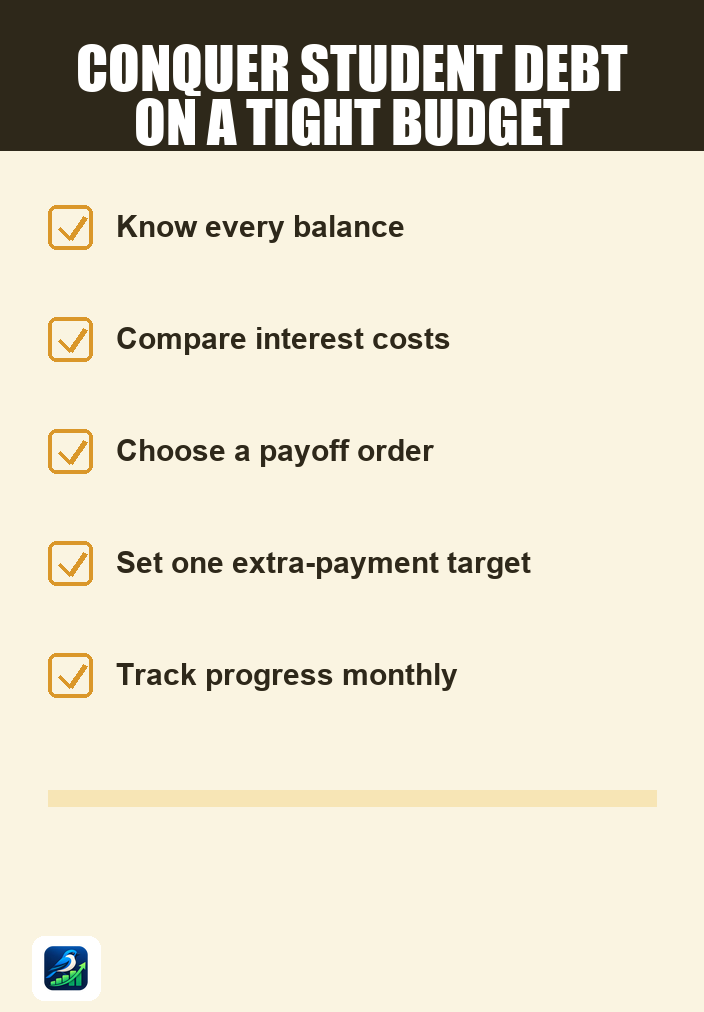
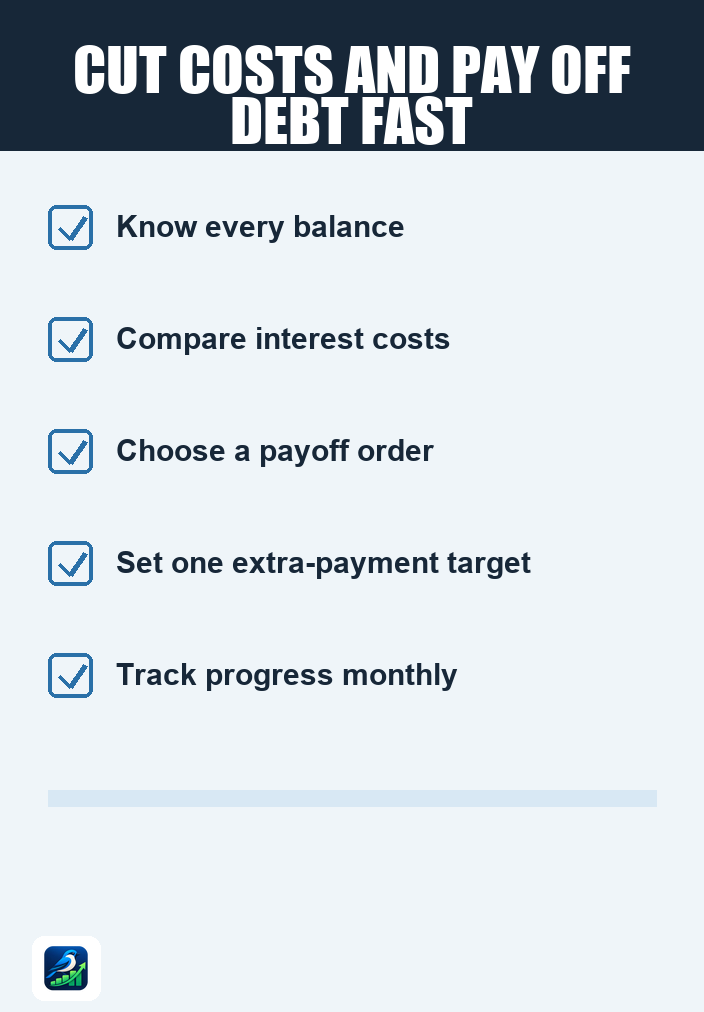
- List Your Subscriptions: Write down all your current subscriptions, their monthly costs, and any available annual options.
- Calculate the Total Cost: For each service, calculate the total cost for both monthly and annual plans to see which offers better value.
- Assess Usage: Think about how often you actually use each service. If it’s infrequent, a monthly plan might be more suitable.
- Check for Cancellation Policies: Understand the cancellation policies for both plans. Some services may have different rules that could affect your decision.
- Consider Your Financial Goals: Align your decision with your broader financial goals. If you’re focusing on debt repayment or savings, consider how each option fits into that plan.
Potential Drawbacks to Consider
While both options have their advantages, it’s crucial to recognize their potential drawbacks as well:
1. Monthly Subscription Drawbacks
- Higher Long-Term Cost: If you plan to use a service for an extended period, the total cost of monthly payments can exceed that of an annual plan.
- More Management Required: Having multiple monthly subscriptions may lead to a cluttered budget and the risk of forgetting payments.
2. Annual Plan Drawbacks
- Large Upfront Payment: The initial cost of an annual plan can be a burden if you’re working to eliminate debt or manage a tight budget.
- Less Flexibility: If you decide you no longer want the service, you may have to wait until the end of the term to cancel effectively.
Next Steps: Making Your Choice
Choosing between monthly subscriptions and annual plans is a personal decision that should align with your financial situation and goals. By assessing your budget, expected usage, and the potential savings, you can make a choice that helps you cut down on monthly bills while still enjoying the services you value. Take some time to evaluate your options, and don’t hesitate to adjust as your financial circumstances change.