
Understanding Debt Payoff Milestones
Debt payoff is a journey filled with milestones that can significantly impact your financial health. However, deciding whether to skip certain goals or stay on track can be a challenging dilemma. In this article, we’ll explore the importance of debt payoff milestones, the trade-offs associated with skipping them, and practical strategies to help you manage your debt effectively.
The Importance of Debt Payoff Milestones
Debt payoff milestones are significant achievements in your journey to financial freedom. They can include small victories, like paying off a single credit card, to larger accomplishments, such as becoming debt-free. Recognizing these milestones helps maintain motivation and provides a sense of accomplishment. Here are some key milestones to consider:
- First Payment Made: This marks the beginning of your journey.
- Paying Off a Small Debt: Eliminating a smaller debt can boost confidence.
- Reaching 50% Paid Off: This is a significant checkpoint, indicating you are halfway to your goal.
- Completely Debt-Free: The ultimate milestone, representing financial freedom.
Benefits of Celebrating Milestones
Taking the time to celebrate milestones can have several benefits:
- Boost Motivation: Acknowledging progress can inspire you to keep going.
- Build Confidence: Each milestone reached reinforces your ability to manage your finances.
- Clarify Objectives: Celebrating helps you recognize the importance of your goals.
Skipping Milestones: Pros and Cons
While it may be tempting to skip milestones, doing so can have both advantages and disadvantages. Here’s a closer look:
Pros of Skipping Milestones
- Focus on Larger Debts: You may prioritize paying off larger debts first, potentially saving on interest.
- Time Efficiency: Skipping smaller milestones can allow you to allocate more resources toward bigger goals.
- Reduced Complexity: Fewer milestones may mean less tracking and managing of smaller debts.
Cons of Skipping Milestones
- Loss of Motivation: Skipping milestones can lead to a lack of motivation and reward.
- Increased Stress: Not celebrating progress can make the debt journey feel overwhelming.
- Potential for Burnout: Without smaller wins, you may feel fatigued by the long-term nature of debt repayment.
Staying on Track: Strategies for Success
Staying on track with your debt payoff milestones can significantly enhance your chances of success. Here are some practical strategies to consider:
Create a Realistic Debt Payoff Plan
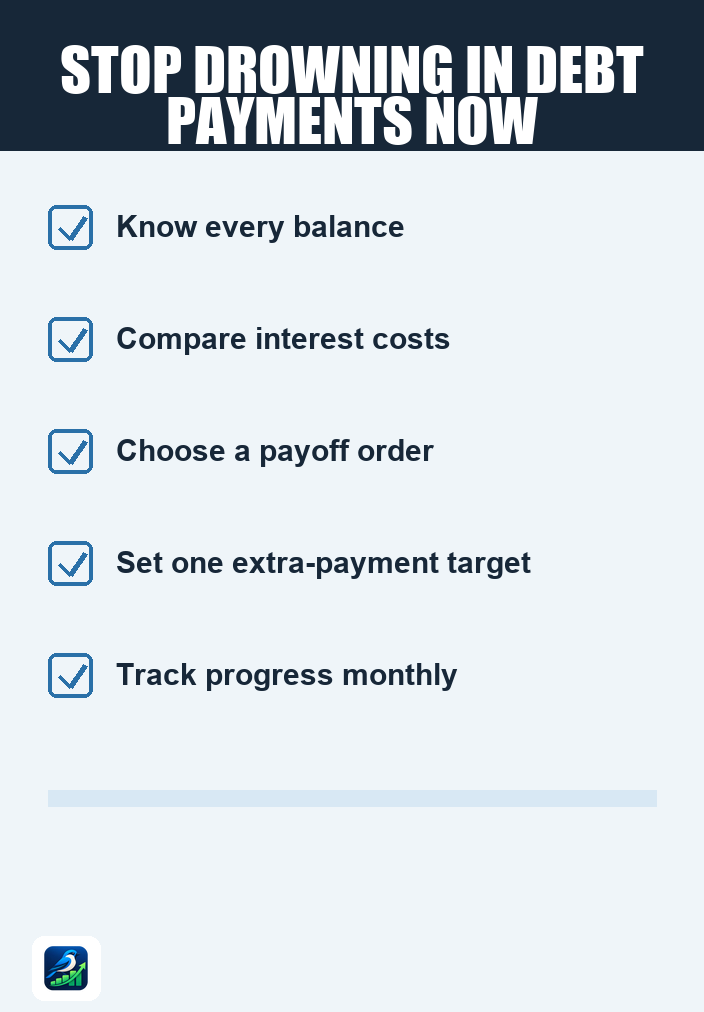
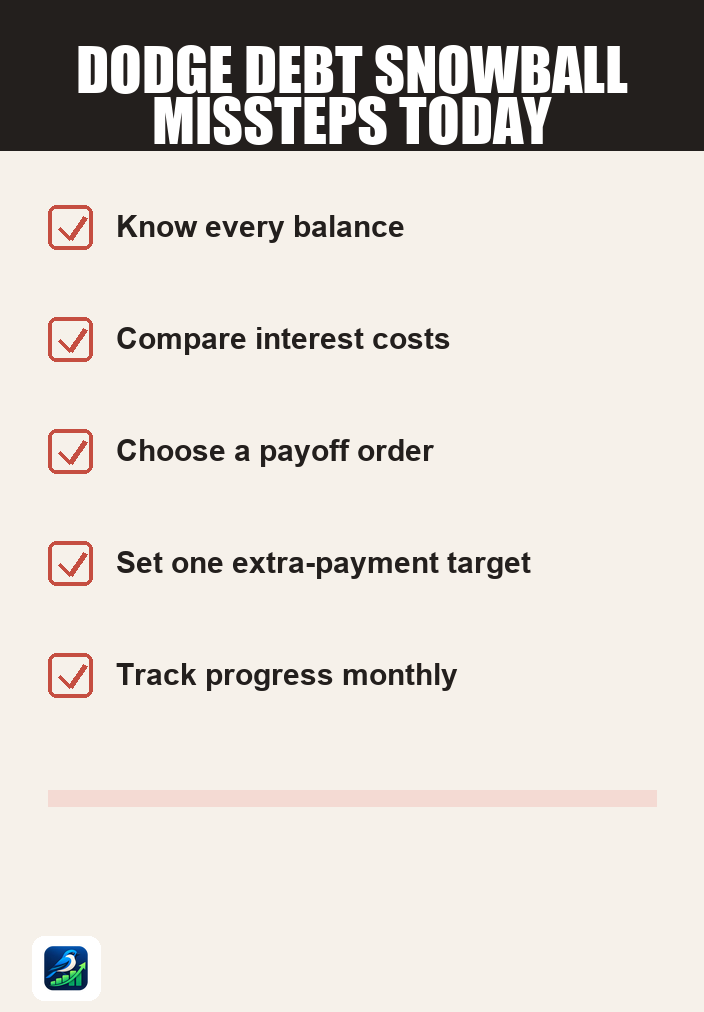
Start by assessing your total debt and creating a prioritized list. Consider using methods like the snowball or avalanche approaches:
- Snowball Method: Focus on paying off the smallest debts first for quick wins.
- Avalanche Method: Target debts with the highest interest rates to minimize costs.
Set Specific Milestones
Define clear, achievable milestones. Make them specific and time-bound. For example:
- Pay off one credit card by the end of the month.
- Reduce overall debt by 20% within six months.
Track Your Progress
Keep a record of your progress. Use spreadsheets, apps, or even a simple journal to document your achievements. Regularly reviewing your progress can help maintain motivation and accountability.
Reward Yourself
Set up a reward system for reaching milestones. This doesn’t have to be expensive; it could be as simple as treating yourself to a favorite meal or a small outing. Rewards can make the journey feel more enjoyable.
Alternatives to Skipping Milestones
If you’re considering skipping milestones, explore alternatives that may better serve your financial journey:
- Debt Consolidation: This involves combining multiple debts into a single loan with a potentially lower interest rate. However, it may extend your repayment period.
- Debt Management Plans: These plans can provide structured repayment through a credit counseling agency but may come with fees and a potential impact on credit scores.
- Debt Settlement: This involves negotiating with creditors to settle for less than owed. While it can reduce the total debt, it may negatively affect your credit score.
- Bankruptcy: This is a legal process that can discharge debts but comes with long-lasting effects on credit and financial standing.
Before pursuing any of these options, carefully consider the implications and consult with professionals to understand the potential consequences.
Final Thoughts and Next Steps
Debt payoff is a personal journey that requires both strategy and determination. While it may be tempting to skip milestones in favor of faster progress, consider the benefits of celebrating each step along the way. Staying organized, tracking progress, and rewarding yourself can enhance your motivation and commitment.
If you find yourself overwhelmed, don’t hesitate to seek professional guidance. Understanding your options and the trade-offs involved can help you make informed decisions about your debt repayment strategy.
Take a moment to reflect on your current debt situation, set clear milestones, and commit to your plan. Remember, every small victory brings you closer to financial freedom.