
Understanding Debt Payoff Milestones: The Importance of Small Wins vs. Major Goals
When it comes to tackling debt, the journey can feel overwhelming. However, breaking down the process into manageable milestones can make it less daunting. Understanding the difference between small wins and major goals is essential for anyone looking to reduce or eliminate consumer debt. This article will guide you through the significance of both types of milestones and offer practical advice to help you stay motivated on your financial journey.
What Are Debt Payoff Milestones?
Debt payoff milestones are specific points in your debt repayment journey that represent progress. These can include both small wins, like paying off a single credit card, and major goals, such as becoming debt-free. Recognizing these milestones can help you track your progress and maintain motivation throughout the repayment process.
Small Wins: The Building Blocks of Motivation
Small wins are achievements that may seem minor in the grand scheme but can have a significant impact on your motivation and mindset. Celebrating these victories can help keep you focused and engaged in your debt repayment plan. Here are a few examples of small wins:
- Paying off a small debt or a single credit card balance.
- Making an extra payment towards a loan or credit card.
- Reducing your monthly expenses to free up more money for debt repayment.
- Setting up automatic payments to ensure bills are paid on time.
- Creating a budget and sticking to it for a month.
Each of these achievements can boost your confidence and remind you that progress is possible. Additionally, the act of recognizing and celebrating small wins can create a positive feedback loop, where the motivation to continue making progress is amplified.
Major Goals: The Big Picture of Debt Freedom
While small wins are important, major goals serve as the overarching targets that guide your debt repayment plan. Major goals often involve larger accomplishments that require sustained effort and dedication. Here are some examples of major goals:
- Paying off a significant portion of your total debt, such as 50% or more.
- Achieving a specific debt-to-income ratio that makes you feel financially secure.
- Becoming entirely debt-free.
- Improving your credit score by a certain number of points.
These major goals provide a clear endpoint for your efforts and can help you maintain focus over the long term. While they may take longer to achieve than small wins, they are essential for creating a solid financial foundation.
Combining Small Wins and Major Goals for Success
To effectively manage your debt repayment journey, it’s essential to strike a balance between celebrating small wins and working toward major goals. Here’s how to combine both:
- Set Specific Goals: Define what your major goals are, such as paying off a specific debt or achieving a certain credit score. Make sure these goals are realistic and measurable.
- Break Down Major Goals: Divide your major goals into smaller, actionable steps. For example, if your goal is to pay off a credit card, identify how much you need to pay each month to reach that goal within a set timeframe.
- Track Your Progress: Keep a record of both small wins and major goals. Use a spreadsheet, app, or even a simple notebook to monitor your achievements.
- Celebrate Small Wins: Acknowledge your progress by treating yourself when you reach a small milestone. This could be as simple as taking a day off or enjoying a favorite meal.
- Stay Flexible: Life can be unpredictable, and you may need to adjust your goals or timelines. Be open to reassessing your plan and making changes as needed.
Understanding Debt Relief Options
As you work towards your debt payoff milestones, you may encounter various debt relief options, each with its pros and cons. Here’s a brief overview:
Debt Consolidation
Debt consolidation involves combining multiple debts into a single loan, often at a lower interest rate. This can simplify payments but may extend the repayment period and lead to more interest paid over time.
Debt Management
A debt management plan (DMP) typically involves working with a credit counseling agency to negotiate more favorable terms with creditors. While it can help lower interest rates, it may also require closing accounts, which can impact your credit score.
Debt Settlement
Debt settlement involves negotiating with creditors to pay a lower amount than what is owed. While this can reduce overall debt, it can also have a negative impact on your credit score and may not be suitable for everyone.
Bankruptcy
Bankruptcy is a legal process that can provide relief from debts but comes with long-term consequences, including a significant impact on your credit score. It’s crucial to consult with a legal or financial professional to understand the implications.
Each of these options has trade-offs, and what works for one person may not work for another. Evaluate your individual situation and consider seeking guidance from a financial professional before making decisions.
Next Steps: Taking Action Toward Your Debt Payoff Goals
Now that you understand the importance of debt payoff milestones, here are some practical next steps to get started:
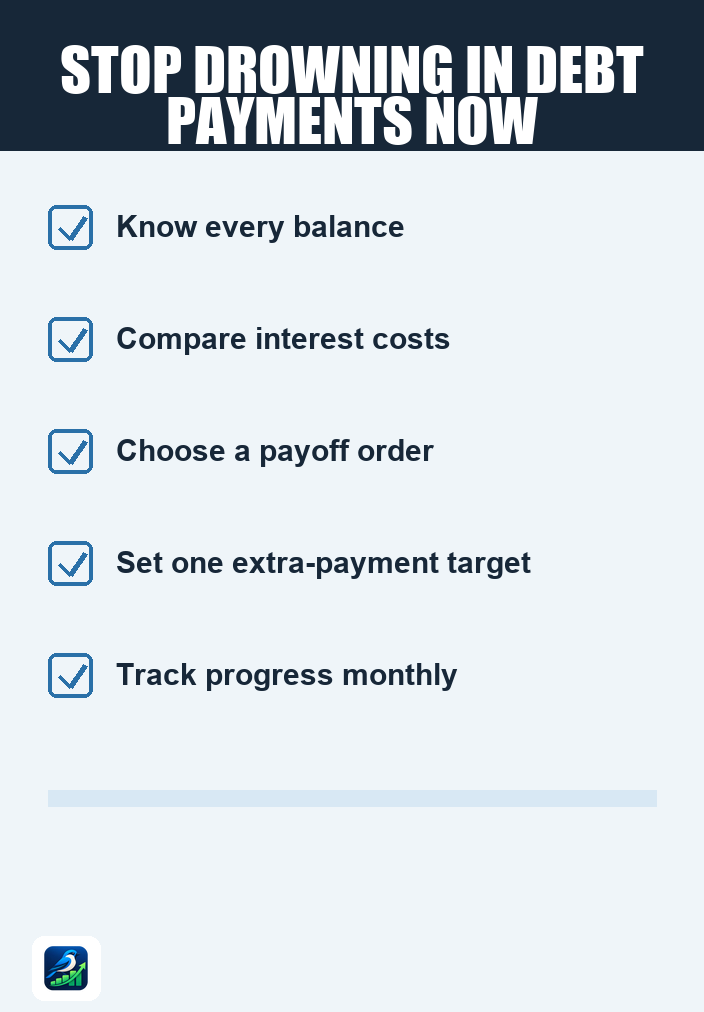
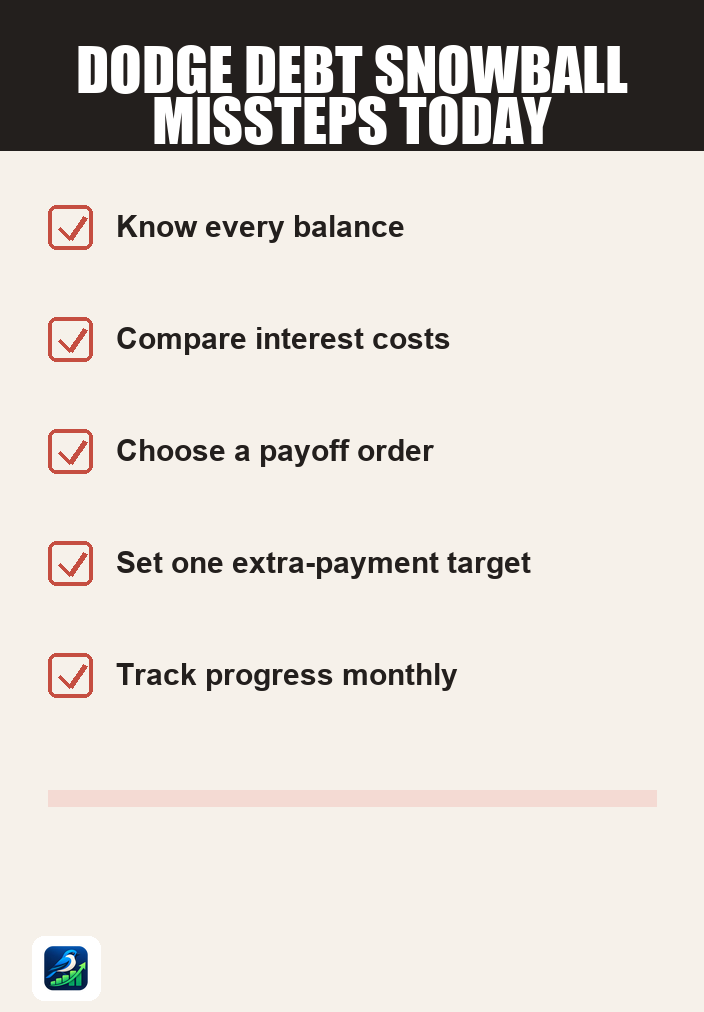
- Assess your current debt situation by listing all debts, interest rates, and minimum payments.
- Set both small and major goals that are realistic and achievable.
- Create a budget that allocates funds toward debt repayment while allowing for essential living expenses.
- Track your progress regularly, celebrating small wins along the way.
- Explore debt relief options if you’re struggling to make progress, but do your research and understand the implications.
Remember, the journey to debt freedom is a marathon, not a sprint. By recognizing both small wins and major goals, you can create a balanced approach that keeps you motivated and moving forward.