
Understanding Debt Relief Fees: Debt Settlement vs. Debt Management Plans
When it comes to consumer debt, understanding your options can be daunting. Two popular methods for managing debt are debt settlement and debt management plans (DMPs). Both aim to relieve financial stress, but they operate differently and come with distinct costs. In this article, we’ll break down the fees associated with each option and help you determine which might be more affordable for your situation.
What is Debt Settlement?
Debt settlement involves negotiating with creditors to settle your debts for less than the total amount owed. Typically, this process can be managed by a debt settlement company that charges fees for their services.
How Debt Settlement Works
In a typical debt settlement scenario, you stop making payments on your debts and instead save money in a dedicated account. Once you have enough saved, the settlement company will negotiate with your creditors to accept a lower lump sum payment. This can lead to significant savings, but it’s important to understand the drawbacks. Creditors may not agree to settlements, and your credit score can suffer during the process.
Costs Involved with Debt Settlement
- Service Fees: Debt settlement companies often charge a percentage of the total debt enrolled, which can range from 15% to 25%. This fee is typically charged only when a debt is settled.
- Retainer Fees: Some companies may ask for an upfront retainer fee before beginning negotiations.
- Potential Tax Implications: If a debt is settled for less than what you owe, the forgiven amount may be considered taxable income.
What is a Debt Management Plan (DMP)?
A debt management plan is a structured repayment plan typically facilitated by a nonprofit credit counseling agency. Instead of negotiating settlements, a DMP consolidates your debts into a single monthly payment, which is then distributed to your creditors.
How Debt Management Plans Work
In a DMP, you make monthly payments to the credit counseling agency, which then pays your creditors on your behalf. This can help simplify your financial situation and often comes with lower interest rates and waived fees from creditors.
Costs Involved with Debt Management Plans
- Setup Fees: Many agencies charge an initial setup fee, which typically ranges from $50 to $100.
- Monthly Fees: You can expect to pay a monthly maintenance fee, usually between $25 and $50, depending on the agency.
- Credit Counseling Fees: Some agencies may charge for the counseling sessions that precede the DMP.
Comparing Affordability: Debt Settlement vs. Debt Management Plans
Deciding between debt settlement and a debt management plan often comes down to your financial situation and long-term goals. Here are some comparisons to consider:
Cost Comparison
In terms of upfront costs, debt settlement may seem more appealing due to the absence of required monthly payments during the negotiation phase. However, the service fees can add up significantly if you have a large amount of debt. In contrast, a DMP involves consistent monthly payments but often with lower overall fees and potential interest savings.
Duration of the Process
Debt settlement can take several months to years, depending on how quickly you can save for settlements and how willing your creditors are to negotiate. A DMP typically requires a commitment that can last from three to five years, depending on your total debt and payment capacity.
Impact on Credit Score
Debt settlement can have a more immediate and negative impact on your credit score, especially if creditors mark your accounts as “settled” or “charged off.” A DMP, on the other hand, may help improve your credit score over time as you make timely payments and reduce your overall debt load.
Which Option is Right for You?
Ultimately, the best choice depends on your individual financial situation. Here are a few factors to consider:
- Amount of Debt: If you have a substantial amount of debt, debt settlement may provide a quicker resolution, but at a higher cost. For smaller amounts, a DMP may be more manageable.
- Ability to Make Payments: If you can afford to make regular payments, a DMP can help you manage your debt without damaging your credit as severely.
- Your Credit Score: Consider how each option will impact your credit score. If maintaining a good credit score is important to you, a DMP might be the safer choice.
Next Steps
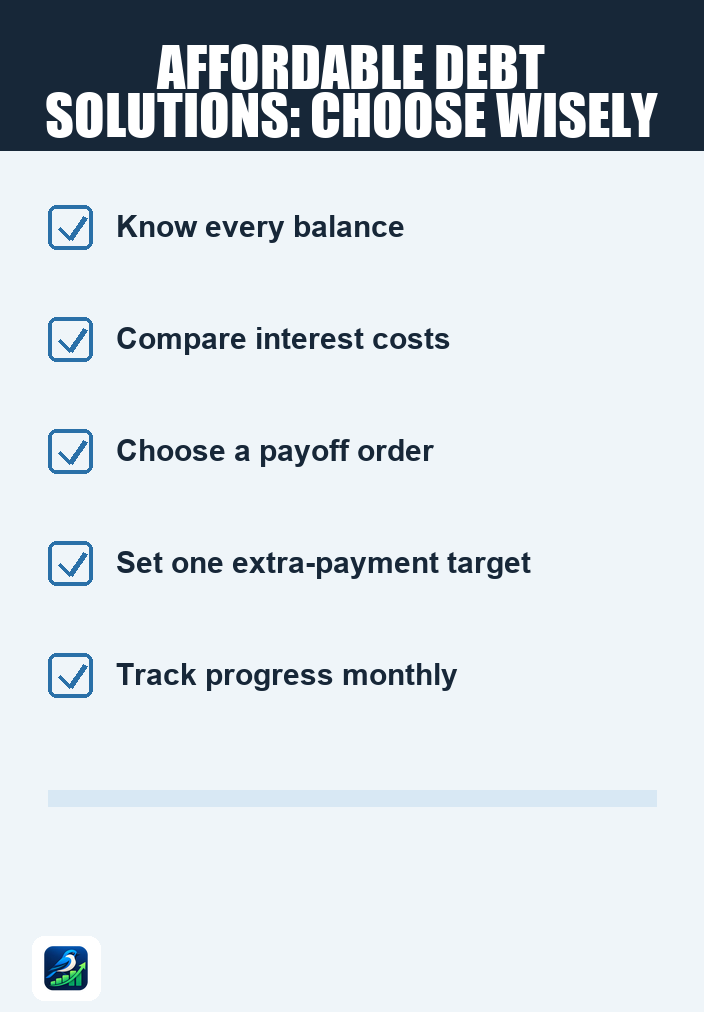
Before making a decision, consider the following steps:
- Assess Your Financial Situation: Review your debts, income, and expenses to determine what you can afford.
- Research Options: Look into various debt settlement companies and credit counseling agencies to understand their fees and services.
- Consult a Professional: If you’re unsure which route to take, consider speaking with a financial advisor or a credit counselor for guidance tailored to your situation.
Understanding the costs and implications of debt settlement and debt management plans can empower you to make informed decisions. Whatever path you choose, ensure it aligns with your financial goals and ability to pay.



















