
Understanding Old Debts and Collections
When it comes to old debts and collections, many individuals find themselves in a challenging situation. You might be grappling with the question of whether to address these debts or let them linger. The decision can be daunting, especially if you’re not sure what options are available to you. This article aims to guide you through the process of deciding when and how to handle old debts and collections.
Recognizing the Importance of Addressing Debts
Ignoring old debts can lead to a range of complications, including damaged credit scores, legal actions, and ongoing stress. It’s essential to recognize that while old debts may seem like a distant memory, they can still have an impact on your financial health.
Addressing debts can often provide relief, and in many cases, it can lead to improved financial standing in the long run. However, the timing and method of addressing these debts can vary based on individual circumstances.
Identifying Your Old Debts
The first step in deciding whether to address old debts is to identify what you owe. This involves gathering all relevant information regarding your debts. Here are a few steps to help you get started:
- Check Your Credit Report: Obtain a copy of your credit report to see a complete list of outstanding debts.
- List Your Debts: Organize your debts by type, amount, and status (active, in collection, etc.).
- Contact Creditors: If needed, contact your creditors to confirm the details of your debts.
By having a clear picture of your debts, you can better decide on your next steps.
Evaluating Your Options
Once you know what debts you have, it’s time to evaluate your options for addressing them. Here are some common approaches:
1. Debt Consolidation
Debt consolidation involves combining multiple debts into a single loan with a potentially lower interest rate. This can simplify your payments and may reduce the overall amount you pay in interest. However, it’s important to consider that:
- Consolidating doesn’t eliminate debt; it merely restructures it.
- Your credit score may be impacted based on how you manage the new loan.
2. Debt Management Plans
A debt management plan (DMP) is a structured repayment plan typically offered by credit counseling agencies. This can help you pay off your debts over time. Consider the following:
- DMPs may come with fees or require you to close credit accounts.
- It may take several years to complete the plan.
3. Debt Settlement
Debt settlement involves negotiating with creditors to pay a reduced amount of your total debt. While this can provide immediate relief, there are significant trade-offs:
- Settled debts may still negatively affect your credit score.
- Creditors may require that you miss payments, which can also harm your credit.
4. Bankruptcy
Bankruptcy is a legal process that can help individuals eliminate or reorganize their debts. It’s important to consider that:
- Bankruptcy can have long-lasting effects on your credit report.
- The process can be complicated and often requires legal assistance.
When to Consider Addressing Old Debts
Not all old debts require immediate action. Here are some criteria to consider when deciding whether to address them:
1. Age of the Debt
Debts typically have a statute of limitations, after which creditors may no longer be able to sue you for the debt. This period varies by state and debt type. If your debt is nearing this limit, you may decide to wait it out.
2. Impact on Credit Score
Consider how addressing the debt will impact your credit score. Sometimes, paying off a collection account can improve your score, while other times, settling may do more harm than good.
3. Financial Situation
Evaluate your current financial situation. If you have disposable income, addressing old debts might be a priority. However, if you’re struggling to meet basic needs, it may be best to focus on essentials first.
4. Emotional Toll
Consider the emotional impact of your debts. For many, resolving old debts can lead to significant stress relief. Weigh this against the potential financial implications of addressing or ignoring the debts.
Taking Action: Practical Steps
Once you’ve evaluated your options and circumstances, it’s time to take action. Here are practical steps to consider:
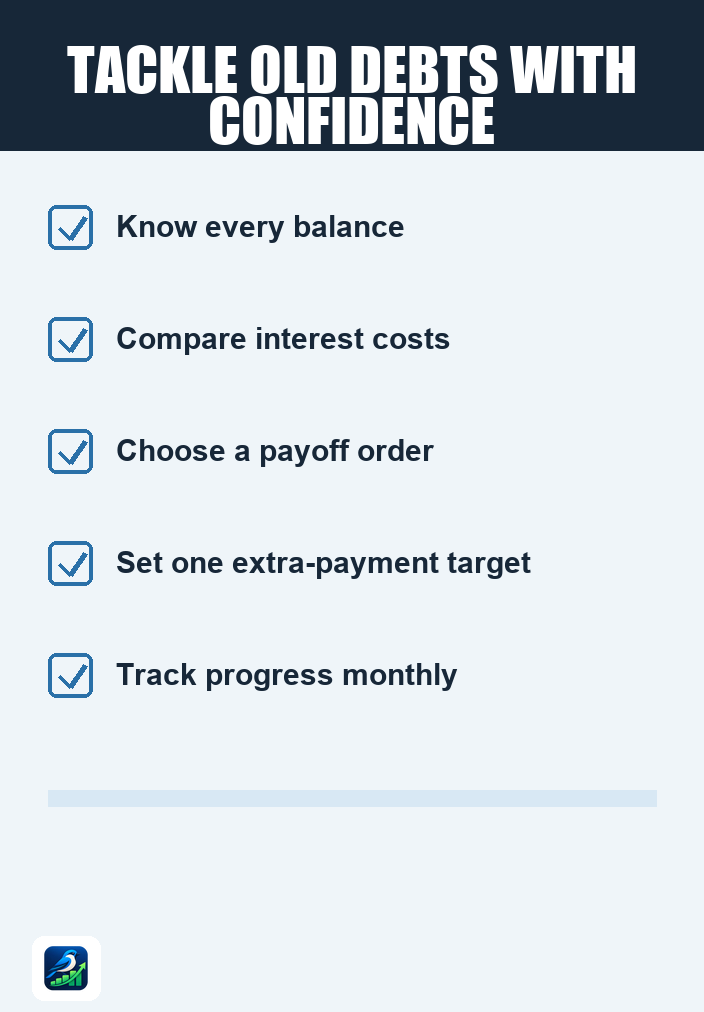
- Prioritize Your Debts: Focus on high-interest debts or those that are nearing the statute of limitations.
- Set a Budget: Create a budget that allows for debt repayment while still covering your essential expenses.
- Negotiate with Creditors: If you choose to settle, communicate directly with your creditors to discuss possible payment plans or settlements.
- Seek Professional Guidance: If you feel overwhelmed, consider consulting with a credit counselor or financial advisor.
Next Steps
Deciding when to address old debts and collections is a personal journey that requires careful consideration of your unique situation. By understanding your options and weighing the trade-offs, you can make informed decisions that lead to better financial health. Remember, taking the first step is often the hardest part, but with the right approach, you can navigate your debts effectively.
As you move forward, focus on organizing your debts, evaluating your options, and taking actionable steps toward resolution. Your financial future is worth the effort.



















