
Understanding Debt Settlement: Is It Right for You?
Debt settlement can be a viable option for individuals facing overwhelming consumer debt, but it’s not suitable for everyone. Before deciding if debt settlement is the right path for you, it’s essential to understand what it entails, its potential benefits, and the trade-offs involved. This article will guide you through the essential first steps in making that determination.
What is Debt Settlement?
Debt settlement involves negotiating with creditors to reduce the total amount of debt owed. This usually happens when a debtor or a debt settlement company proposes to pay a lump sum that is less than the total balance owed, in exchange for the creditor forgiving the remaining debt. It’s important to clarify that debt settlement is distinct from other debt relief options such as debt consolidation, debt management, and bankruptcy.
- Debt Consolidation: Involves combining multiple debts into a single loan, often with a lower interest rate.
- Debt Management: A structured plan typically offered by a credit counseling agency to pay off debts over time.
- Bankruptcy: A legal process that can discharge or reorganize debts but has long-term credit implications.
Assessing Your Financial Situation
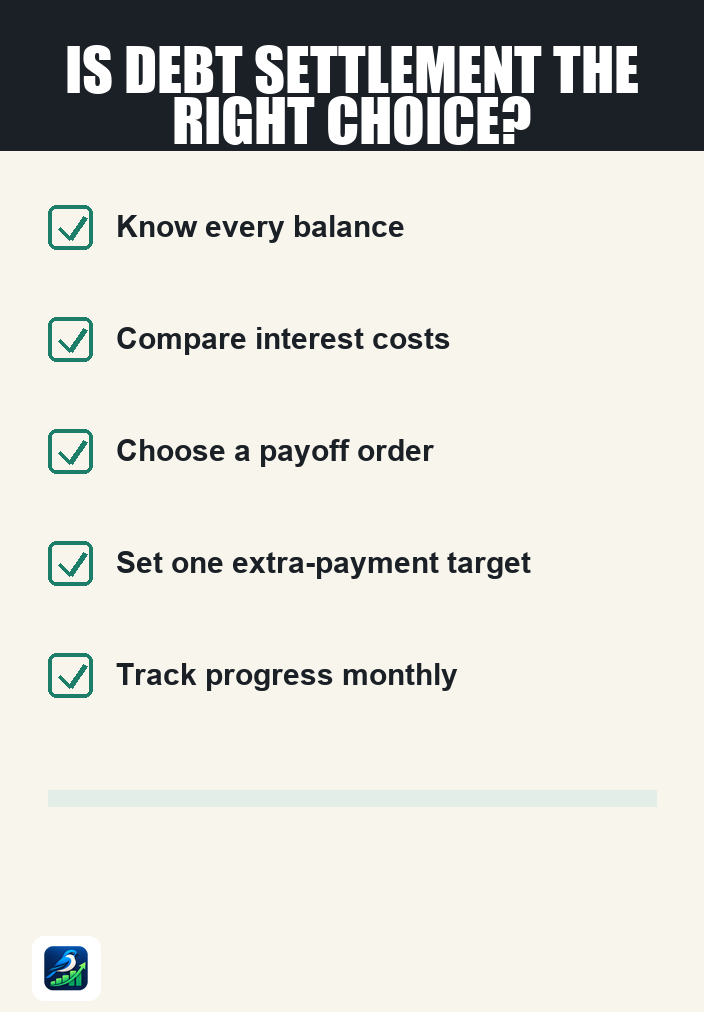
Before diving into debt settlement, it’s crucial to assess your financial situation. This includes evaluating your total debt, income, expenses, and overall financial health. Here are some practical steps:
- List Your Debts: Write down all your debts, including the total amount owed and interest rates.
- Calculate Your Monthly Budget: Determine your monthly income and expenses to see how much you can afford to pay toward your debts.
- Identify Financial Trends: Look at your spending habits to understand where you might cut back to allocate more toward debt repayment.
Understanding your financial landscape will help you make informed decisions about whether debt settlement is the right choice for you.
Evaluating Debt Settlement’s Pros and Cons
Like any financial strategy, debt settlement comes with its advantages and disadvantages. Here’s a breakdown to help you weigh your options:
Pros of Debt Settlement
- Potentially Lower Total Debt: You may be able to settle for less than what you owe.
- Faster Resolution: Debt settlement can lead to quicker resolution compared to long-term repayment plans.
- Reduced Stress: Settling debts can relieve financial pressure and improve mental well-being.
Cons of Debt Settlement
- Impact on Credit Score: Settling debts can negatively affect your credit score, at least in the short term.
- Tax Implications: Any forgiven debt may be considered taxable income, which could increase your tax burden.
- Fees and Costs: Some debt settlement companies charge fees, which might add to your total costs.
- Potential for Lawsuits: Creditors may still pursue legal action against you while negotiations are ongoing.
Is Debt Settlement Right for You? Key Considerations
So, how do you determine if debt settlement is the right move for you? Consider the following criteria:
- Amount of Debt: Debt settlement is generally more effective for larger debts, typically $7,500 or more.
- Financial Hardship: If you’re facing financial difficulties and cannot maintain regular payments, settlement may be a consideration.
- Willingness to Negotiate: Be prepared to actively negotiate with creditors or work with a settlement company.
- Long-Term Financial Goals: Evaluate how debt settlement fits into your broader financial strategy.
Taking the time to reflect on these criteria can significantly influence your decision-making process.
Alternatives to Debt Settlement
If debt settlement doesn’t seem to be the right fit, consider these alternatives:
- Debt Management Plans: Work with a credit counseling agency to create a structured repayment plan.
- Debt Consolidation Loans: Combine debts into a single loan with a lower interest rate for easier management.
- Bankruptcy: Explore bankruptcy if your debts are insurmountable. Consult with a legal professional to understand the implications.
Next Steps
After considering all the information, if you feel that debt settlement might be a viable option for you, take the following next steps:
- Research Debt Settlement Companies: If you choose to use a company, look for reputable firms with transparent practices.
- Consult with a Financial Advisor: Consider speaking with a professional who can provide tailored advice based on your circumstances.
- Stay Informed: Continue to educate yourself about your financial options and rights as a consumer.
Ultimately, the decision to pursue debt settlement should be made with careful consideration of your financial situation and long-term goals. By taking these essential first steps, you’ll be better equipped to make an informed choice.



















