
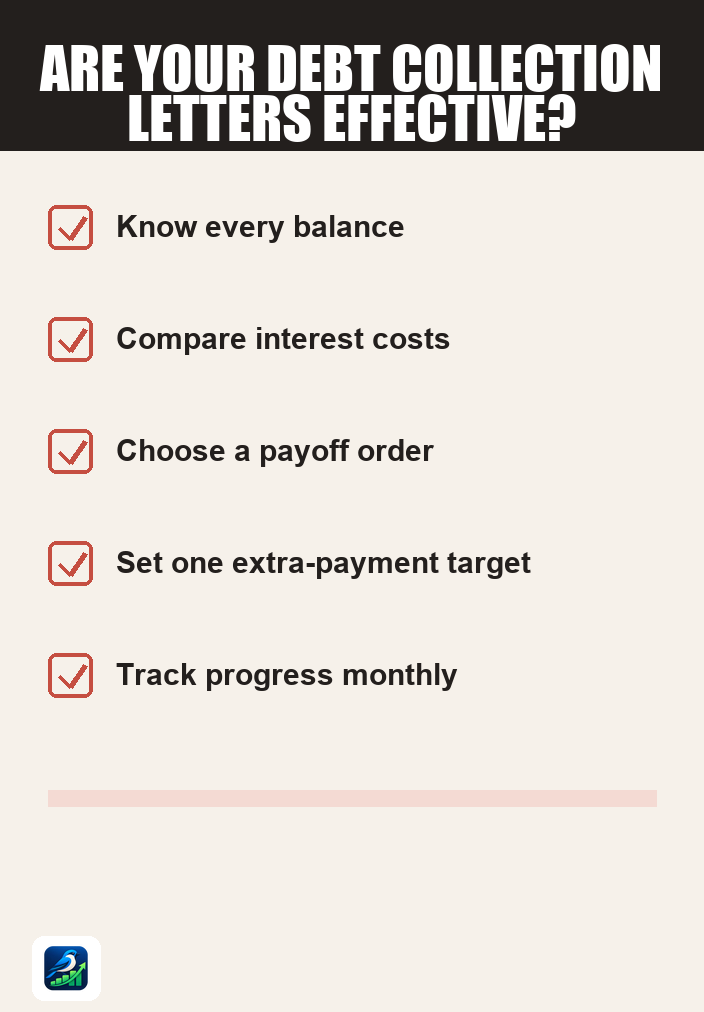
Understanding the Role of Debt Collection Letters
Debt collection letters serve as formal communications from creditors or collection agencies seeking to recover unpaid debts. When facing debt, understanding the effectiveness of these letters is crucial for managing your financial situation. Evaluating their effectiveness can help you decide on your next steps, whether it’s paying off the debt, negotiating a settlement, or seeking professional help.
Key Questions to Evaluate Debt Collection Letters
1. Is the Letter Clear and Concise?
A well-structured debt collection letter should clearly state the amount owed, the original creditor, and any relevant account numbers. If the letter is confusing or lacks essential details, it may not be effective at conveying the necessary information. A clear letter allows you to quickly assess your situation and understand your obligations.
2. Does It Comply with Legal Requirements?
Debt collection letters must adhere to specific legal guidelines, such as those outlined in the Fair Debt Collection Practices Act (FDCPA). This includes providing the name of the creditor, the amount owed, and a notice of your rights. If a letter fails to include these elements, it may be deemed invalid, potentially giving you grounds to dispute the debt.
3. Does It Provide Information About Disputing the Debt?
Effective debt collection letters should inform you of your right to dispute the debt. Look for language that clearly states you can request verification of the debt within a specific timeframe. This is crucial if you believe the debt is inaccurate or if you’re unsure about its legitimacy.
4. Are Payment Options Clearly Outlined?
The letter should present multiple options for resolving the debt, whether through full payment, a payment plan, or a settlement offer. Evaluate if the options are reasonable and if they fit your financial situation. A lack of flexibility may indicate a more aggressive collection strategy that could lead to further stress.
5. What Tone Does the Letter Convey?
The tone of the letter can provide insight into the collector’s approach. A threatening or aggressive tone may be a red flag and can indicate that they are not following best practices. Conversely, a professional and respectful tone may suggest a more constructive approach to resolving the debt.
6. Are There Any Additional Fees or Costs Listed?
Some debt collection letters include information about additional fees or interest that may accrue if the debt remains unpaid. Scrutinize these details to understand the total amount you may owe. If the letter doesn’t specify any additional costs, it may be more manageable to pay off the original debt.
7. Is There a Deadline for Response?
Effective letters often include a deadline for responding to the debt collector. This creates a sense of urgency and encourages timely communication. If no deadline is provided, you may feel less pressure to act, which could prolong your financial difficulties.
8. How Does This Letter Fit Into Your Overall Debt Strategy?
Consider how this letter impacts your broader financial goals. If you are already working on consolidating or settling debts, evaluate whether responding to this letter aligns with those efforts. If it disrupts your strategy, you may need to reconsider how you approach the situation.
Steps to Take After Receiving a Debt Collection Letter
1. Assess Your Financial Situation
Before taking action, take a moment to review your overall financial health. Determine if you can pay off the debt immediately or if you need to explore other options such as negotiations or consolidations.
2. Verify the Debt
If you have any doubts about the legitimacy of the debt, request verification from the collector. This can help clarify whether the debt is valid and if it belongs to you.
3. Consider Your Options
Explore your options based on the letter’s contents. Whether it’s paying the full amount, negotiating a settlement, or enrolling in a debt management program, weigh the pros and cons of each approach. Remember to consider the implications for your credit score and future borrowing ability.
4. Respond Promptly
If you choose to dispute the debt or negotiate, respond to the letter within the specified timeframe. Prompt communication can prevent further action from the collector and demonstrate your willingness to resolve the issue.
5. Seek Professional Guidance If Needed
If the situation feels overwhelming, consider seeking advice from a financial counselor or a debt relief professional. They can offer insights tailored to your specific situation and help you navigate your options effectively.
Next Steps for Managing Your Debt
Understanding the effectiveness of debt collection letters is an essential part of managing your financial obligations. By asking the right questions, you can make informed decisions that align with your overall debt strategy. Take the time to assess your options, and don’t hesitate to reach out for professional assistance if necessary. Your financial well-being is paramount, and being proactive can lead you toward a healthier financial future.



















