
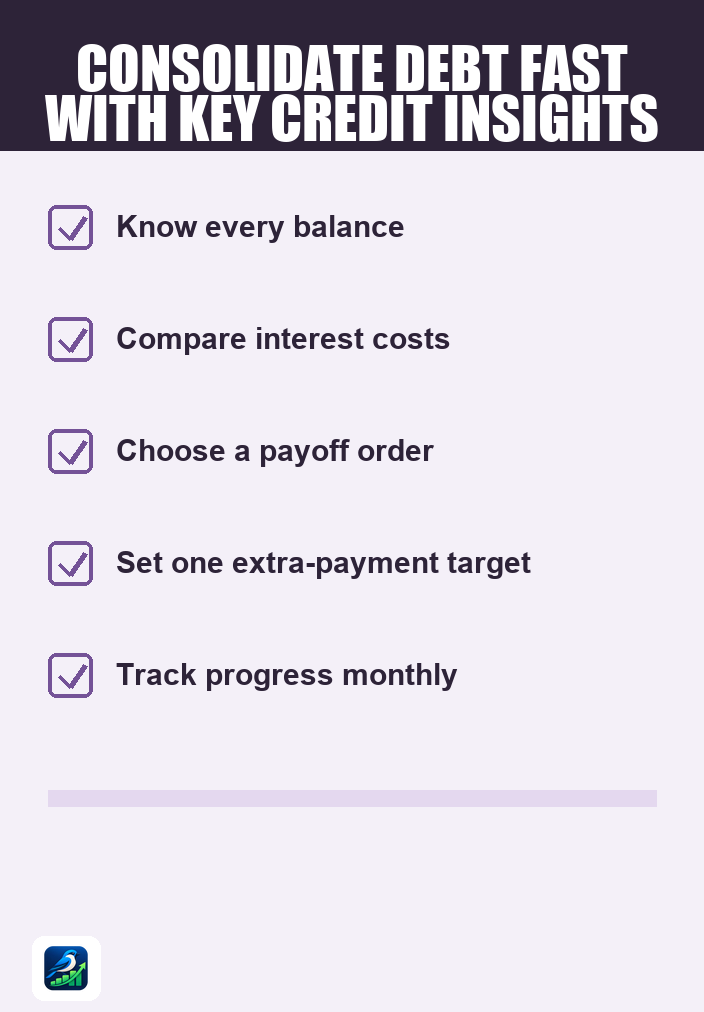
Understanding Debt Consolidation: Key Credit Requirements
Debt consolidation can be a strategic move for individuals looking to manage their financial obligations more effectively. By combining multiple debts into a single loan, you can simplify payments and potentially lower your interest rate. However, before diving into the process, it’s essential to understand the key credit requirements that may affect your options.
What is Debt Consolidation?
At its core, debt consolidation is the process of merging several debts into one loan. This can be accomplished through personal loans, balance transfer credit cards, or home equity loans. The primary goal is to make repayment easier and possibly reduce overall interest costs.
Key Credit Requirements for Debt Consolidation
While debt consolidation can offer benefits, it also comes with specific credit requirements. Here are the main factors you should consider:
1. Credit Score
Your credit score is one of the most critical factors lenders evaluate when you apply for a debt consolidation loan. A higher credit score typically opens up more options and better terms. Here’s what you should know:
- Good Credit (700+): You’re likely to qualify for the best interest rates and terms.
- Fair Credit (580-699): You may still qualify, but expect higher rates.
- Poor Credit (<580): Options may be limited, and you might face high-interest rates.
2. Debt-to-Income Ratio
Your debt-to-income (DTI) ratio measures how much of your monthly income goes toward debt payments. Lenders often use this ratio to assess your ability to manage additional debt:
- Ideal DTI: A DTI of 36% or lower is generally considered good. This means that no more than 36% of your monthly income should go towards debt payments.
- High DTI: A DTI above 43% may make it challenging to qualify for a consolidation loan.
3. Employment and Income Stability
Lenders want assurance that you have a steady income to make loan payments. Here’s what you should consider:
- Employment History: A stable job history (typically two years or more) can strengthen your application.
- Income Verification: Be prepared to provide proof of income, such as pay stubs or tax returns.
4. Existing Debts
The total amount of your existing debts plays a crucial role in the consolidation process. Lenders will look at:
- Type of Debt: Secured debts (like mortgages) vs. unsecured debts (like credit cards). Unsecured debts are often prioritized in consolidation.
- Amount of Debt: High levels of debt may raise red flags for lenders.
Types of Debt Consolidation Options
Once you understand the credit requirements, you can explore various debt consolidation options. Each option has its advantages and disadvantages:
1. Personal Loans
Personal loans can be an effective way to consolidate debt. They typically offer fixed interest rates and predictable monthly payments.
- Pros: Fixed terms, potential for lower interest rates.
- Cons: Requires good credit; may have fees.
2. Balance Transfer Credit Cards
These cards allow you to transfer existing credit card balances onto a new card, often with a promotional low or zero-interest rate for an introductory period.
- Pros: Can provide significant savings on interest.
- Cons: High-interest rates after the promotional period; requires good credit.
3. Home Equity Loans or Lines of Credit
If you own a home, you might consider leveraging its equity to consolidate debt. However, this option puts your home at risk.
- Pros: Generally lower interest rates; potential tax benefits.
- Cons: Risk of foreclosure; fees may apply.
4. Debt Management Plans
Through a credit counseling agency, you can enroll in a debt management plan (DMP) that consolidates your payments into one monthly amount.
- Pros: Professional guidance; often lower interest rates.
- Cons: May require closing credit accounts; potential impact on credit score.
Understanding Trade-offs and Alternatives
While debt consolidation can provide relief, it’s essential to understand the potential trade-offs. If your credit is not in good shape, consolidation may lead to higher interest rates or limited options. Additionally, consolidating doesn’t address the root causes of debt, such as spending habits.
Consider the following alternatives:
- Debt Settlement: Negotiating with creditors to pay less than owed. This can significantly impact your credit score and is not suitable for everyone.
- Bankruptcy: A legal process that can discharge debts but comes with long-term credit implications. It should only be considered as a last resort.
Next Steps
If you’re considering debt consolidation, start by assessing your credit score and DTI ratio. Gather your financial information and research your options. Consulting with a financial advisor or credit counselor can provide personalized guidance based on your unique situation. Remember, understanding your financial landscape is crucial to making informed decisions about your debt.



















