
Understanding Your Debt Situation
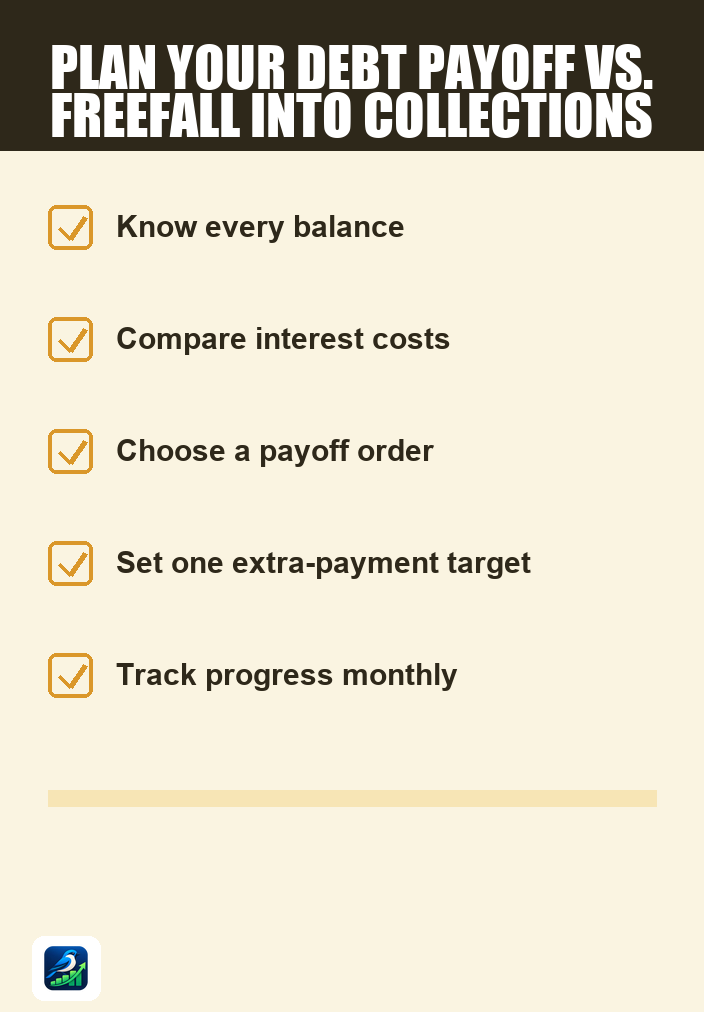
Creating a monthly debt payoff plan starts with a clear understanding of your current financial situation. Before diving into strategies, gather all your financial documents. List out your debts, including credit cards, personal loans, student loans, and any other obligations.
For each debt, note the total amount owed, the minimum monthly payment, and the interest rate. This will give you a comprehensive view of what you are dealing with, helping you prioritize which debts to tackle first.
Setting Your Financial Goals
Once you have a clear picture of your debts, it’s time to set specific financial goals. Ask yourself the following questions:
- What is the total amount of debt I want to pay off?
- In what time frame do I want to be debt-free?
- How much can I realistically allocate each month toward debt repayment?
Your goals should be achievable and aligned with your overall financial situation. Setting clear, measurable goals can help keep you motivated as you work through your plan.
Choosing a Debt Payoff Strategy
There are several strategies you can choose from to pay off your debt. Below are two popular methods:
The Debt Snowball Method
This approach focuses on paying off your smallest debts first. Here’s how it works:
- List your debts from smallest to largest.
- Make minimum payments on all debts except for the smallest one.
- Put any extra money toward the smallest debt until it’s paid off.
- Once that debt is gone, move to the next smallest debt, repeating the process.
The psychological boost of paying off smaller debts quickly can motivate you to keep going.
The Debt Avalanche Method
This strategy focuses on paying off debts with the highest interest rates first. Here’s how to implement it:
- List your debts from highest to lowest interest rate.
- Make minimum payments on all debts except for the one with the highest interest rate.
- Put any extra money toward the high-interest debt until it’s paid off.
- Once that debt is cleared, move on to the next highest interest debt.
The debt avalanche method can save you more money in interest over time, but it may take longer to see progress in terms of the number of debts paid off.
Creating a Monthly Budget
A well-structured budget is essential for any debt payoff plan. Start by identifying your monthly income and all necessary expenses, such as rent, utilities, groceries, and transportation. Here’s a simple format to follow:
- Calculate your total monthly income.
- List all fixed expenses.
- Estimate variable expenses, such as groceries or entertainment.
- Subtract total expenses from your income to find out how much you have left for debt repayment.
Consider using budgeting tools or apps to help organize your finances and track spending. This clarity will help you find areas where you can cut back and allocate more toward your debts.
Staying Motivated and Adjusting Your Plan
Staying motivated can be a challenge, especially if progress seems slow. Here are some tips to keep your spirits high:
- Track your progress regularly. Seeing how much you have paid off can be encouraging.
- Celebrate small victories. Reward yourself when you pay off a debt or reach a milestone in your plan.
- Stay connected with supportive friends or family members who understand your goals.
Your financial situation may change, and it’s essential to revisit and adjust your plan as necessary. If you encounter unexpected expenses or a drop in income, reassess your budget and make adjustments to your debt repayment strategy.
Exploring Additional Options: Consolidation and Settlement
In some cases, debt consolidation or settlement may be options worth considering. Here’s a brief overview of each:
Debt Consolidation
This involves combining multiple debts into one single loan, often with a lower interest rate. This can simplify payments and sometimes reduce the total monthly payment. However, it’s essential to evaluate the terms carefully, as extending the repayment term can lead to paying more interest overall.
Debt Settlement
This involves negotiating with creditors to settle a debt for less than what is owed. While it can provide relief, it can also negatively impact your credit score, and there’s no guarantee that creditors will agree to settle. It’s often best to consult with a professional if considering this route.
Keep in mind that both options come with their own risks and potential downsides. Make sure to weigh these against your current situation and consider seeking professional advice if you’re unsure.
Next Steps
Creating a monthly debt payoff plan that works for you requires understanding your financial situation, setting clear goals, selecting a repayment strategy, and maintaining a budget. Remember to stay flexible and adjust your plan as necessary.
Start by listing your debts and expenses, then choose a payoff strategy that resonates with you. Don’t hesitate to seek professional advice if you feel overwhelmed. With persistence and commitment, you can take meaningful steps toward regaining control of your finances.



















