
Understanding Collection Accounts on Your Credit Report
Collection accounts can be a significant concern for anyone trying to manage their finances. When a debt goes unpaid for an extended period, creditors may hand over the account to a collection agency, which can negatively impact your credit report and score. Understanding how to effectively handle these accounts can help you regain control over your financial situation and work towards a healthier credit profile.
Recognizing Collection Accounts
Before diving into strategies for handling collection accounts, it’s essential to understand what they are. A collection account appears on your credit report when a creditor has deemed your account as severely delinquent and has transferred it to a collection agency. This typically occurs after several months of missed payments.
Impact on Your Credit Score
Collection accounts can significantly lower your credit score. The severity of the impact often depends on your overall credit history and the age of the collection account. Newer accounts may hurt your score more than older accounts. However, simply having a collection account can be a red flag for potential lenders.
Steps to Handle Collection Accounts
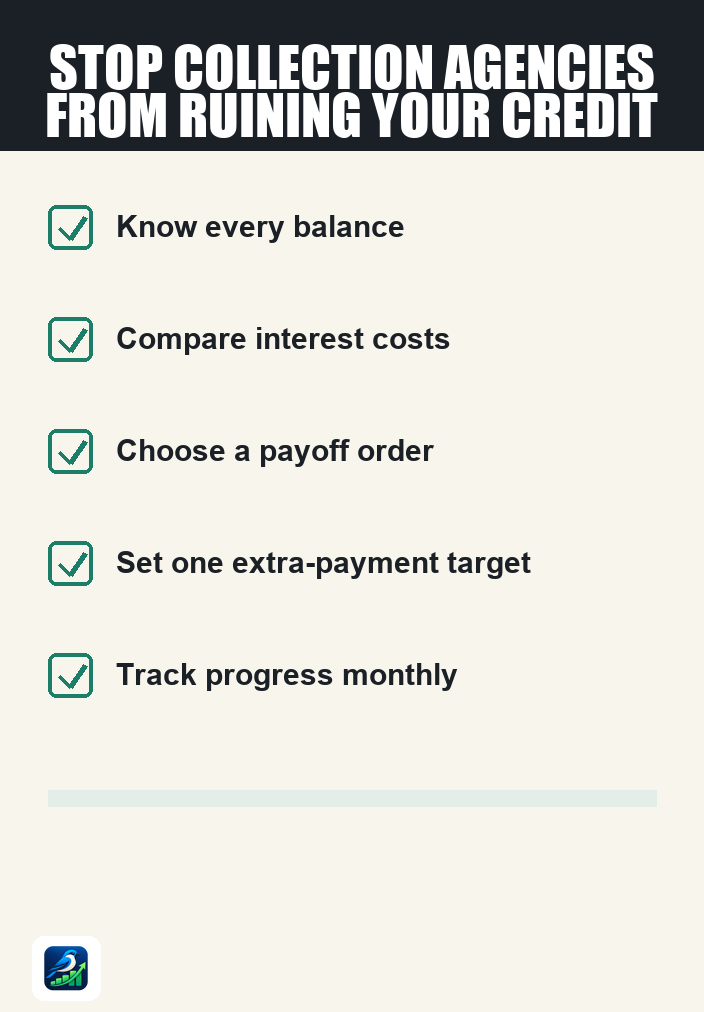
When dealing with collection accounts, a structured approach can help you address them effectively. Here’s a step-by-step guide to help you navigate this process.
1. Obtain Your Credit Report
The first step in managing collection accounts is to obtain a current copy of your credit report. You are entitled to one free credit report annually from each of the major credit reporting agencies. Review your report carefully to identify any collection accounts listed.
2. Verify the Debt
Once you’ve identified a collection account, it’s crucial to verify the debt. Make sure the amount, creditor, and other details are accurate. If there are discrepancies, you have the right to dispute the account with the credit reporting agency. Providing evidence supporting your claim can help in removing inaccuracies.
3. Understand Your Options
After verifying the debt, consider your options for handling it:
- Paying the Debt: If you can afford to pay the debt, doing so may be the simplest option. Some creditors may even agree to a “pay-for-delete” arrangement, where they remove the collection account from your credit report upon receiving payment.
- Negotiating a Settlement: If you cannot pay the full amount, consider negotiating a settlement. This means you offer to pay a portion of the debt in exchange for the creditor agreeing to forgive the rest. Be aware that settling a debt can still impact your credit score.
- Payment Plans: Some collection agencies might be open to setting up a payment plan. This allows you to pay off the debt in manageable installments over time.
- Debt Management Plans: If you have multiple debts, you might consider enrolling in a debt management plan through a credit counseling agency. This can help you consolidate payments and potentially negotiate lower interest rates.
- Debt Consolidation: Another option is debt consolidation, where you take out a new loan to pay off existing debts. This can simplify your payments but may not directly affect your collection accounts.
- Bankruptcy: As a last resort, bankruptcy may be an option to consider. However, it has significant long-term consequences and should only be pursued after careful consideration.
4. Communicate with Creditors
If you decide to negotiate or discuss options with the collection agency, ensure to communicate clearly and keep records of all interactions. Always get agreements in writing before making any payments. This will protect you and provide evidence in case of future disputes.
5. Monitor Your Credit Report
After settling or paying off a collection account, continue to monitor your credit report. Ensure that the collection account is marked as “paid” or “settled” according to your agreement. If the account remains open or inaccurately reported, dispute it with the credit reporting agencies.
Consider the Trade-offs
While handling collection accounts, it’s essential to be aware of the trade-offs involved in each option. For instance, paying a collection account may help improve your standing with creditors but could still leave a mark on your credit report. On the other hand, negotiating a settlement can relieve some financial pressure but may not have the same positive impact on your credit score.
Understanding the Long-Term Effects
Collection accounts can remain on your credit report for up to seven years, affecting your creditworthiness during this time. However, their impact may lessen as time goes on, especially if you maintain good credit behavior moving forward. Building a positive credit history after resolving collection accounts is crucial for future financial opportunities.
When to Seek Professional Help
If you find yourself overwhelmed by collection accounts or unable to manage your debt effectively, consider seeking help from a certified credit counselor. They can provide personalized guidance tailored to your situation and help you explore options you may not have considered.
Next Steps
Dealing with collection accounts can be challenging, but taking actionable steps can help you regain control over your finances. Start by reviewing your credit report, verifying debts, and exploring your options. Remember to communicate effectively with creditors and monitor your credit report regularly. With patience and persistence, you can work towards a more stable financial future.



















