Understanding Debt Settlement Risks
Debt settlement can be an appealing option for individuals struggling with overwhelming financial obligations. However, like any financial strategy, it comes with a unique set of risks and challenges. Understanding these risks is crucial to making informed decisions about your financial future. This article will help you identify and mitigate the potential risks associated with debt settlement.
What is Debt Settlement?
Debt settlement involves negotiating with creditors to reduce the total amount of debt you owe. Typically, this process is handled by a third-party company that specializes in this area. They will negotiate on your behalf, aiming to settle your debts for less than the full amount. While this can offer a path to financial relief, it’s essential to recognize that it may not be suitable for everyone.
Identifying the Major Risks of Debt Settlement
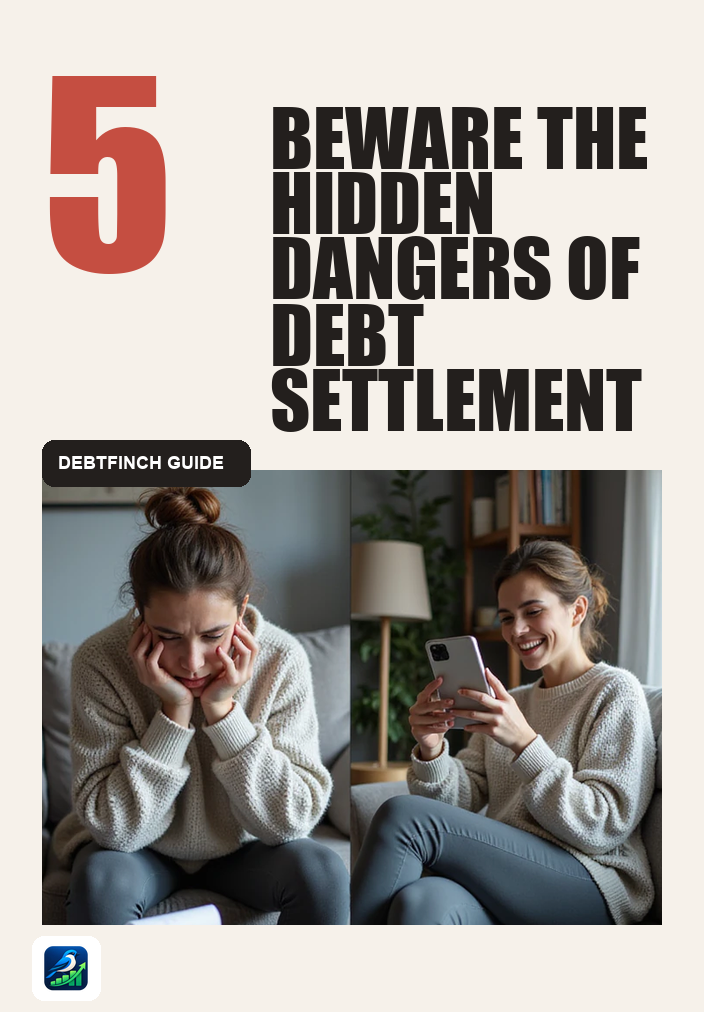
Before pursuing debt settlement, it’s vital to be aware of the risks involved. Here are some of the most significant ones to consider:
1. Impact on Credit Score
One of the immediate consequences of debt settlement is its effect on your credit score. When you settle a debt for less than what you owe, the account will typically be marked as “settled” rather than “paid in full.” This can negatively impact your credit score, making it harder to secure loans or favorable interest rates in the future.
2. Tax Implications
Settling debts may come with tax consequences. The IRS considers forgiven debt as taxable income, meaning you could owe taxes on the amount that was settled. It’s essential to consult a tax professional to understand how this could affect your financial situation.
3. Potential for Increased Debt
During the settlement process, you may be advised to stop making payments on your debts while negotiations are underway. This could lead to increased interest and fees, resulting in a larger overall debt if the settlement is not successful. Additionally, creditors may take legal action if payments are missed, potentially leading to wage garnishments or bank levies.
4. Scams and Unethical Practices
The debt settlement industry has its fair share of scams and unethical practices. Some companies may charge high upfront fees, offer unrealistic promises, or fail to deliver on their services. Always do thorough research before engaging with any debt settlement company.
Mitigating the Risks of Debt Settlement
While the risks of debt settlement are significant, there are strategies you can implement to mitigate them effectively:
1. Research and Choose Wisely
Take the time to research reputable debt settlement companies. Look for reviews, ask for recommendations, and check their credentials. Ensure that the company is accredited by a recognized organization and has a history of successful negotiations.
2. Understand All Terms
Before entering any agreement, make sure you fully understand the terms. This includes fees, the process involved, and the potential impacts on your credit score. Don’t hesitate to ask questions or seek clarification on any aspect of the agreement.
3. Consult Professionals
Consider seeking guidance from financial advisors, credit counselors, or legal professionals. They can help you evaluate whether debt settlement is the right option for your situation and provide advice on how to proceed.
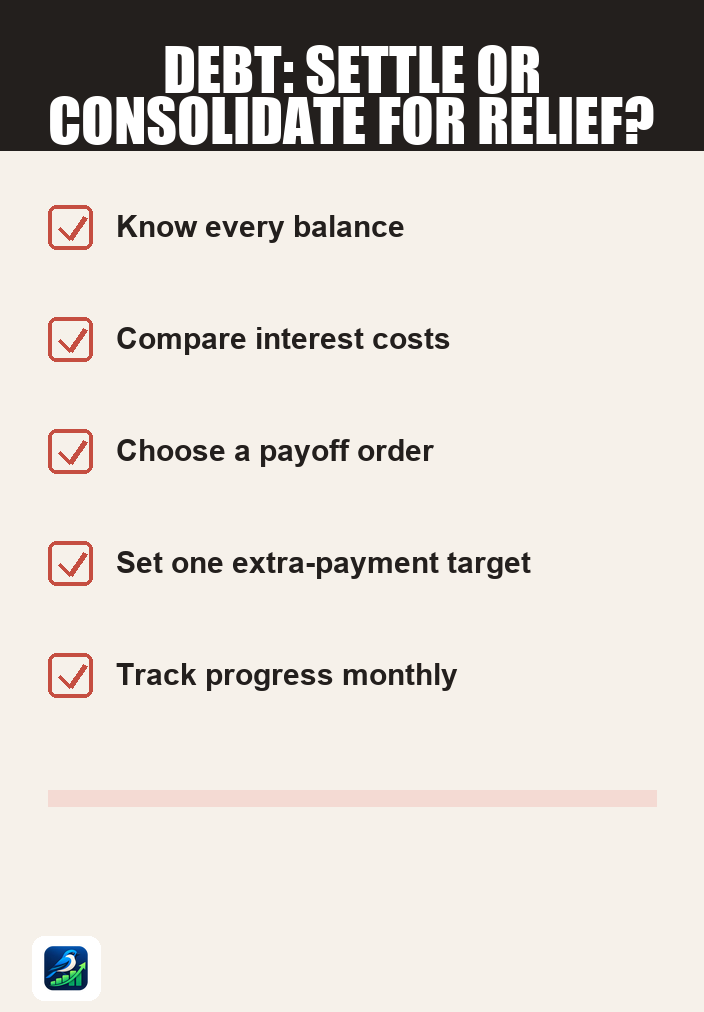
4. Explore Alternatives
Debt settlement is not the only option available. Before committing, explore other alternatives such as:
- Debt Management Plans: Work with a credit counseling agency to create a structured repayment plan.
- Debt Consolidation: Combine multiple debts into a single loan with a potentially lower interest rate.
- Bankruptcy: If your financial situation is dire, bankruptcy may provide a fresh start, though it has long-term consequences.
5. Maintain Communication with Creditors
Keeping an open line of communication with your creditors can be beneficial. They may be willing to negotiate payment terms or offer forbearance options to help you manage your debts without resorting to settlement.
Final Thoughts
Debt settlement can provide a pathway to reduce overwhelming debt, but it is essential to approach this option with caution. By understanding the risks and taking proactive steps to mitigate them, you can make informed decisions that align with your financial goals. Remember that each financial situation is unique, and what works for one person may not be suitable for another.
Next Steps
If you are considering debt settlement, start by assessing your financial situation, researching reputable companies, and exploring all available options. Consulting with financial professionals can also provide valuable insights tailored to your specific circumstances. Make a plan that prioritizes your long-term financial health and stability.