
Understanding Your Debt Landscape
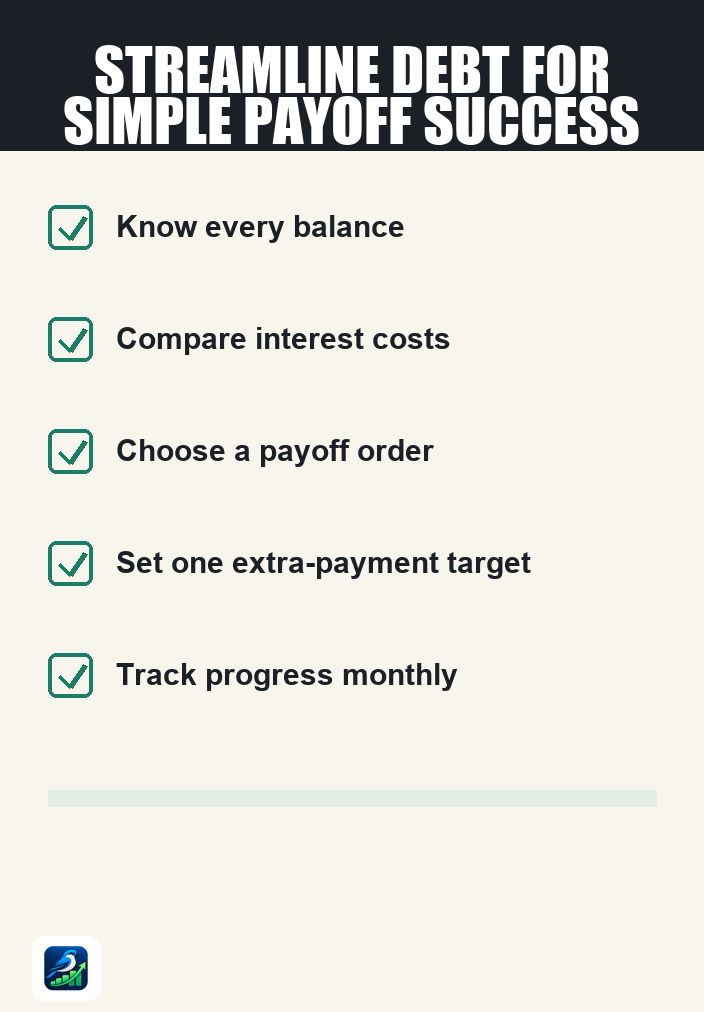
Managing multiple debts can feel overwhelming, but organizing them is the first step toward effective payoff strategies. To tackle your debts efficiently, it’s crucial to understand the different types of debt you have and their respective terms. Start by creating a comprehensive list of all your debts. This should include credit cards, personal loans, medical bills, and any other obligations.
Creating a Debt Inventory
Your inventory should contain the following information for each debt:
- Creditor name
- Total amount owed
- Interest rate
- Minimum monthly payment
- Due date
- Current status (e.g., on time, late, in collections)
Once you have this information organized, you can get a clear picture of your overall debt situation. This clarity will help you decide on the best repayment strategy moving forward.
Evaluating Debt Payoff Strategies
There are several strategies you can use to pay off your debts. Each has its own advantages and disadvantages, depending on your financial situation and personal preferences. Here are some popular methods:
The Snowball Method
The snowball method focuses on paying off your smallest debts first, regardless of interest rates. Here’s how it works:
- List your debts from smallest to largest.
- Make minimum payments on all debts except the smallest one.
- Put any extra funds toward the smallest debt until it’s paid off.
- Once the smallest debt is cleared, move to the next smallest debt and repeat the process.
This method can provide psychological boosts as you eliminate debts, motivating you to continue tackling larger debts.
The Avalanche Method
If you’re more focused on minimizing interest payments, the avalanche method might be more suitable. It prioritizes paying off debts with the highest interest rates first. Here’s the approach:
- List your debts from highest to lowest interest rate.
- Make minimum payments on all debts except the one with the highest interest rate.
- Allocate any extra funds toward that high-interest debt until it’s fully paid.
- Once it’s paid off, move to the next highest interest debt and continue the cycle.
This strategy can save you money in interest over time, but it may take longer to see significant progress compared to the snowball method.
Consider Debt Consolidation Options
Debt consolidation might be an option if you have multiple high-interest debts. This process involves combining several debts into a single loan with a potentially lower interest rate. Here are a few common forms of debt consolidation:
- Personal Loans: You can take out a personal loan to pay off your existing debts. Make sure to compare interest rates and terms.
- Balance Transfer Credit Cards: Some credit cards offer a promotional period with no interest on balance transfers. This can be a way to reduce interest costs if you can pay off the balance before the promotion ends.
- Home Equity Loans: If you own a home, you might consider a home equity loan or line of credit. However, this can put your home at risk if you fail to repay the loan.
Each consolidation option has trade-offs. While consolidating can simplify payments and potentially lower interest rates, it may also extend your repayment timeline or incur additional fees. Always read the fine print.
Debt Management and Settlement
Debt management plans (DMPs) and debt settlement are additional options for dealing with debts, but they come with significant considerations.
Debt Management Plans (DMPs)
A DMP involves working with a credit counseling agency to create a structured repayment plan. They may negotiate lower interest rates or fees on your behalf. While this can help streamline payments, remember that:
- You may be required to close credit accounts, which could impact your credit score.
- There might be fees associated with the service.
Debt Settlement
Debt settlement involves negotiating with creditors to pay less than what you owe. This can be risky and is not suitable for everyone:
- Settling debts can significantly impact your credit score.
- It may involve a lump-sum payment, which could be challenging if you’re already struggling financially.
Consider consulting a financial advisor or credit counselor to understand the implications and whether these options fit your situation.
Bankruptcy: A Last Resort
If your debts are overwhelming and you see no feasible way to repay them, bankruptcy may be an option. This process can provide a fresh start but comes with long-term consequences:
- Bankruptcy can stay on your credit report for up to ten years.
- Your assets may be liquidated to pay creditors, depending on the type of bankruptcy you file.
Consulting a legal professional before considering bankruptcy is crucial, as the rules can vary significantly by state.
Next Steps for Organizing and Paying Off Debt
Once you’ve chosen a repayment strategy, follow these practical steps to stay on track:
- Create a budget: Outline your monthly income and expenses to allocate funds for debt repayment.
- Automate payments: Set up automatic payments for minimums and any additional amounts to avoid late fees.
- Monitor progress: Regularly review your debt inventory and payment progress to stay motivated.
- Adjust your plan: If your financial situation changes, be prepared to reassess and adjust your repayment strategy.
Organizing and managing multiple debts can be daunting, but with the right strategies, you can take control of your financial situation. Remember, the path to debt freedom is often a marathon, not a sprint. Stay committed, and you’ll find your way to a more secure financial future.



















