
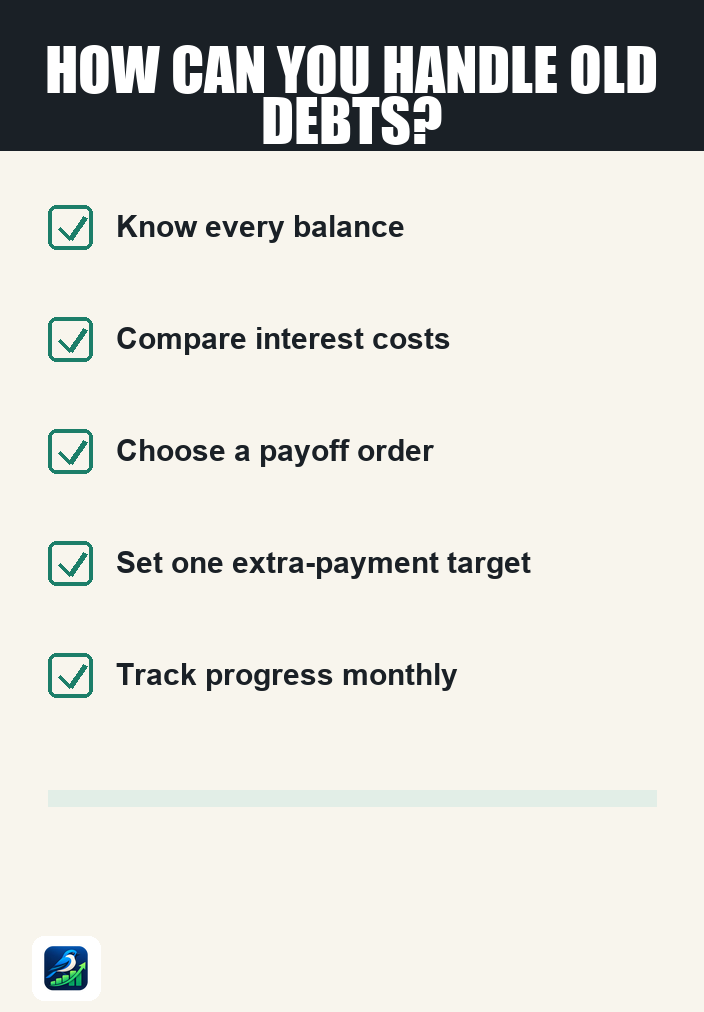
Understanding Old Debts and the Collections Process
Dealing with old debts can feel overwhelming, especially when they end up in collections. Understanding the collections process is essential to effectively tackle these debts and regain control over your finances. This article will guide you through practical steps to address old debts and navigate collections effectively.
Recognize Your Debt Situation
The first step in managing old debts is to clearly understand your financial situation. Start by gathering all your financial documents, including:
- Credit reports from all three major credit bureaus.
- Statements from creditors, including any collection agencies.
- Documentation of your income and monthly expenses.
Once you have all this information, create a list of your debts, noting the amount owed, the creditor, and the status of each debt (in collections, charged off, etc.). This will help you prioritize which debts to tackle first.
Know Your Rights
When dealing with debt collectors, it’s crucial to understand your rights under federal and state laws. The Fair Debt Collection Practices Act (FDCPA) provides protections against abusive practices, such as:
- Calling at unreasonable hours.
- Harassment or intimidation tactics.
- Misrepresentation of the amount owed or their authority.
If you believe a collector is violating these rights, you may file a complaint with the Consumer Financial Protection Bureau or your state’s attorney general.
Evaluate Your Options for Handling Debts
Once you understand your debt situation and know your rights, consider various options for addressing your old debts. Each option has its pros and cons, and the right choice depends on your financial situation and goals.
Debt Management Plans
A debt management plan (DMP) involves working with a credit counseling agency to create a structured plan to pay off your debts. The agency may negotiate lower interest rates or monthly payments with your creditors. However, not all creditors will agree to these terms, and there may be fees associated with setting up a DMP.
Debt Settlement
Debt settlement involves negotiating with creditors to reduce the total amount owed. This can be done independently or through a settlement agency. While this option may lead to a lower payoff amount, it can negatively impact your credit score, and not all debts are eligible for settlement. Additionally, you may need to consider the tax implications of forgiven debt.
Debt Consolidation
Debt consolidation combines multiple debts into a single loan, often with a lower interest rate. This can simplify payments but may not directly reduce the overall debt. It’s essential to understand the terms of the new loan and ensure you can manage the payments.
Bankruptcy
In extreme cases, bankruptcy may be a viable option to address overwhelming debt. Chapter 7 bankruptcy can discharge most unsecured debts, while Chapter 13 allows you to reorganize and repay debts over time. Bankruptcy has long-term consequences for your credit report, so it should be considered only after exploring other options.
Communicating with Collectors
Effective communication with debt collectors is crucial. Here are some tips to consider:
- Document all communications: Keep a record of phone calls, emails, and letters received from collectors.
- Be clear and concise: When communicating, state your situation clearly. If you’re unable to pay, explain your circumstances and ask about other options.
- Request validation: You have the right to request validation of the debt within 30 days of being contacted. This forces the collector to prove the validity of the debt.
Creating a Payment Strategy
Whether you decide to manage debts independently or with assistance, developing a payment strategy is essential. Consider the following steps:
- Prioritize your debts: Focus on high-interest debts or debts that could lead to legal action first.
- Set a budget: Create a monthly budget that accounts for your living expenses and debt payments.
- Consider payment options: Determine if you can make minimum payments, negotiate a payment plan, or settle for less.
Regularly review your budget and payment strategy, adjusting as necessary based on changes in your financial situation.
Navigating the Aftermath
After addressing old debts, it’s crucial to focus on rebuilding your financial health. Here are some strategies to consider:
- Monitor your credit report: Regularly check your credit report for accuracy and to track your progress.
- Create an emergency fund: Start saving for unexpected expenses to avoid falling back into debt.
- Educate yourself: Take advantage of financial education resources to enhance your understanding of managing finances.
Next Steps
Dealing with old debts and collections can be challenging, but with the right approach, you can take control of your financial situation. Start by organizing your debts, understanding your rights, and evaluating your options. Remember, it may be beneficial to seek professional guidance when making significant financial decisions or navigating complex situations.



















