
Understanding Debt Relief Scams
Debt relief scams prey on individuals struggling with financial challenges. As you explore options to manage or reduce your consumer debt, it’s crucial to recognize warning signs of these scams. By being informed and vigilant, you can protect yourself from fraudulent schemes that promise unrealistic results.
Common Warning Signs of Debt Relief Scams
Identifying a scam can sometimes feel overwhelming. However, certain telltale signs can help you spot a fraudulent debt relief service. Here are some common red flags:
- Upfront Fees: Legitimate debt relief organizations typically do not charge you before providing services. If a company asks for payment before offering any help, consider it a potential scam.
- Promises of Quick Solutions: Be wary of any service that guarantees immediate debt reduction or claims they can erase your debts quickly. Debt management takes time, and no legitimate service can promise quick fixes.
- Lack of Transparency: If a company is vague about their processes or fees, or if they refuse to provide details in writing, this is a significant warning sign. A reputable organization should be clear about how they operate and what you can expect.
- Pressure Tactics: Scammers often pressure consumers into making hasty decisions. If you feel rushed to enroll or provide personal information, take a step back and reconsider.
- Unregistered or Unlicensed Services: Check if the debt relief service is registered with relevant authorities or has the necessary licenses in your state. If they aren’t, proceed with caution.
- Claims of Non-Repayment: Beware of companies that suggest you stop paying your creditors altogether. This can lead to more significant problems, including legal action from creditors.
Types of Debt Relief Options
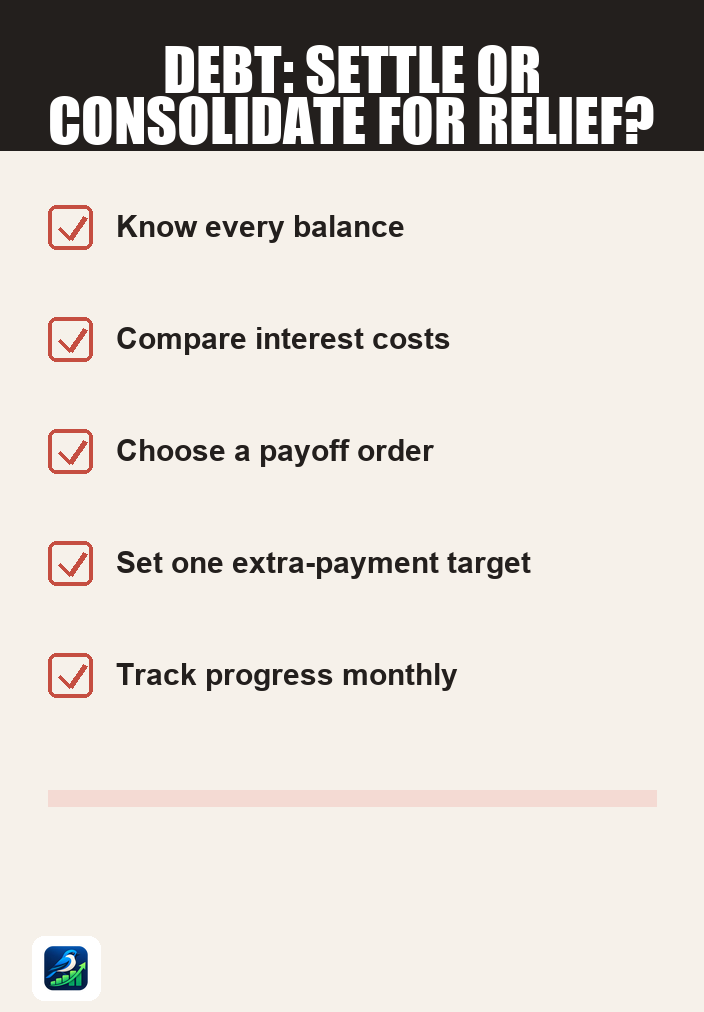
Understanding different debt relief options can help you navigate your choices more effectively. Here are some common methods:
Debt Consolidation
This approach combines multiple debts into a single loan, often with a lower interest rate. While it can simplify payments, it may not significantly reduce the total debt amount and can extend the repayment period.
Debt Management Plans (DMP)
DMPs involve working with a credit counseling agency to create a plan to pay off your debts over time. You’ll typically make a single monthly payment to the agency, which then distributes the funds to your creditors. This option can help lower interest rates and fees but requires commitment to a structured payment plan.
Debt Settlement
Debt settlement involves negotiating with creditors to settle your debts for less than what you owe. While this can lead to significant savings, it can also negatively impact your credit score and is not suitable for everyone. It’s essential to weigh the pros and cons before pursuing this route.
Bankruptcy
Filing for bankruptcy can provide a fresh start, but it has long-term consequences on your credit report. It’s typically considered a last resort and should be approached with professional guidance to understand the implications.
Recognizing Legitimate Debt Relief Services
Finding a trustworthy debt relief service is crucial. Here’s how to identify a legitimate provider:
- Research and Reviews: Look for reviews and ratings from previous clients. Transparency in customer experiences is indicative of a reliable service.
- Accreditations: Check if the organization is accredited by relevant agencies or industry associations. Accreditation can be a sign of credibility.
- Free Consultation: Many legitimate services offer free consultations. This allows you to understand their approach without any financial commitment.
- Written Agreements: Ensure any agreements are documented and clearly outline the services provided, fees, and what you can expect.
Your Next Steps
Now that you are equipped with knowledge about identifying debt relief scams and understanding your options, consider the following steps:
- Evaluate Your Financial Situation: Take stock of your debts, income, and expenses to understand your financial landscape.
- Research Options: Explore different debt relief methods and their potential impacts on your financial health.
- Seek Professional Guidance: If you’re feeling overwhelmed, consider speaking with a certified credit counselor who can help you navigate your options and develop a personalized plan.
- Stay Informed: Continuously educate yourself about debt management and financial literacy to make informed decisions.
By taking these steps and remaining vigilant, you can navigate the world of debt relief more effectively and steer clear of potential scams. Remember, the right support is out there; all you need to do is look for it wisely.