
Understanding the Consequences of Ignoring Debt Collector Calls
Ignoring calls from debt collectors may seem like an easy way to avoid stress, but it often leads to bigger problems. While it’s tempting to hope the situation will resolve itself, this approach can cause your financial situation to worsen. Recognizing common missteps when dealing with debt collectors can help you regain control and make informed choices.
Why Do Debt Collectors Call?
Debt collectors are hired by creditors to recover unpaid debts. When an account becomes delinquent, it is typically passed to a collection agency after a certain period. Understanding that these calls are a part of the debt recovery process can help demystify the situation.
Ignoring the Calls
Many individuals choose to ignore debt collector calls, believing that avoiding communication will make the problem disappear. However, this misstep can result in:
- Increased Stress: The more you ignore the calls, the more anxious you may feel about the situation.
- Potential Legal Action: Ignoring calls may lead collectors to escalate the situation, possibly resulting in lawsuits.
- Negative Impact on Credit Score: Unpaid debts can be reported to credit bureaus, damaging your credit score over time.
Common Missteps When Ignoring Debt Collectors
1. Failing to Verify the Debt
When you receive a call from a debt collector, it’s critical to verify the debt. Many people ignore this step, assuming that the collector is correct. However, mistakes happen, and some collectors may attempt to collect debts that are not valid. If you don’t respond, you may end up paying for something you don’t owe.
2. Not Understanding Your Rights
Consumers have rights under the Fair Debt Collection Practices Act (FDCPA). Ignoring these rights can lead to unfair treatment. For example, collectors cannot harass you, call you at unreasonable hours, or disclose your debt to others without permission. Understanding your rights can empower you to handle calls more effectively.
3. Avoiding Communication
While it may feel easier to avoid conversations, lack of communication can worsen the situation. Debt collectors are often open to negotiation and may offer repayment plans or settlements. Engaging in dialogue allows you to explore options that could be more manageable for your financial situation.
4. Ignoring the Paper Trail
Debt collectors are required to send a written validation notice within five days of their initial contact. Ignoring this notice can lead to confusion about the debt amount and the creditor. Keeping a record of all communication is essential for tracking the situation and protecting yourself legally.
Exploring Your Options
Ignoring debt collector calls often leads to feelings of helplessness. Instead of avoidance, consider the following options:
1. Debt Consolidation
Debt consolidation involves combining multiple debts into a single loan, often with a lower interest rate. This can simplify your payments but may come with fees and longer repayment terms. While it can make monthly payments more manageable, it’s critical to ensure you don’t accumulate more debt in the process.
2. Debt Management Plans
Working with a credit counseling agency, you can create a debt management plan that may allow you to pay off your debt over time while potentially lowering interest rates. However, this requires a commitment to making regular payments and may affect your credit score initially.
3. Debt Settlement
Debt settlement involves negotiating with creditors to pay a lump sum that is less than the total owed. While this can provide relief, it may negatively impact your credit score and is not guaranteed. This option may be suitable for those who are in a position to make a one-time payment but requires careful consideration.
4. Bankruptcy
As a last resort, bankruptcy can provide relief from overwhelming debt, but it significantly impacts your credit and remains on your record for several years. It’s essential to consult a legal professional to discuss the implications and eligibility for bankruptcy before proceeding.
Practical Steps to Take When Facing Debt Collectors
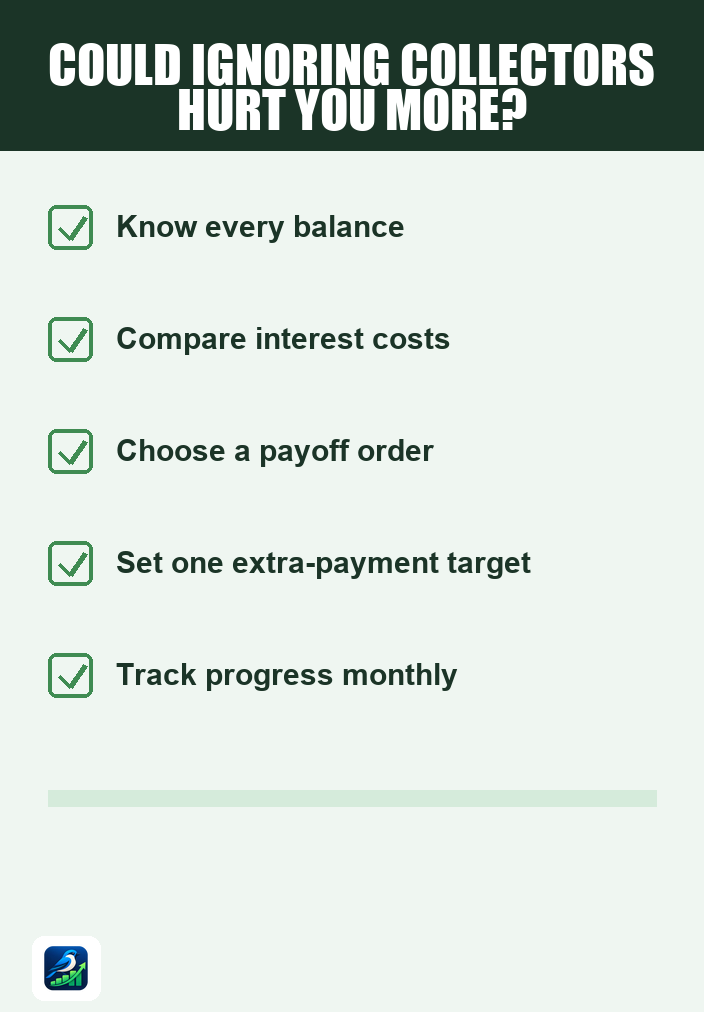
If you find yourself overwhelmed by debt, consider these actionable steps:
- Answer the Calls: Engage with collectors to understand your debt and discuss potential options.
- Verify the Debt: Request validation of the debt, ensuring it’s legitimate and accurate.
- Know Your Rights: Familiarize yourself with consumer protection laws to ensure you’re treated fairly.
- Document Everything: Keep records of all communications, including dates, times, and the content of conversations.
- Explore Your Options: Evaluate debt relief strategies that may work for your specific situation.
Next Steps
Ignoring debt collector calls can lead to a cycle of stress and worsening financial conditions. By actively addressing the situation, you can take control of your debt. Start by answering calls, verifying your debts, and exploring your options for managing or resolving your financial obligations. If needed, consult with professionals who can provide tailored guidance based on your circumstances.



















