
Understanding Budgeting While Paying Off Debt
When you’re deep in the trenches of debt, budgeting might seem like an uphill battle. You might wonder: is it realistic to stick to a budget while focusing on paying off your debts? The answer is yes, but it requires a strategic approach. Budgeting can actually be a powerful tool in your debt repayment journey, helping you regain control over your finances and make informed decisions.
Why Budgeting Matters in Debt Repayment
Budgeting is crucial when you’re trying to pay off debt for several reasons:
- Clarity: A budget provides a clear picture of your income and expenses, helping you understand where your money is going.
- Control: With a budget, you can prioritize your spending and allocate more funds toward debt repayment.
- Accountability: Tracking your spending can help you stay accountable to your financial goals and resist temptations to overspend.
Creating a Realistic Budget
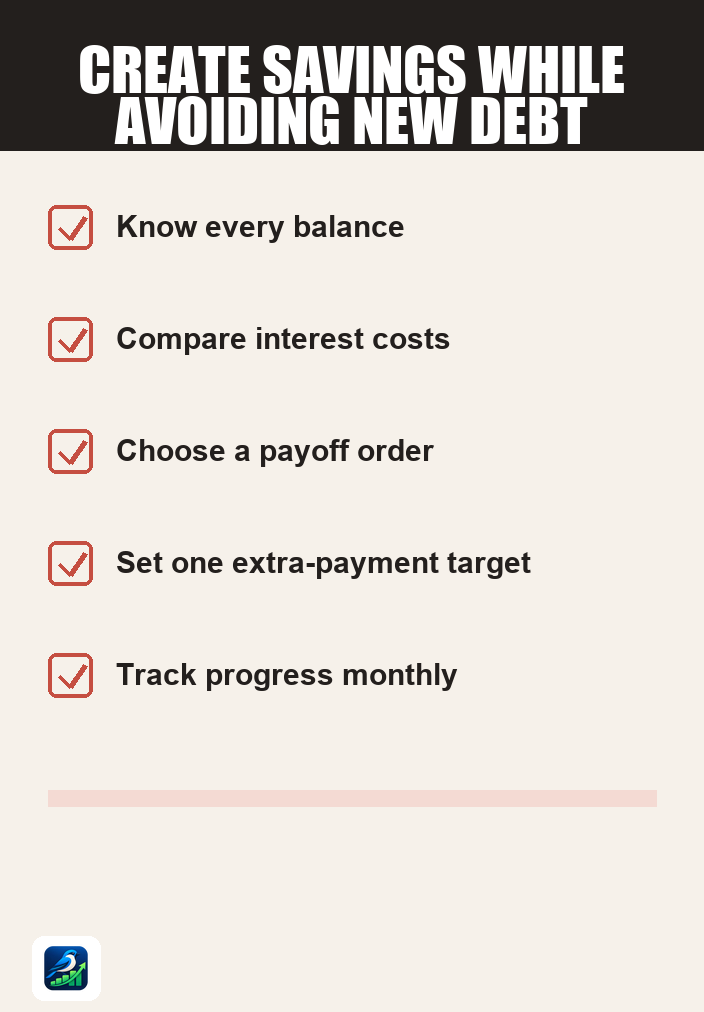
To create a budget that works for you, especially when focusing on debt repayment, follow these steps:
1. Gather Financial Information
Start by collecting all relevant financial information, including:
- Monthly income (after taxes)
- Fixed expenses (rent, utilities, insurance)
- Variable expenses (groceries, entertainment)
- Debt obligations (minimum payments, interest rates)
2. Track Your Spending
Before you set a budget, track your spending for at least a month. This will give you insights into your habits and help you identify areas where you can cut back.
3. Categorize Your Expenses
Divide your expenses into essential and non-essential categories:
- Essential: Rent, utilities, groceries, transportation
- Non-essential: Dining out, subscriptions, luxury items
4. Set Clear Debt Repayment Goals
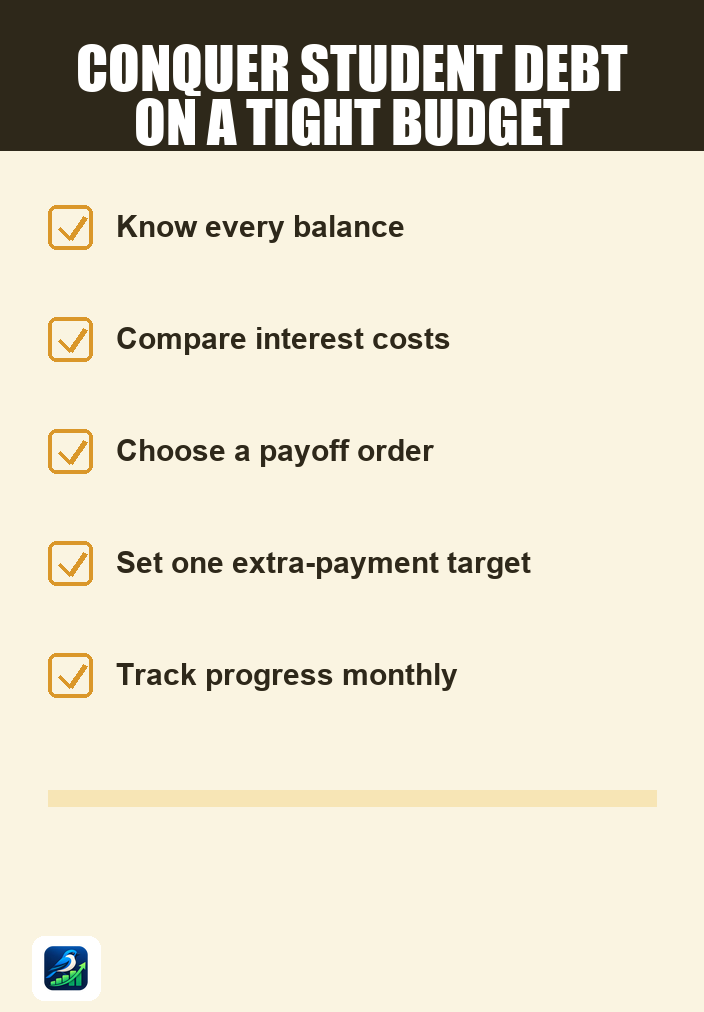
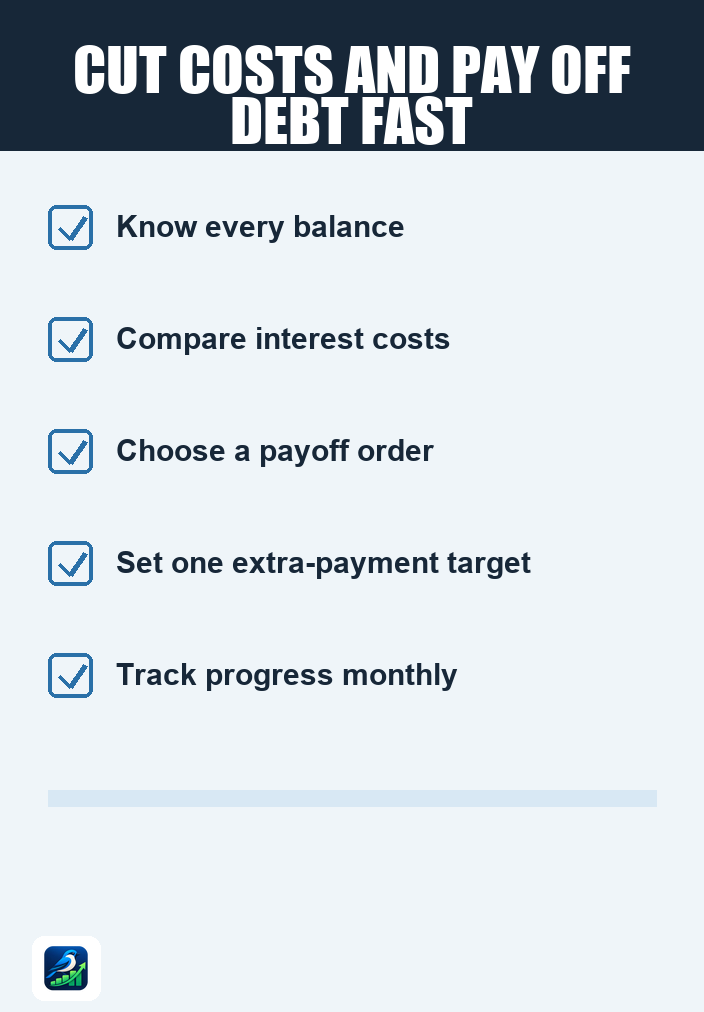
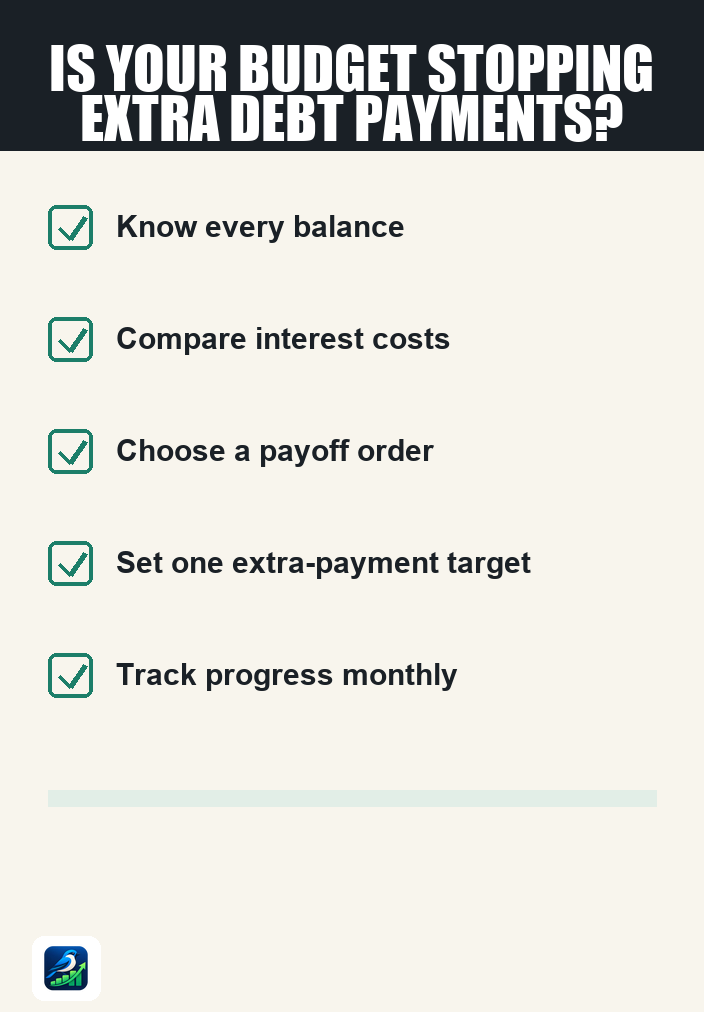
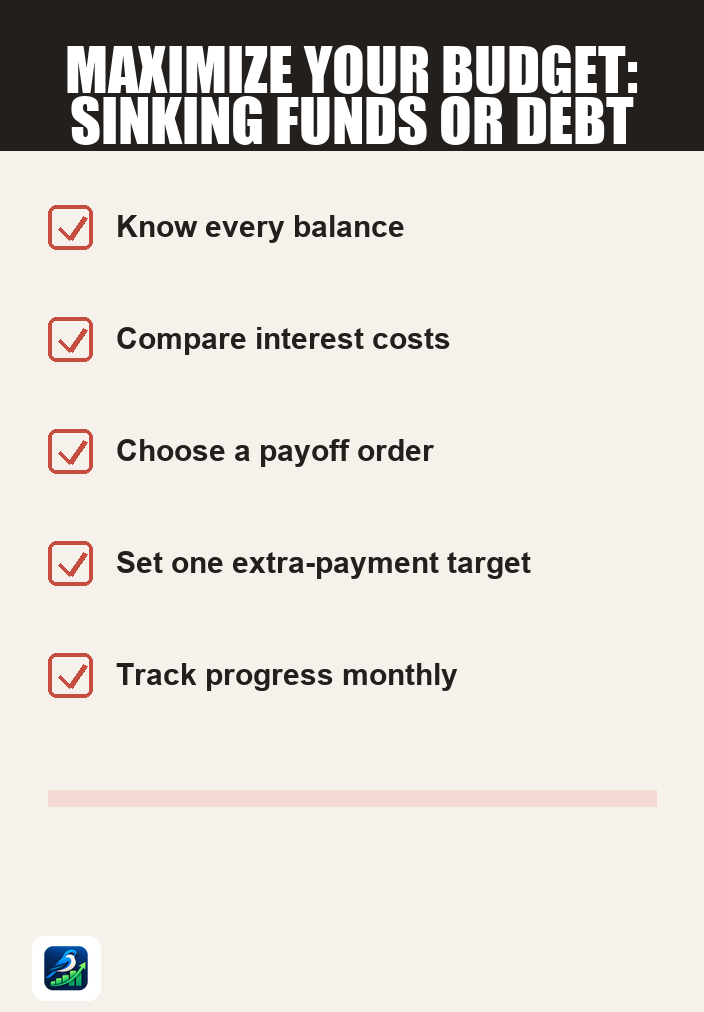
Determine how much you can realistically allocate toward debt repayment each month. Consider using the debt snowball or debt avalanche method to prioritize which debts to pay off first:
- Debt Snowball: Focus on paying off the smallest debt first for quick wins.
- Debt Avalanche: Concentrate on the debt with the highest interest rate to save on interest over time.
5. Build in Flexibility
Your budget should allow for some flexibility. Life can be unpredictable, and unexpected expenses can arise. Aim to include a small buffer in your budget for these instances.
Challenges of Budgeting While in Debt
While budgeting can be beneficial, there are challenges to consider:
- Psychological Barriers: The stress of debt can lead to feelings of overwhelm, making it hard to stick to a budget.
- Impulse Spending: Without a strong commitment to your budget, it can be easy to overspend on non-essential items.
- Fluctuating Income: If your income varies month to month, creating a consistent budget can be more challenging.
Alternative Approaches to Managing Debt
If traditional budgeting feels too constraining, consider these alternative approaches:
1. Simplified Budgeting
Instead of a detailed budget, use a simplified approach, such as the 50/30/20 rule:
- 50% for needs
- 30% for wants
- 20% for savings and debt repayment
2. Debt Management Plans
A debt management plan involves working with a credit counseling agency to create a structured repayment plan. While this can simplify payments, be aware of potential fees and the impact on your credit score.
3. Debt Consolidation
This involves combining multiple debts into one loan, often with a lower interest rate. While this can simplify payments, assess the total cost and terms carefully, as it can extend your repayment timeline.
4. Debt Settlement
Debt settlement involves negotiating with creditors to settle your debt for less than you owe. This can negatively impact your credit score and may not be suitable for everyone.
Staying Motivated While Budgeting
Staying committed to your budget and debt repayment plan can be challenging. Here are some strategies to keep you motivated:
- Celebrate Small Wins: Acknowledge your progress, whether it’s paying off a small debt or sticking to your budget for a month.
- Visualize Your Goals: Keep reminders of your financial goals visible, whether through images, quotes, or charts.
- Connect with Support: Consider joining a support group or online community focused on debt repayment for encouragement and accountability.
Next Steps in Your Debt Repayment Journey
Budgeting while paying off debt can be a realistic and effective strategy. Start by gathering your financial information, tracking your spending, and setting clear goals. Be aware of the challenges and consider alternative approaches if needed. Remember to stay flexible and motivated as you work toward financial freedom.
Take action by creating your budget today, and commit to reviewing it regularly. Adjust as necessary to account for changes in income or expenses, and keep your long-term goals in sight. You have the power to regain control over your finances—one step at a time.