
Understanding Debt Settlement
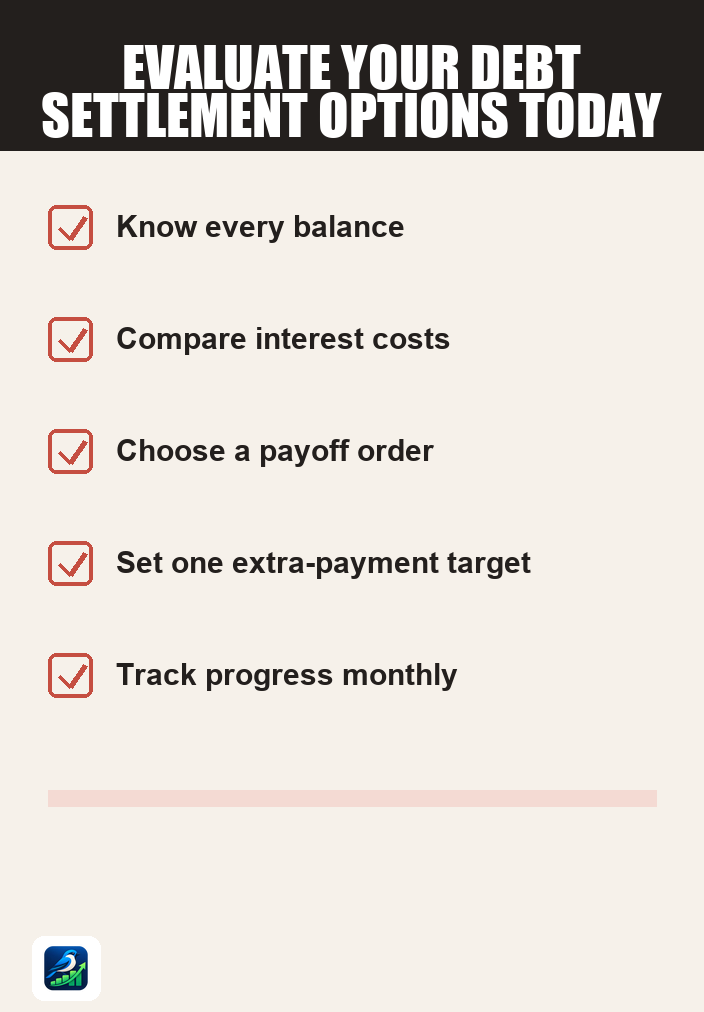
Debt settlement can be an appealing option for those overwhelmed by consumer debt. The process involves negotiating with creditors to reduce the total amount owed, allowing for a more manageable payoff. However, it’s not the right choice for everyone. To determine if debt settlement is suitable for you, consider the following comprehensive checklist.
Know Your Financial Situation
Before diving into debt settlement, it’s essential to understand your current financial landscape.
Assess Your Total Debt
- List all your debts, including credit cards, medical bills, personal loans, and any other obligations.
- Calculate the total amount owed, noting interest rates and minimum payments.
Evaluate Your Income and Expenses
- Document your monthly income from all sources.
- Create a budget that outlines your necessary expenses, like housing, utilities, groceries, and transportation.
- Determine how much disposable income you have left after covering essential expenses.
Consider Your Credit Impact
Debt settlement often impacts your credit score. Understanding this effect is critical.
Understand Credit Reporting
- Settled debts may be marked as “settled” rather than “paid in full,” which can lower your credit score.
- Late payments or missed payments that occur before settlements can also negatively impact your credit history.
Evaluate How Long Credit Damage Lasts
- Late payments can remain on your credit report for up to seven years.
- Settled debts might also affect your ability to obtain new credit during that time.
Understand the Debt Settlement Process
It’s crucial to know what debt settlement entails before proceeding.
Negotiation Process
- Typically, you or a hired negotiation firm will contact creditors to propose a reduced payoff amount.
- Creditors may agree to settle for less than the full balance, especially if they believe collection efforts would not yield more.
Timeframe for Settlement
- The process can take several months to a few years, depending on how many creditors you have and how negotiations progress.
- During this period, you may need to save money to make lump-sum payments to creditors.
Evaluate Costs and Fees
Understanding the financial implications of debt settlement is essential.
Potential Fees
- Some companies charge fees based on the amount of debt enrolled or a percentage of the debt settled.
- Make sure to understand all fees upfront and assess whether they are reasonable compared to potential savings.
Calculate Your Savings
- Consider how much you would save if your debts are settled compared to paying them in full.
- Weigh the costs of fees against the total amount you aim to settle.
Alternative Debt Relief Options
Debt settlement is one of several debt relief strategies. Explore these alternatives to see if they might better suit your situation.
Debt Consolidation
- This involves combining multiple debts into a single loan, often with a lower interest rate.
- It can simplify payments and may improve your credit score if you make timely payments.
Debt Management Plans
- Working with a credit counseling agency can help you create a plan to pay off debts over time.
- These plans often come with lower interest rates and waived fees.
Bankruptcy
- This is a legal option for discharging debts but comes with serious long-term credit implications.
- Consulting with a bankruptcy attorney can help you understand if this is a viable option for you.
Criteria for Successful Debt Settlement
Not everyone will benefit from debt settlement. Here are some factors to consider:
Income Stability
- Stable income is vital to negotiate effectively and manage payments on settled debts.
- If your income fluctuates significantly, this may complicate the settlement process.
Current Debt Load
- A higher debt-to-income ratio may make settlement necessary, but it can also make negotiation more challenging.
- Consider whether your total debt is manageable through other means.
Willingness to Negotiate
- Success in debt settlement often hinges on your willingness and ability to negotiate.
- If you’re uncomfortable negotiating, consider hiring a reputable professional to help.
Next Steps
If after considering this checklist, you believe debt settlement might be right for you, take the following steps:
- Consult with a credit counselor to explore all your options.
- Gather documentation of your debts, income, and expenses.
- Research reputable debt settlement companies if you choose to go that route.
- Weigh the pros and cons of each option thoroughly before making a decision.
Debt settlement can be a viable solution for some, but it requires careful consideration and planning. Make sure to evaluate your situation thoroughly and explore all your options before proceeding.



















