Understanding Your Grocery Budget in the Context of Debt Repayment
Managing a grocery budget while making progress on debt repayment is a balancing act many adults face. The good news is that it’s entirely possible to master your grocery spending without sacrificing your commitment to paying down debt. The key lies in understanding your financial situation, setting realistic goals, and employing strategic budgeting techniques. This article will outline practical steps to help you navigate your grocery expenses while staying on track with your debt repayment progress.
Assessing Your Financial Landscape
Before you can effectively manage your grocery budget, it’s important to have a clear picture of your overall financial landscape. This includes understanding your income, expenses, and current debt situation.
Review Your Income and Expenses
- Calculate Your Monthly Income: Include all sources of income, such as salaries, side gigs, or any passive income streams.
- List Fixed and Variable Expenses: Identify your fixed expenses (rent, utilities, minimum debt payments) and variable expenses (entertainment, groceries, dining out).
Once you have a complete picture, you can see how much money you have left after covering necessary expenses. This leftover amount will help inform your grocery budget and debt repayment strategy.
Understand Your Debt Obligations
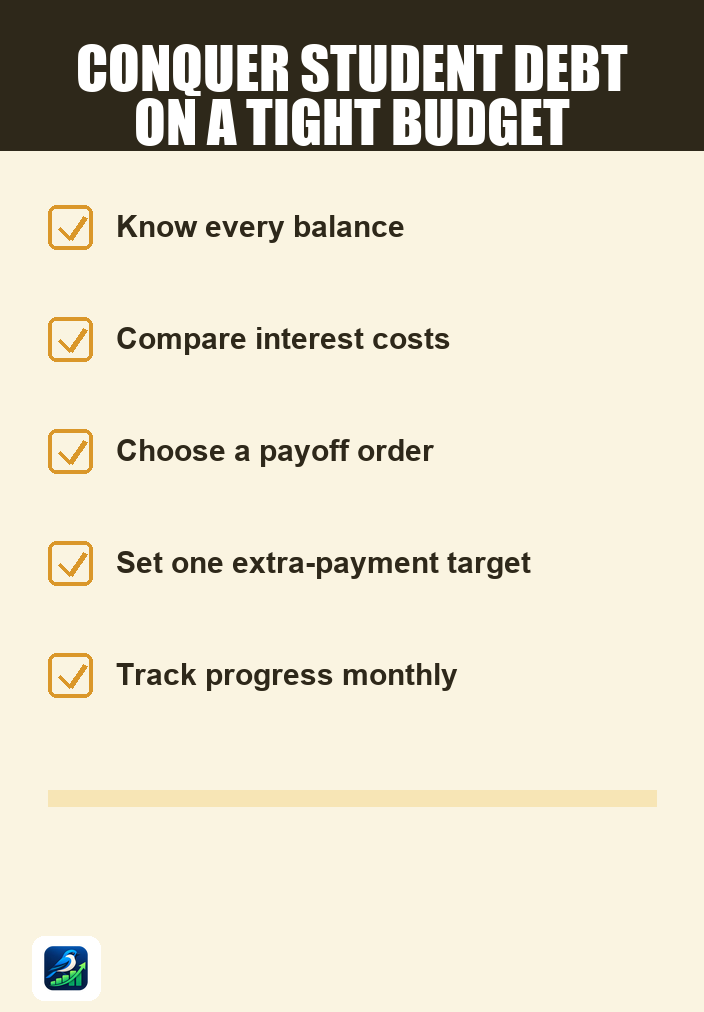
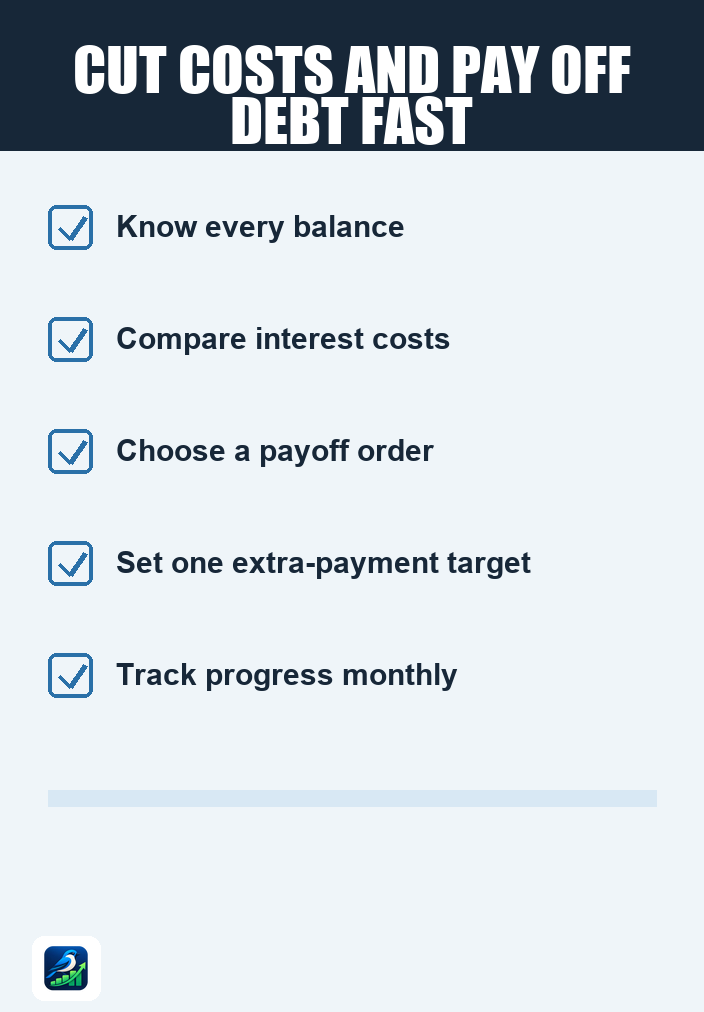
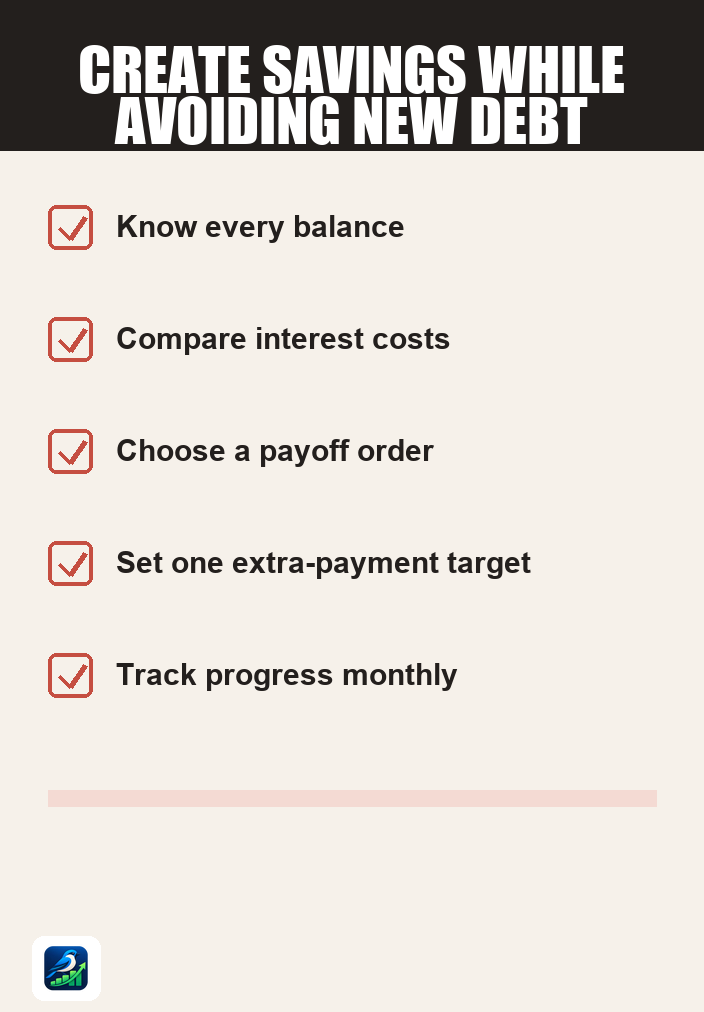
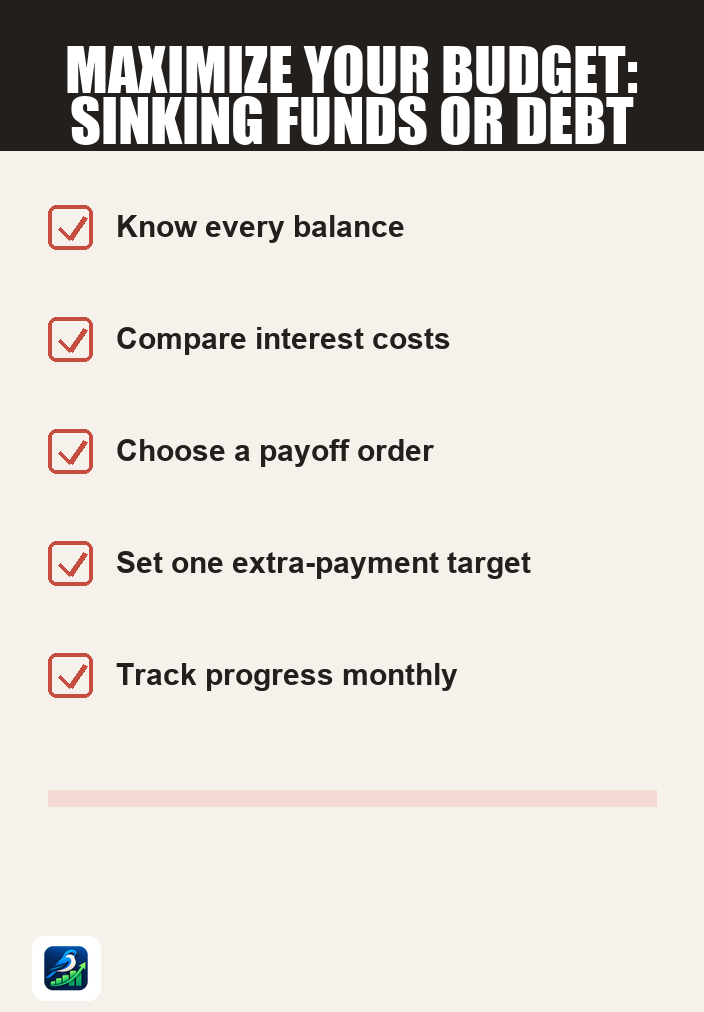
Knowing the specifics of your debt is crucial. List your debts along with their interest rates, minimum payments, and due dates. This will help you prioritize which debts to tackle first while figuring out how much disposable income you can allocate to groceries.
Setting a Realistic Grocery Budget
With a clear understanding of your financial situation, you can now set a realistic grocery budget that takes into account both your needs and your debt repayment goals.
Determine Your Grocery Spending Limit
To set an effective grocery budget, consider the following steps:
- Look at Past Spending: Review your grocery receipts or bank statements to find out how much you typically spend on groceries each month.
- Account for Debt Repayment: Decide how much of your disposable income you can allocate to groceries without jeopardizing your debt payment plan.
- Set a Monthly Limit: Based on the data you’ve gathered, establish a monthly grocery budget that doesn’t exceed your determined spending limit.
Consider the Trade-Offs
When setting your grocery budget, be aware of the trade-offs you might need to make. For instance, if you’re aiming to pay down high-interest debt, you may need to reduce your grocery budget temporarily. This could involve choosing less expensive items or opting for sales and discounts. Be realistic about what you can cut without compromising your health and nutrition.
Strategies for Grocery Shopping on a Budget
Now that you’ve established a budget, here are some practical strategies to help you stick to it while still enjoying nutritious meals.
Create a Meal Plan
Planning your meals for the week can significantly reduce impulse purchases and waste. Here’s how to create an effective meal plan:
- Check Your Pantry: Before planning meals, see what items you already have to avoid buying duplicates.
- Choose Simple Recipes: Opt for recipes that require fewer ingredients and are easy to prepare.
- Plan for Leftovers: Incorporate meals that can be made in larger quantities and used as leftovers for lunch or dinner later in the week.
Shop with a List
Once your meal plan is set, create a grocery list based on the ingredients you need. Stick to this list while shopping to avoid unnecessary purchases. This practice not only helps you stay within your budget but also reduces the temptation to buy items that may not be part of your meal plan.
Explore Cost-Saving Options
Take advantage of various cost-saving methods:
- Buy in Bulk: Purchase non-perishable items in bulk to save money in the long run.
- Utilize Coupons and Discounts: Look for coupons, sales, and loyalty programs that can help lower your grocery costs.
- Consider Generic Brands: Often, generic or store brands offer similar quality at a lower price compared to name brands.
Maintaining Flexibility and Adjusting as Needed
As you work through your grocery budget and debt repayment, it’s essential to remain flexible. Your financial situation may change, requiring you to adjust your grocery budget. Here are some tips on how to adapt:
Regularly Review Your Budget
Set aside time each month to review your grocery spending. Compare your actual expenses against your budget and identify any areas where you might need to make adjustments.
Be Open to Adjustments
If you find that your initial grocery budget is too restrictive or too lenient, don’t hesitate to adjust it. Consider your personal circumstances, dietary needs, and any shifts in your debt repayment strategy.
Next Steps for Balancing Grocery Budget and Debt Repayment
Balancing a grocery budget while making progress on debt repayment requires careful planning and commitment. Here are some practical next steps:
- Assess your current financial situation and set a clear grocery budget.
- Implement meal planning and stick to a shopping list to reduce impulse spending.
- Explore cost-saving options like bulk buying and generic brands.
- Regularly review your budget to ensure it aligns with your financial goals.
By taking these steps, you can effectively manage your grocery expenses without compromising your debt repayment progress. Remember, the goal is to strike a balance that allows you to meet your nutritional needs while taking significant strides toward financial stability.