
Understanding Debt Settlement and Its Risks
Debt settlement can seem like a beacon of hope for those overwhelmed by financial obligations. It allows individuals to negotiate with creditors to pay off their debts for less than the full amount owed. However, while it may provide a way to reduce debt, it comes with significant risks that can impact your financial stability. In this article, we’ll explore how to navigate these risks effectively without compromising your overall financial health.
What is Debt Settlement?
Debt settlement involves negotiating with creditors to reduce the amount you owe. Typically, a debt settlement company will handle negotiations on your behalf, often promising to help you achieve a settlement that is less than what you owe. It’s important to understand that this process is distinct from:
- Debt Consolidation: Combining multiple debts into a single loan, usually with a lower interest rate.
- Debt Management: Working with a credit counseling agency to create a repayment plan without reducing the principal amount owed.
- Bankruptcy: A legal process that can eliminate or restructure your debts but can severely impact your credit score.
Weighing the Pros and Cons of Debt Settlement
Before diving into debt settlement, it’s essential to consider both its advantages and drawbacks:
Pros
- Potentially Lower Payments: You may be able to settle debts for less than what you owe.
- Faster Resolution: Settlements can sometimes be reached quicker than traditional repayment plans.
- Reduced Stress: Knowing that you’re actively working towards resolving your debts can be a relief.
Cons
- Impact on Credit Score: Settling a debt often negatively affects your credit score, making future borrowing more difficult.
- Tax Consequences: Debt forgiven may be considered taxable income, potentially leading to unexpected tax liabilities.
- Fees and Costs: Many debt settlement companies charge fees that can eat into any savings you achieve through negotiation.
- Not Guaranteed: There’s no assurance that you’ll reach a settlement, and creditors may refuse to negotiate.
Steps to Navigate Debt Settlement Risks
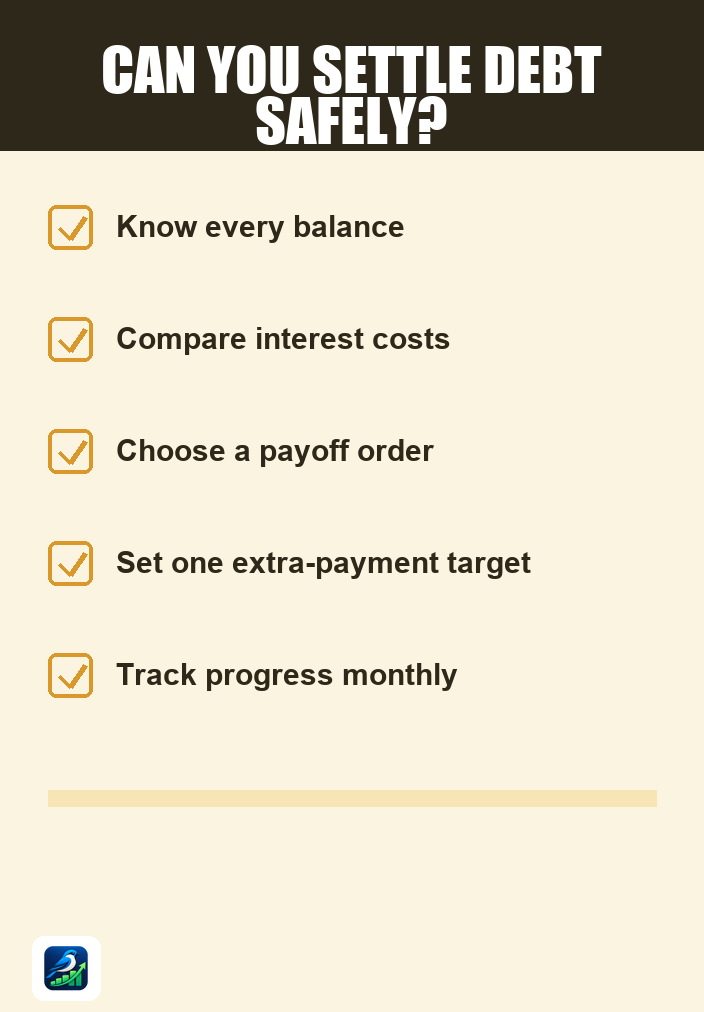
If you decide that debt settlement is the right path for you, here are some practical steps to minimize risks:
1. Evaluate Your Financial Situation
Before taking any action, assess your financial health. Consider your total debts, income, expenses, and your ability to make payments. Create a budget to understand how much you can realistically afford to settle. This foundational step will help you make informed decisions moving forward.
2. Research Your Options
Investigate different debt relief options. While debt settlement may seem appealing, it’s crucial to compare it with debt management or consolidation. Each option has its pros and cons, and understanding these can help you choose the best path.
3. Choose the Right Approach
Decide whether you want to negotiate on your own or work with a debt settlement company. If you choose to go it alone, gather documentation about your debts and be prepared to communicate directly with creditors. If you opt for a company, research thoroughly. Look for reputable firms with a proven track record and check reviews.
4. Understand the Fees
If you go with a debt settlement company, understand their fee structure. Look out for upfront fees that might be charged before any debt is settled. Legitimate companies usually charge fees based on the amount saved rather than charging upfront costs.
5. Prepare for Negotiations
When it comes time to negotiate, be prepared with data. Know how much you can afford to pay and be ready to explain your financial situation. Make sure to get any agreement in writing before making payments to ensure that you have a record of the terms.
6. Monitor Your Credit Report
After settling a debt, keep an eye on your credit report. Check for inaccuracies and ensure that settled debts are reported correctly. This will help you manage any potential negative impacts on your credit score.
Alternatives to Debt Settlement
While debt settlement may be one option, it’s not the only path to financial recovery. Consider these alternatives:
- Debt Management Plans: Work with a credit counseling service to create a structured plan that may include lower interest rates and consolidated payments.
- Debt Consolidation Loans: Combine multiple debts into a single loan with a potentially lower interest rate.
- Bankruptcy: If your debts are insurmountable, consider consulting a bankruptcy attorney to understand if this is a viable option.
Be Aware of Legal and Tax Implications
Debt settlement can have legal and tax consequences. Forgiven debts may be considered income by the IRS, which means you could owe taxes on that amount. As laws can vary by state, it’s wise to consult with a tax professional or attorney to understand the implications of settling your debts.
Next Steps: Moving Forward with Confidence
Navigating debt settlement can be complex, but with the right approach, you can mitigate risks and maintain your financial stability. Start by evaluating your financial situation, researching your options, and considering whether debt settlement is the best solution for you. Remember, it’s essential to weigh all factors and consider alternatives before making a decision.
As you move forward, stay informed, remain proactive, and seek out the support you need to make sound financial decisions. Your journey to financial wellness is unique, and taking each step with care will help you navigate debt settlement without compromising your financial future.



















