Understanding the Debt Settlement Process
The journey through consumer debt can be overwhelming, and many individuals find themselves exploring various options for relief. Among these, debt settlement stands out as a potential strategy to negotiate and reduce outstanding debts. However, navigating this process can be tricky, and missteps can lead to further complications. This article will guide you through common pitfalls in the debt settlement process and provide practical advice on how to avoid them.
What is Debt Settlement?
Debt settlement involves negotiating with creditors to pay a reduced amount on your debts. This is typically done when you are unable to pay your debts in full, and it can be a way to alleviate financial stress. It’s important to differentiate debt settlement from other debt relief options:
- Debt Consolidation: Combining multiple debts into a single loan, often with a lower interest rate.
- Debt Management: Working with a credit counseling agency to create a repayment plan without negotiating lower balances.
- Bankruptcy: A legal process that can discharge certain debts but has long-term financial implications.
Understanding these distinctions is crucial as you consider your options.
Common Missteps in Debt Settlement
Many individuals seeking debt settlement make errors that can hinder their progress or worsen their financial situation. Here are some common missteps to be aware of:
1. Not Fully Understanding the Process
It’s vital to comprehend how debt settlement works before diving in. Many people start negotiations without fully grasping the implications, including potential tax liabilities and impacts on credit scores. Understanding the process allows you to set realistic expectations.
2. Overlooking the Importance of Documentation
Proper documentation is essential in debt settlement. Failing to keep records of communications with creditors can lead to misunderstandings and disputes. Always document:
- Dates and times of communication.
- Names of representatives you spoke with.
- Details of what was discussed and any agreements made.
3. Ignoring Creditors’ Policies
Each creditor has its own policies regarding settlement. Some may be more willing to negotiate than others. Researching your creditors’ typical settlement practices can give you a better sense of what to expect, helping you tailor your approach.
4. Rushing into Settlements
A common mistake is rushing to settle debts without adequate negotiation. While it might be tempting to jump at the first offer, take your time to evaluate the terms. You may be able to negotiate a better deal by presenting your financial situation clearly and making a counteroffer.
5. Not Considering the Long-Term Effects
Debt settlement can have lasting effects on your credit report, generally remaining for up to seven years. This can impact your ability to secure loans or favorable interest rates in the future. Weigh the pros and cons carefully, and consider how a settlement may affect your long-term financial health.
6. Failing to Consider Alternatives
Debt settlement is not the only option available. Before committing to this path, explore alternatives like debt consolidation or credit counseling. Each option has its benefits and drawbacks, and what works for one person may not work for another. Take the time to evaluate your specific circumstances.
7. Not Seeking Professional Help When Needed
While some individuals successfully navigate the debt settlement process on their own, seeking professional assistance can be beneficial. Credit counseling services can provide expertise and guidance tailored to your situation. If you feel overwhelmed, consider consulting with a professional who can help you understand your options.
Concrete Steps to Avoid Mistakes
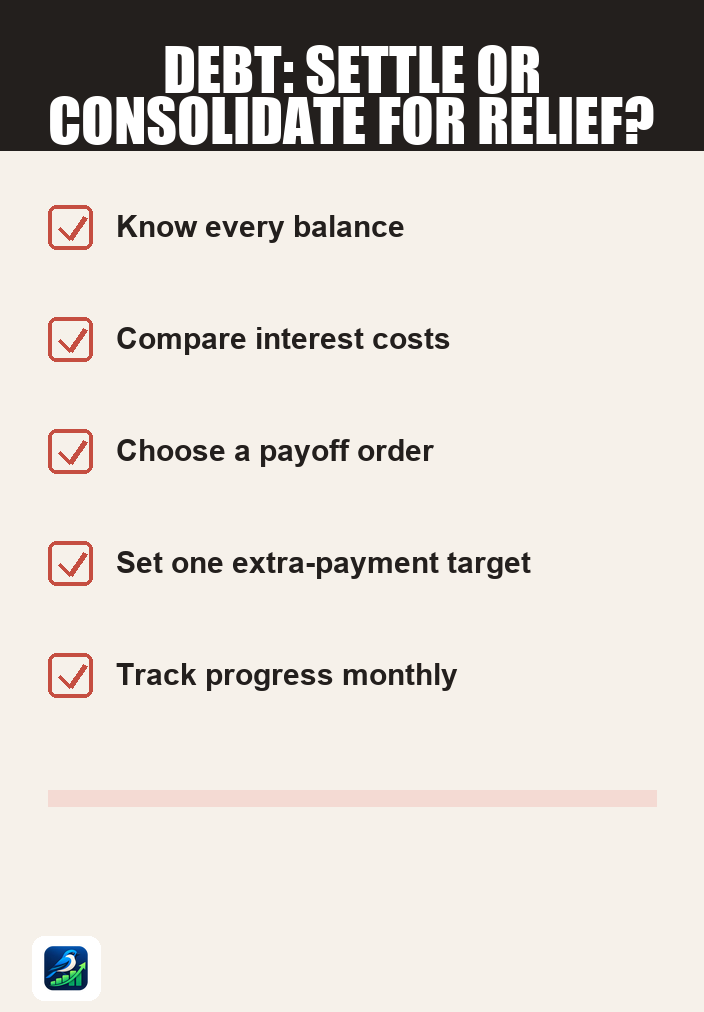
To successfully navigate the debt settlement process, consider the following practical steps:
- Educate Yourself: Research the debt settlement process thoroughly. Understand the potential risks and benefits.
- Document Everything: Keep thorough records of all communications and agreements with creditors.
- Negotiate Wisely: Take your time with negotiations. Don’t accept the first offer without considering your options.
- Evaluate Alternatives: Explore other debt relief options to determine what might work best for your situation.
- Consult Professionals: If necessary, seek the assistance of credit counseling services or financial advisors.
Next Steps
As you navigate your debt settlement journey, remember that it’s essential to stay informed and organized. Avoiding these common missteps can put you in a better position to manage your debts effectively. Begin by assessing your current financial situation, documenting all relevant information, and exploring your options. With careful planning and the right strategies, you can work towards a more manageable financial future.