
Understanding Fixed vs. Variable Consolidation Rates
When it comes to managing debt, choosing the right consolidation strategy is crucial. One key decision you’ll face is whether to opt for a fixed or variable consolidation rate. This choice can significantly affect your financial journey, shaping how much you pay over time and your overall debt management experience. In this article, we’ll explore the differences between fixed and variable rates, their respective pros and cons, and how to determine which might work best for your personal financial situation.
What is Debt Consolidation?
Before diving into the fixed versus variable rate dilemma, it’s essential to clarify what debt consolidation entails. Debt consolidation involves combining multiple debts into a single loan or payment plan, typically with the aim of simplifying payments and potentially lowering interest rates. This strategy can take various forms, including:
- Debt Consolidation Loans: These loans pay off your existing debts, allowing you to focus on repaying one loan.
- Balance Transfer Credit Cards: These cards offer low or zero interest on transferred balances for a limited time.
- Debt Management Plans: Coordinated by credit counseling agencies, these plans can help you manage payments to creditors.
Understanding these options is crucial, as they set the stage for your decision on interest rates.
The Basics of Fixed and Variable Rates
When considering debt consolidation, you’ll encounter two primary types of interest rates: fixed and variable.
Fixed Interest Rates
A fixed interest rate remains constant throughout the life of the loan, meaning your monthly payments will not change. This stability can be comforting, especially during times of economic uncertainty. Here are some key points:
- Predictability: You know exactly how much you’ll pay each month, making budgeting easier.
- Protection from Rate Increases: Even if market rates rise, your rate remains unaffected.
- Long-Term Planning: Fixed rates allow for easier long-term financial planning and goal setting.
Variable Interest Rates
Variable interest rates, on the other hand, fluctuate based on market conditions, typically tied to an index. While these rates can start lower than fixed rates, they come with inherent risks:
- Potential for Lower Initial Costs: Variable rates may begin lower than fixed rates, which can lead to initial savings.
- Uncertainty: Payments can increase if market rates rise, complicating budgeting efforts.
- Opportunity for Decreased Payments: If rates drop, you may benefit from lower payments without needing to refinance.
Weighing Your Options: Fixed vs. Variable Rates
When deciding between fixed and variable rates for your debt consolidation strategy, consider the following factors:
Your Financial Situation
Assess your current financial health. If you have a stable income and can budget effectively, a variable rate might offer some initial savings. Conversely, if your financial situation is uncertain or you prefer stability, a fixed rate may be more suitable.
Market Trends
Keep an eye on interest rate trends. If rates are low and expected to rise, locking in a fixed rate could protect you from future increases. If rates are high and anticipated to decrease, a variable rate might be advantageous.
Loan Terms
Consider the length of time you’ll be repaying the debt. For long-term loans, the predictability of fixed rates may outweigh the initial lower costs of a variable rate. For shorter terms, the variability may have less impact on your overall payment.
Risk Tolerance
Evaluate your comfort level with financial risk. If the thought of fluctuating payments causes anxiety, a fixed rate may provide peace of mind. If you’re open to potential changes in your payment amounts for the chance of savings, consider a variable rate.
Examples to Illustrate Your Choices
Let’s consider a hypothetical scenario to clarify the implications of choosing a fixed versus a variable rate:
Imagine you have $20,000 in credit card debt with an average interest rate of 20%.
- If you choose a fixed consolidation loan at 10% for five years, your monthly payment would be approximately $424, and you would pay about $2,500 in total interest over the life of the loan.
- Alternatively, if you opt for a variable rate starting at 8% for the same period, your initial payment would be about $404. However, if rates rise to 12% midway through the term, your payment could increase to approximately $450, leading to a total of around $3,500 in interest paid.
This example illustrates how initial lower rates can lead to higher long-term costs and emphasizes the importance of understanding potential fluctuations.
Common Drawbacks to Consider
While both fixed and variable rates have their advantages, they also come with drawbacks:
Fixed Rate Drawbacks
- Generally Higher Starting Rates: Fixed rates may be higher than variable rates at the outset.
- Less Flexibility: You cannot take advantage of falling market rates without refinancing.
Variable Rate Drawbacks
- Payment Uncertainty: Your monthly payment could increase, affecting your budgeting.
- Overall Cost Risks: If rates rise significantly, you may end up paying more than with a fixed rate.
Next Steps in Your Debt Strategy
Deciding between fixed and variable consolidation rates requires careful consideration and an understanding of your unique financial situation. Here’s how to move forward:
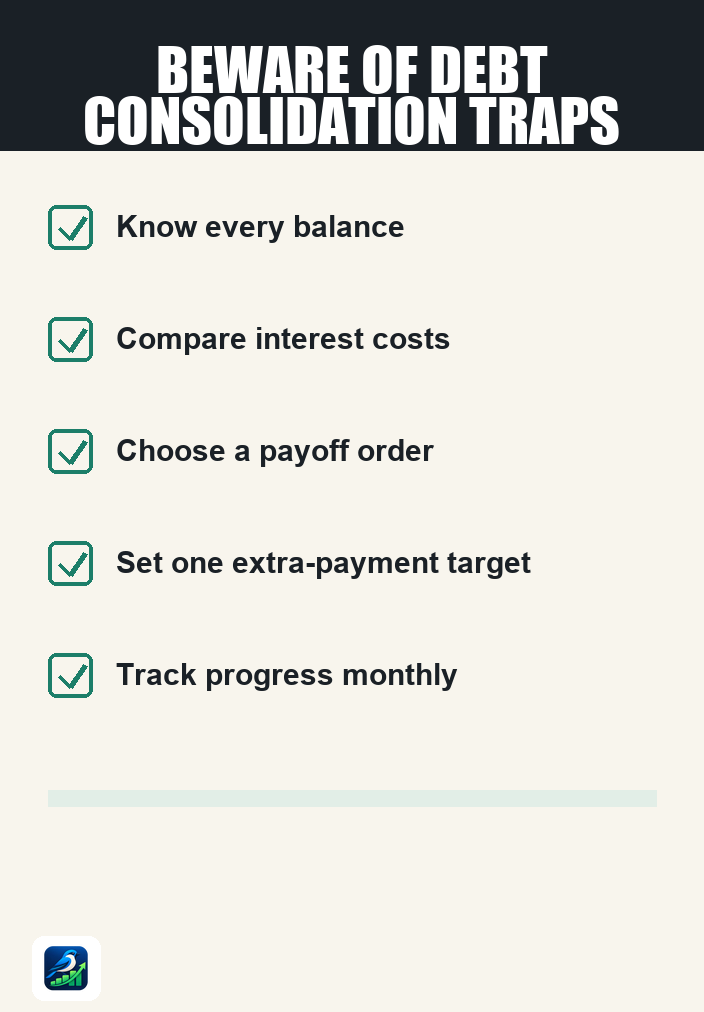
- Assess Your Debt: Gather all your debts, interest rates, and monthly payments.
- Evaluate Your Budget: Determine how much you can afford to pay each month comfortably.
- Research Options: Look into various consolidation options available to you, including terms and rates.
- Consult Professionals: Consider speaking with a financial advisor or credit counselor to explore the best options for your situation.
Making informed decisions about fixed versus variable consolidation rates can empower you to take control of your debt, paving the way for a more secure financial future.



















