
Understanding Your Financial Situation After an Income Drop
Experiencing a drop in income can be stressful, especially when you have debts to manage. The first step in addressing this situation is to fully understand your financial landscape. Start by assessing your current income, expenses, and debts. This will help you gain clarity on how much you can allocate toward debt payments without sacrificing essential expenses.
Creating a Detailed Budget
A budget is your roadmap to financial stability. Here’s how to create one that allows you to manage debt while covering essential expenses:
- List Your Income: Include all sources of income, even if they are temporary or part-time.
- Identify Essential Expenses: Focus on necessary costs such as housing, utilities, groceries, transportation, and health care.
- Calculate Discretionary Spending: This includes entertainment, dining out, and non-essential purchases. Identify areas where you can cut back.
- Track Your Spending: Keep an eye on your expenses to ensure they align with your budget. Use budgeting apps or spreadsheets for tracking.
By having a clear view of your finances, you can make informed decisions about how much you can afford to pay toward your debts.
Prioritizing Debt Payments
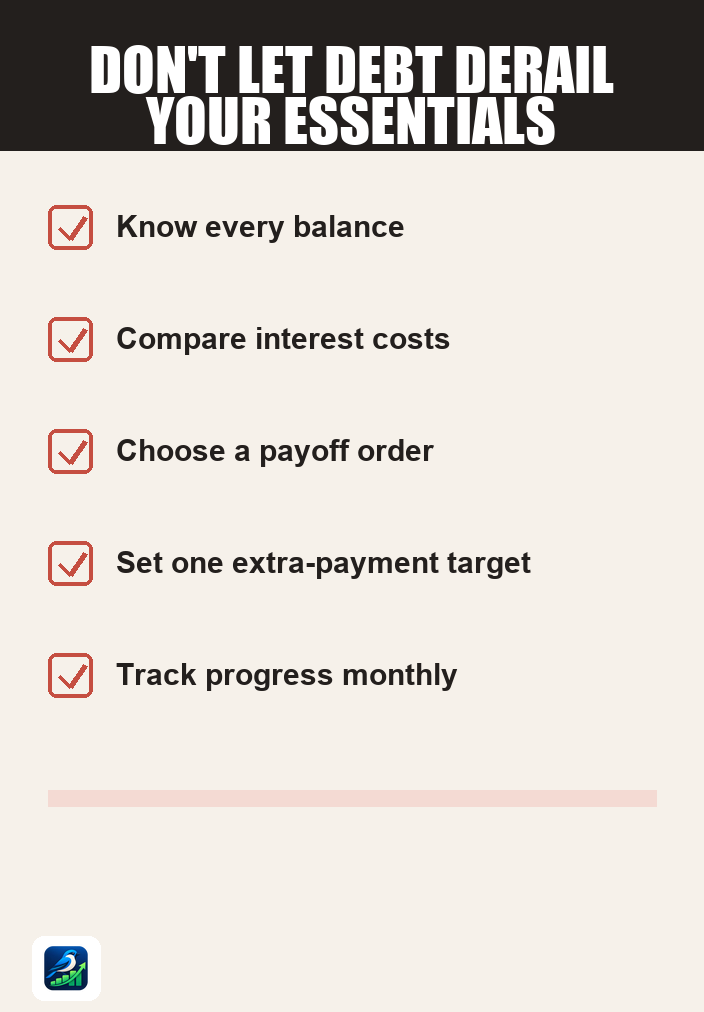
Not all debts are created equal. It’s crucial to prioritize which debts to pay off first. Here are a couple of approaches:
The Snowball Method
This method involves paying off your smallest debts first. Once a small debt is eliminated, you can redirect that payment toward the next smallest debt. This approach can provide psychological benefits and motivation as you see debts disappear.
The Avalanche Method
Alternatively, you might consider paying off debts with the highest interest rates first. This approach can save you money on interest payments in the long run but may take longer to see debts disappear. Choose the method that feels more motivating and manageable for you.
Exploring Debt Management Options
If your situation is more complex, consider these options for managing debt:
Debt Consolidation
This involves combining multiple debts into a single loan, typically with a lower interest rate. While it can simplify payments, it’s important to understand the terms of the new loan and any potential fees.
Debt Management Plans
A debt management plan (DMP) involves working with a credit counseling agency to create a structured repayment plan. You make a single monthly payment to the agency, which then distributes the funds to your creditors. While this can lower monthly payments, be cautious of fees associated with these services.
Debt Settlement
Debt settlement involves negotiating with creditors to pay less than what you owe. This can have significant implications for your credit score and may involve tax consequences. It’s not a suitable option for everyone and should be approached with caution.
Bankruptcy
If your financial situation is dire, bankruptcy may be a last resort. It can provide relief from debts but has long-term impacts on your credit. Consult a legal professional to understand the ramifications and whether it’s the right choice for you.
Communicating with Creditors
Don’t hesitate to reach out to your creditors if you’re experiencing financial difficulties. Many creditors offer hardship programs or flexible payment options. Here’s how to approach these conversations:
- Be Honest: Clearly explain your situation and what you’re asking for (e.g., lower payments, a temporary deferment).
- Document Everything: Keep records of all communications, including dates, names, and details of your discussions.
- Stay Calm: Approach the conversation with professionalism; creditors are more likely to work with you if you are respectful and composed.
Adjusting Your Lifestyle
Sometimes, making temporary adjustments to your lifestyle can help relieve financial pressure. Consider the following:
Cutting Non-Essential Expenses
Evaluate subscriptions, dining out, and entertainment expenses. Reducing these can free up funds for debt payments. For example, if you typically spend $200 a month on dining out, cutting that in half could help you allocate more to your debt.
Finding Additional Income
Explore opportunities for side jobs or freelance work. Even a few extra hours a week can provide significant relief. Consider skills you can leverage, like writing, tutoring, or pet-sitting.
Building an Emergency Fund
While it may seem counterintuitive to save when you’re in debt, having a small emergency fund can prevent you from adding more debt in the future. Aim to set aside a modest amount each month. Even a few hundred dollars can act as a buffer against unexpected expenses.
Next Steps
After reviewing your finances and considering your options, take actionable steps:
- Finalize your budget and identify your debt repayment strategy.
- Communicate with creditors about your situation.
- Explore debt management options if necessary.
- Consider lifestyle adjustments to improve your financial situation.
- Start building a small emergency fund.
Remember, managing debt after an income drop is challenging, but with careful planning and communication, you can navigate through it without sacrificing your essential expenses.



















