
Understanding Your Financial Situation After an Income Drop
Experiencing an income drop can be a shock to your financial system, especially if you have existing debt. The good news is that with careful planning and the right strategies, you can manage your debt effectively without making costly mistakes. First things first: take a deep breath and assess your financial situation. Understanding where you stand is crucial.
Assessing Your Debt and Expenses
Begin by making a detailed list of your debts, including the amount owed, interest rates, monthly payments, and due dates. This will provide clarity on what you’re dealing with. Next, take a hard look at your monthly expenses. Identify necessary costs such as housing, utilities, and groceries, and distinguish them from discretionary spending like dining out or entertainment.
- List your debts: Write down each creditor, balance, interest rate, and minimum payment.
- Track your expenses: Categorize your spending into essentials and non-essentials.
By having a clear picture of your debts and expenses, you can prioritize which debts to tackle first and identify areas where you can cut back.
Creating a Realistic Budget
Once you’ve assessed your financial situation, it’s time to create a budget that reflects your new income level. Your budget should focus on covering essential expenses while still addressing your debt obligations. Here are some steps to help you create a budget:
- Calculate your new income: Determine your total monthly income after the drop, including any side gigs or assistance.
- List your essential expenses: Include rent/mortgage, utilities, groceries, and transportation.
- Allocate funds for debt payments: Make sure to include at least the minimum payments for all debts.
- Adjust discretionary spending: Cut back on non-essential expenses to free up cash for debt repayment.
Stick to this budget as closely as possible, and revisit it regularly to make adjustments as your financial situation changes.
Communicating with Creditors
Don’t hesitate to reach out to your creditors if you’re struggling to make payments. Many creditors have programs in place for individuals experiencing financial hardship. Some options might include:
- Payment plans: Request a temporary reduction in payments or an extension on due dates.
- Interest rate reductions: Inquire about lowering your interest rates to make payments more manageable.
Open communication can prevent late fees and damage to your credit score, so it’s in your best interest to keep your creditors informed about your situation.
Exploring Debt Repayment Strategies
There are various strategies for repaying debt that can be effective, especially after an income drop. Here are a few popular methods:
Debt Snowball Method
This method involves paying off your smallest debts first while making minimum payments on larger debts. Once the smallest debt is paid off, you move on to the next smallest. The psychological boost from quickly eliminating small debts can motivate you to keep going.
Debt Avalanche Method
In contrast, the debt avalanche method focuses on paying off debts with the highest interest rates first. This approach can save you money on interest over time, but it may take longer to see the payoff of individual debts.
Consolidation Options
Debt consolidation can be a viable option if you have multiple debts with varying interest rates. This involves taking out a single loan to pay off several debts, ideally at a lower interest rate. However, be cautious:
- Understand the terms of the consolidation loan.
- Be aware that it doesn’t eliminate debt; it just simplifies payments.
- Consider fees or changes in interest rates that could affect your overall debt.
Always weigh the pros and cons before deciding on consolidation.
Considering Professional Help
If your debt situation feels overwhelming, you may want to consider professional assistance. Options include:
- Credit counseling: Non-profit organizations can help you create a debt management plan.
- Debt settlement: This involves negotiating with creditors to settle for less than the full amount owed. However, it can negatively impact your credit score and is not suitable for everyone.
- Bankruptcy: As a last resort, filing for bankruptcy can provide relief, but it has serious long-term consequences for your credit.
Consulting a financial advisor or legal professional can provide insights tailored to your specific situation.
Avoiding Costly Mistakes
While navigating debt repayment, be aware of common pitfalls that can hinder your progress:
- Ignoring your budget: Failing to stick to your budget can lead to overspending and further debt accumulation.
- Neglecting communication: Not keeping your creditors informed can lead to missed payments and increased debt.
- Relying on high-interest loans: Avoid payday loans or title loans, which can trap you in a cycle of debt.
Next Steps for Managing Your Debt
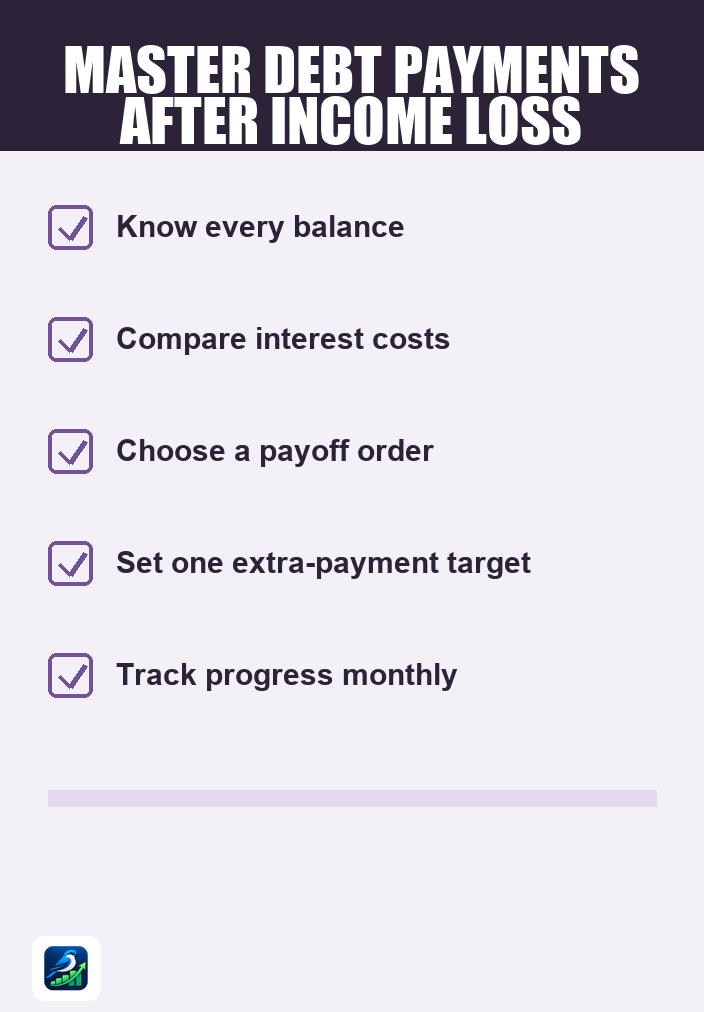
Here’s a practical approach to take as you work on paying off your debt after an income drop:
- Assess your debts and expenses in detail.
- Create a realistic budget that prioritizes essentials and debt payments.
- Communicate with your creditors about your situation.
- Choose a debt repayment strategy that suits your emotional and financial needs.
- Consider professional help if needed, but be cautious about the options you choose.
By taking these steps, you can effectively navigate your financial challenges and work towards a debt-free future.



















