
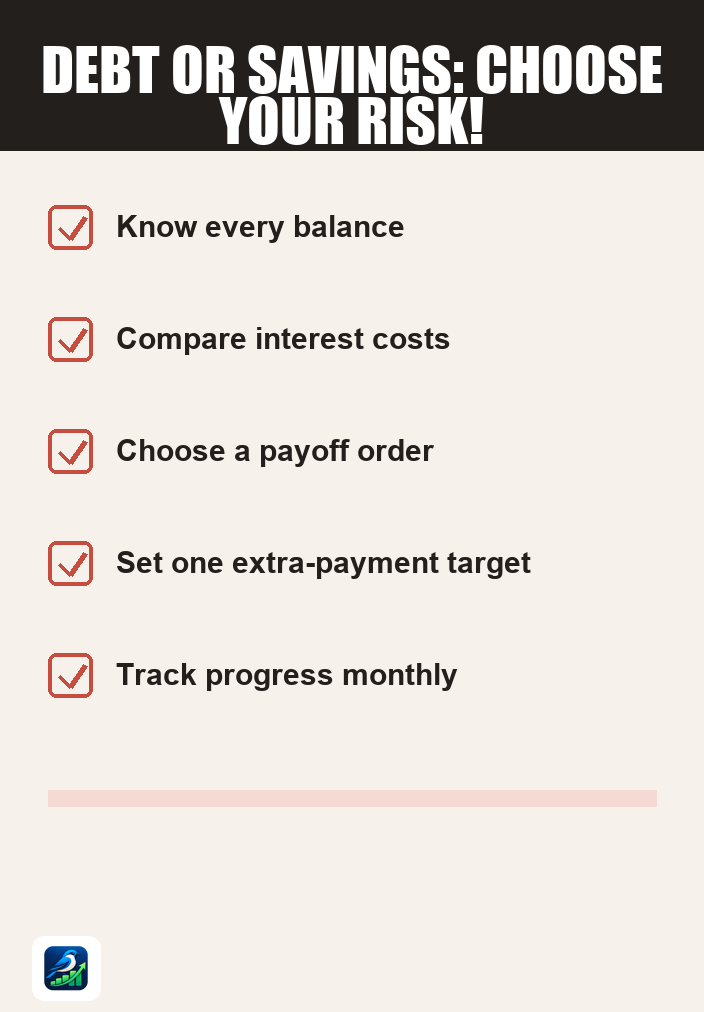
Understanding the Dilemma: Paying Off Debt vs. Building Savings
When faced with debt, many adults find themselves at a crossroads: should they focus on paying off their debt, or should they prioritize building their savings? This decision can be complex and varies greatly depending on individual circumstances. In this article, we’ll explore the trade-offs between these two financial strategies and help you understand which might save you more in the long run.
The Case for Paying Off Debt
Paying off debt can provide immediate financial relief and peace of mind. When you eliminate high-interest debt, you can save significantly on interest payments over time. Here are some reasons why focusing on debt repayment might be beneficial:
- Interest Savings: High-interest debt, such as credit cards, can accumulate quickly. The sooner you pay it off, the less interest you’ll pay overall.
- Improved Cash Flow: Eliminating monthly debt payments frees up more of your income for other expenses or savings.
- Enhanced Credit Score: Reducing your debt-to-income ratio and paying down balances can positively impact your credit score.
Example of Interest Savings
Consider a credit card balance of $5,000 at an interest rate of 20%. If you only make the minimum payment, you could end up paying thousands in interest over several years. Conversely, by focusing on paying off this balance aggressively, you can save on those interest payments and become debt-free sooner.
The Importance of Building Savings
On the flip side, building savings is crucial for financial security. A solid savings account can provide a safety net, allowing you to handle unexpected expenses without resorting to debt. Here are some reasons to consider saving:
- Emergency Fund: Having a reserve of cash can protect you from financial shocks, such as medical bills or car repairs.
- Investment Opportunities: Savings can be used for future investments, such as home purchases or retirement accounts, which can grow your wealth over time.
- Reduced Financial Stress: Knowing you have savings can alleviate anxiety about financial uncertainties.
Saving vs. Interest Rates
When considering savings, it’s vital to remember that if your savings account earns interest, it may offset some of your debt interest. However, interest rates on savings accounts are generally much lower than those on most debts, especially credit cards.
Evaluating Your Financial Situation
To determine whether to pay off debt or build savings, you need to evaluate your financial situation. Here are some factors to consider:
- Debt Type: Identify if your debts are high-interest (like credit cards) or low-interest (like student loans). Prioritize high-interest debts for quicker payoff.
- Current Savings: Assess if you have any emergency savings. If not, it may be wise to build a small buffer before tackling debt.
- Income Stability: Evaluate your job security. If your income is uncertain, having savings can be more critical.
Creating a Balanced Approach
Finding a middle ground can often be the most effective strategy. Here’s how you can balance paying off debt while building savings:
- Set Up an Emergency Fund: Aim to save at least $1,000 initially. This can help cover minor emergencies without adding to your debt.
- Debt Snowball Method: Focus on paying off the smallest debts first while making minimum payments on larger debts. This can provide a psychological boost and help you stay motivated.
- Allocate Extra Funds: Whenever you receive unexpected income, like a bonus or tax refund, consider allocating a portion to both debt repayment and savings.
Example of a Balanced Approach
If you have $500 extra each month, consider saving $200 for your emergency fund and using $300 for debt repayment. This way, you’re not neglecting either aspect of your financial health.
Understanding Alternatives to Manage Debt
If you find managing debt overwhelming, there are several options available. However, each comes with its own set of pros and cons:
- Debt Consolidation: Combining multiple debts into a single loan can lower interest rates and simplify payments, but it may extend the repayment timeline.
- Debt Management Plans: Working with a credit counseling agency can help you create a structured plan, but it may involve monthly fees.
- Debt Settlement: Negotiating with creditors to settle your debt for less than you owe can be effective, but it can damage your credit score and may have tax implications.
- Bankruptcy: This is a last resort that can discharge many debts, but it can have long-lasting effects on your credit and financial future.
Making Your Decision
Deciding whether to focus on paying off debt or building savings depends on your unique financial landscape. Take the time to assess your situation, weigh the pros and cons, and consider a balanced approach that incorporates both strategies. The key is to make informed decisions and adjust your plan as your financial circumstances evolve.
Next Steps: Taking Action
To get started on your journey toward financial health, follow these steps:
- Conduct a thorough assessment of your debts and savings.
- Create a budget that reflects your priorities in both debt repayment and savings.
- Set realistic goals for both paying off debt and building savings.
- Monitor your progress regularly and adjust your strategy as needed.
Remember, there is no one-size-fits-all answer. The best strategy is one that aligns with your financial goals and provides you with peace of mind.



















