
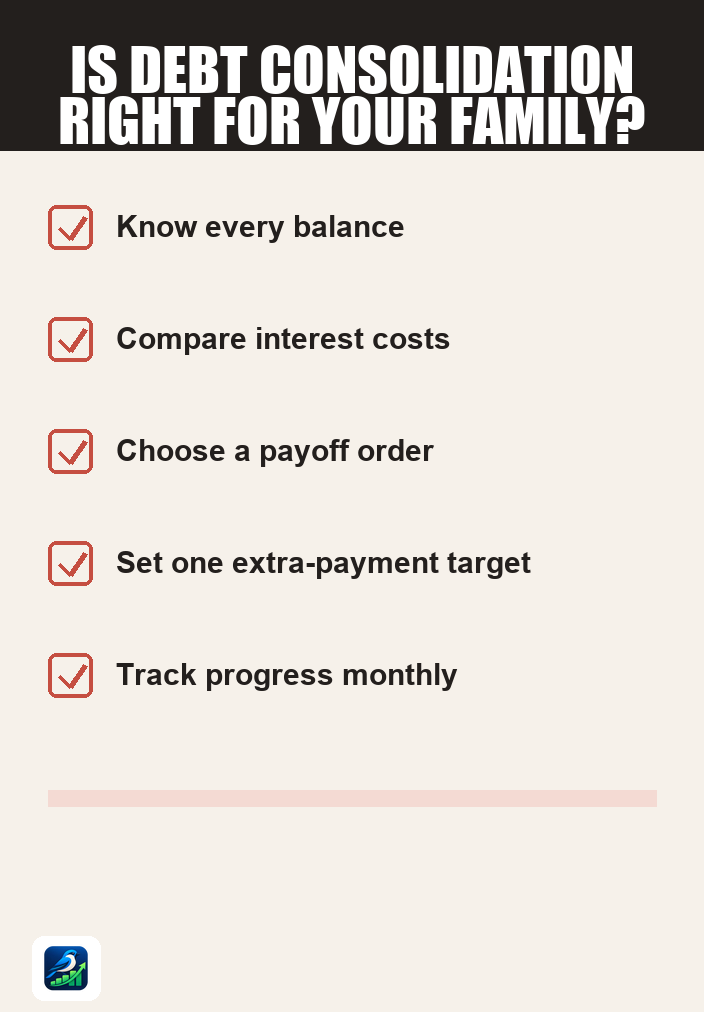
Understanding Credit Card Debt Consolidation
If you’re a low-income family struggling with credit card debt, the idea of consolidating your debts can seem appealing. Debt consolidation typically involves combining multiple debts into a single loan or payment plan to simplify your financial situation. However, before you leap into this process, it’s crucial to ask yourself a few key questions to ensure that you’re making the right decision.
What Is Your Current Financial Situation?
The first step in considering debt consolidation is to assess your current financial situation. Take a close look at your income, expenses, and existing debts. Here are some factors to consider:
- Monthly Income: What is your total household income? Make sure to include all sources of income.
- Monthly Expenses: Calculate your essential expenses, such as housing, utilities, groceries, and minimum debt payments.
- Total Debt: How much credit card debt do you have? List each account along with its balance and interest rate.
Understanding your financial landscape will help you determine whether debt consolidation is a feasible option for you.
What Type of Debt Consolidation Option Fits Your Needs?
There are several options for consolidating credit card debt, each with its own pros and cons. Consider the following:
1. Personal Loan Consolidation
One common method is to take out a personal loan to pay off your credit card debt. This can be beneficial if you can secure a lower interest rate. However, be aware that personal loans may come with fees and require a good credit score.
2. Balance Transfer Credit Card
Another option is a balance transfer credit card, which allows you to move your existing credit card debt to a new card, often with an introductory 0% interest rate. While this can save you money, you must pay off the balance before the promotional period ends to avoid high-interest rates.
3. Debt Management Plans
Working with a credit counseling agency can help you set up a debt management plan (DMP). This method consolidates your debts into one monthly payment, and the agency negotiates with creditors on your behalf. However, it may take several years to complete the plan.
4. Debt Settlement
Debt settlement involves negotiating with creditors to pay less than what you owe. This option can significantly impact your credit score and may require you to stop making payments, which could lead to collection actions.
What Are the Potential Risks and Drawbacks?
While debt consolidation may seem like a straightforward solution, it’s essential to be aware of the potential risks involved:
- Higher Interest Rates: If you don’t secure a lower interest rate, you may end up paying more overall.
- Fees: Some consolidation options come with application fees, origination fees, or balance transfer fees that can add to your debt.
- Impact on Credit Score: Depending on the method you choose, your credit score may be negatively affected. For example, a balance transfer could temporarily lower your score.
- Longer Repayment Period: Some consolidation options may extend the time it takes to pay off your debt, resulting in more interest paid over time.
Will You Be Able to Maintain Payments?
One of the most crucial questions to ask is whether you will be able to keep up with the new payment plan. Consider these factors:
- Budgeting: Can you create a budget that allows for the new consolidated payment while covering your essential expenses?
- Emergency Fund: Do you have a small emergency fund in place to avoid taking on more debt in case of unexpected expenses?
- Income Stability: Is your income stable enough to ensure that you can commit to the new payment plan for the duration of the loan or program?
What Alternatives Are Available?
If consolidation seems daunting or unsuitable, there are alternatives to consider:
- Negotiate Directly with Creditors: Sometimes, creditors may be willing to lower your interest rates or set up a more manageable payment plan.
- Credit Counseling: Seeking help from a non-profit credit counseling service can provide insight into your financial situation and help you formulate a plan without consolidating your debt.
- Bankruptcy: As a last resort, bankruptcy can provide relief from overwhelming debt, but it comes with long-lasting effects on your credit score and financial future. Consulting with a legal professional is advisable if considering this route.
Have You Considered the Long-Term Impact?
Debt consolidation can provide short-term relief, but it’s essential to think about the long-term implications. Reflect on the following:
- Future Financial Goals: How does debt consolidation fit into your long-term financial goals, such as saving for retirement or buying a home?
- Behavioral Change: Are you prepared to change your spending habits to prevent falling back into debt after consolidation?
Next Steps: Making an Informed Decision
Before deciding to consolidate your credit card debt, take the time to answer these questions fully. Gather your financial information, weigh the options, and assess your ability to commit to a new payment structure. Consider consulting with a financial advisor or a credit counseling service for personalized guidance tailored to your unique situation.
Ultimately, the goal is to find a solution that alleviates your financial stress without leading to further complications down the road. Taking a thoughtful, informed approach will help you navigate your debt more effectively.



















