
Identifying Common Mistakes in Debt Payoff Strategies
When it comes to managing and paying off debt, many individuals unknowingly make errors that can prolong their financial struggles. Understanding these common mistakes is the first step toward creating a more effective debt payoff strategy. Here are some pitfalls to watch for:
1. Ignoring Interest Rates
One of the most significant mistakes is failing to consider the interest rates associated with various debts. Not all debts are equal; credit cards often have higher interest rates than personal loans or student loans. Without prioritizing higher-interest debts, you may end up paying more over time.
2. Making Only Minimum Payments
Sticking to minimum payments might seem like a safe option, but this strategy can extend the life of your debt significantly. Minimum payments cover only interest and a small portion of the principal, meaning you could be in debt for years longer than necessary.
3. Not Having a Budget
A budget is essential for understanding where your money goes and how much you can allocate towards debt repayment. Many people dive into repayment without a clear budget and end up mismanaging their finances, leading to missed payments and additional fees.
4. Overlooking the Importance of an Emergency Fund
While it may seem counterintuitive to save while in debt, having an emergency fund can prevent you from accruing more debt. Unexpected expenses can derail your repayment plan, so having a cushion can help you stay on track.
5. Relying Solely on Debt Consolidation
Debt consolidation can be a useful tool, but it isn’t a one-size-fits-all solution. Many individuals mistakenly believe that consolidating their debts will automatically improve their financial situation. However, if you don’t change your spending habits or make a solid repayment plan, you may find yourself in the same situation in the future.
Understanding Debt Recovery Options
After recognizing common mistakes, it’s crucial to explore realistic recovery options. Here are some strategies to consider:
1. Debt Management Plans
Debt management plans (DMPs) involve working with a credit counseling agency to create a repayment plan that fits your budget. This approach may lower interest rates or waive fees, allowing you to pay off debt more efficiently. However, you need to commit to the plan over a set period, usually three to five years.
2. Debt Consolidation
Debt consolidation combines multiple debts into one single loan, typically with a lower interest rate. This can simplify your payments and potentially reduce your overall interest costs. However, it’s essential to evaluate the terms and fees associated with the consolidation loan, as they can sometimes negate the benefits.
3. Debt Settlement
Debt settlement involves negotiating with creditors to pay a lump sum that is less than the total owed. While this can offer a way out of debt, it’s not without risks. Settling can negatively impact your credit score and may lead to tax implications, as forgiven debt can be considered taxable income. It’s also not guaranteed that creditors will agree to settle.
4. Bankruptcy
Bankruptcy should be considered a last resort. It can provide a fresh start by discharging many types of debt, but it also has long-lasting effects on your credit report. There are different forms of bankruptcy, such as Chapter 7 and Chapter 13, each with its own implications and eligibility requirements. Consulting a professional is advisable if you’re considering this option.
Weighing the Trade-offs
All debt recovery options come with their pros and cons. Understanding these trade-offs can help you make informed decisions:
- Debt Management Plans: Can improve your financial habits but require discipline and commitment.
- Debt Consolidation: Simplifies payments but may extend your repayment period if not managed properly.
- Debt Settlement: Offers potential savings but may damage your credit score and require negotiation skills.
- Bankruptcy: Provides relief from debt but has serious long-term consequences on your financial future.
Next Steps for Financial Recovery
Once you’ve assessed your current situation and recognized common mistakes, consider taking the following steps:
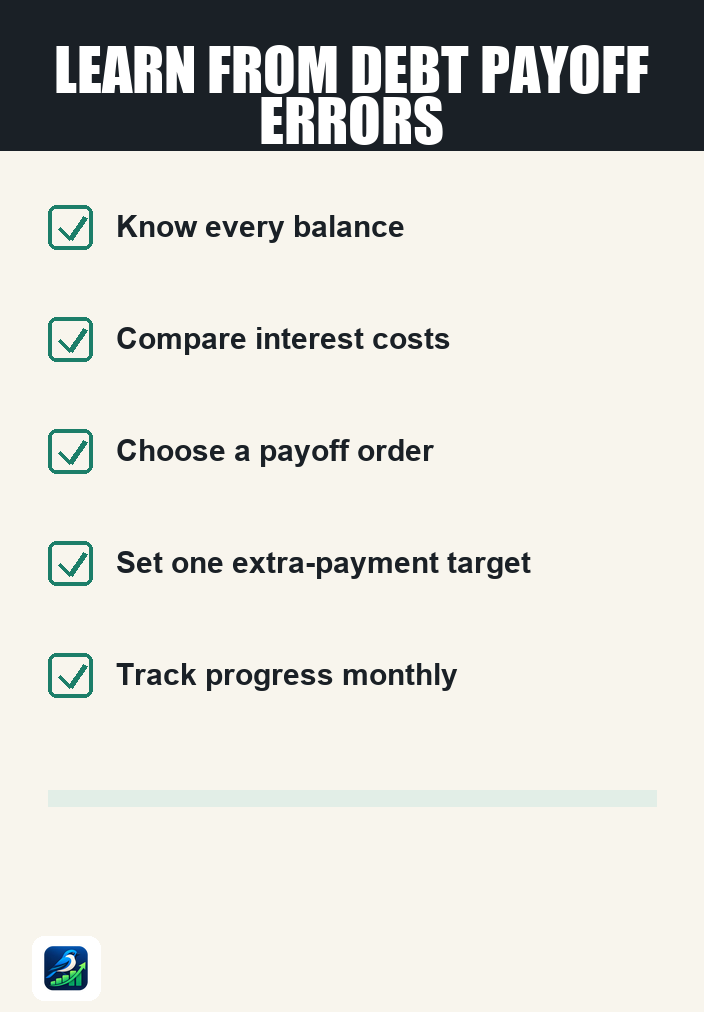
- Evaluate your debts: List out all debts, including balances and interest rates.
- Create a budget: Understand your income and expenses to allocate funds for debt repayment.
- Connect with a credit counselor: They can provide guidance and help you assess your options.
- Consider which repayment strategy aligns with your financial goals and lifestyle.
- Establish an emergency fund to avoid falling back into debt.
By acknowledging common pitfalls and exploring the various options available, you can develop a more effective strategy for managing and ultimately overcoming your debt. Remember, the journey to financial recovery is a process that requires patience and dedication.



















