Understanding Debt Relief Scams: Key Signs to Watch For
Debt relief can be a lifeline for those struggling with overwhelming consumer debt. However, it’s crucial to recognize that the path to financial freedom is littered with scams that prey on vulnerable individuals. Knowing how to spot these scams can save you time, money, and stress. This article outlines the signs of debt relief scams and provides practical advice on how to protect yourself.
What Are Debt Relief Scams?
Debt relief scams typically involve companies or individuals promising to help you reduce or eliminate your debt, often for an upfront fee. They may use high-pressure tactics, misleading information, or unrealistic promises to entice you into their services. Understanding the different types of debt relief options can help you identify which services are legitimate and which are not.
Common Signs of Debt Relief Scams
Here are several red flags to help you recognize potential scams in the debt relief industry:
1. High Upfront Fees
Legitimate debt relief services often charge fees based on the work they do, typically after achieving results. If a company asks for a significant upfront payment before providing any services, it’s a major warning sign.
- Look for companies that offer a free consultation or initial assessment.
- Be wary of any organization that insists on payment before delivering results.
2. Promises of Guaranteed Results
No debt relief solution can guarantee specific outcomes, such as a set percentage of debt reduction or a rapid improvement in your credit score. If a company makes such promises, proceed with caution.
- Ask about their process and the risks involved.
- Understand that outcomes depend on many factors, including your financial situation and willingness to cooperate.
3. Lack of Transparency
If a company is not forthcoming about its fees, processes, or terms, it raises a red flag. You should feel comfortable asking questions and receiving clear answers.
- Request a written agreement outlining all fees and services.
- Ensure you understand any potential risks or consequences of their services.
4. Pressure Tactics
Scammers often use high-pressure sales tactics to create a sense of urgency. If you feel rushed into making a decision, it’s a sign to step back.
- Take your time to research and compare options.
- Consult with trusted financial advisors or friends before committing.
5. Claims to Be “Debt Settlement Experts”
While some companies genuinely help with debt settlement, others may misrepresent their expertise. Be cautious of those who claim to have specialized knowledge without clear credentials.
- Research the company’s history and customer reviews.
- Check if they are accredited by relevant organizations or agencies.
Understanding Legitimate Debt Relief Options
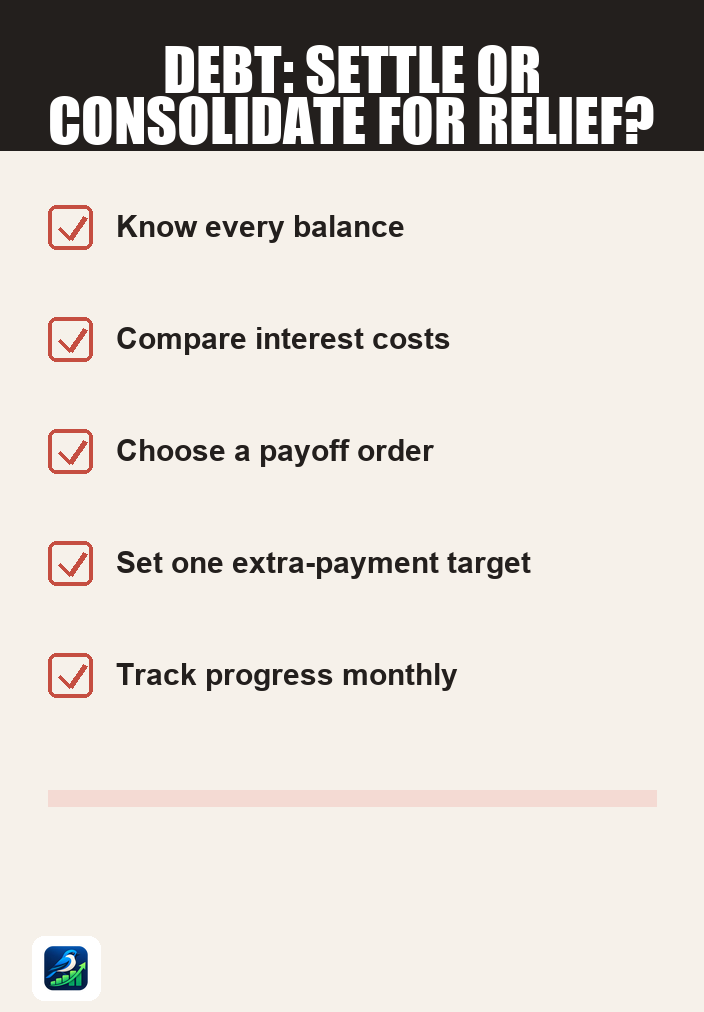
To make informed decisions, it’s essential to understand the various debt relief options available and their implications.
- Debt Consolidation: This involves combining multiple debts into one loan with a potentially lower interest rate. While it simplifies payments, it doesn’t reduce the overall debt.
- Debt Management Plans: Offered by credit counseling agencies, these plans help you create a budget and may negotiate with creditors on your behalf. They typically involve a monthly fee but can be a legitimate option.
- Debt Settlement: This approach involves negotiating with creditors to settle for less than the total owed. It may negatively impact your credit score and is not suitable for everyone.
- Bankruptcy: A legal process to discharge debts. It can provide relief but comes with long-term consequences for your credit standing.
Next Steps: Protecting Yourself from Scams
Staying informed is your best defense against debt relief scams. Here are some practical steps to take:
- Research companies thoroughly, looking for reviews and complaints.
- Consult with a certified credit counselor or financial advisor for personalized guidance.
- Consider nonprofit credit counseling services that provide free or low-cost assistance.
In conclusion, while seeking debt relief is a positive step, it’s essential to remain vigilant. By recognizing the signs of scams and understanding your options, you can navigate your financial journey more safely and effectively. Always take the time to research and consult trusted sources before making any decisions. Your financial health is worth the effort.