
Understanding Unseen Expenses
When managing a budget, many individuals focus on the obvious expenses: rent, utilities, groceries, and debt payments. However, there are many unseen expenses that quietly chip away at your finances. These may include subscriptions, small recurring charges, and lifestyle habits that don’t seem significant on their own. By identifying and cutting these unseen expenses, you can free up additional funds to make extra debt payments, ultimately helping you to reduce your debt more quickly.
Identifying Unseen Expenses
The first step in rethinking your budget is to identify what these unseen expenses are. Here are a few categories to consider:
- Subscriptions: Monthly subscriptions for streaming services, magazines, or apps can accumulate quickly. Reflect on which ones you actually use and enjoy.
- Dining Out: Those small takeout meals or coffee shop visits can add up. Track your spending on food outside the home for a month.
- Shopping Impulses: Small, unplanned purchases often escape our notice. Keep a log of these transactions to see where your money is going.
- Memberships: Gym memberships or clubs that you rarely use are common unseen expenses. Evaluate whether the cost is worth the usage.
- Fees: Monthly service fees or overage charges from your bank can be avoided. Review your bank statements for these hidden costs.
Analyzing Your Spending Habits
Once you’ve identified potential unseen expenses, it’s essential to analyze your spending habits to see where you can make cuts. Here’s how to do that:
- Track Your Expenses: Use a budgeting app or spreadsheet to log every expense for at least a month. This helps you gain visibility into your spending patterns.
- Categorize Your Expenses: Divide your expenses into essentials (like housing and food) and non-essentials (like entertainment and dining out). This will help you see which areas have the most room for cuts.
- Reflect on Necessity: For each non-essential item, ask yourself if it’s a need or a want. If it’s a want, consider whether you can live without it.
Making Cuts
After analyzing your expenses, it’s time to make some cuts. Here are specific strategies to reduce your budget:
- Cancel Unused Subscriptions: If you find subscriptions you rarely use, cancel them. Consider using free or lower-cost alternatives.
- Limit Dining Out: Set a monthly limit for eating out and stick to it. Try cooking at home more often to save money.
- Reduce Impulse Purchases: Implement a 30-day rule: wait 30 days before making any non-essential purchases. This can help curb impulse buying.
- Negotiate Fees: Contact your bank or service providers to ask about waiving fees or lowering rates. You may be surprised at how often they’re willing to accommodate.
Redirecting Savings to Debt Payments
Once you’ve made cuts to your budget, the next step is to redirect those savings toward your debt. Here’s how:
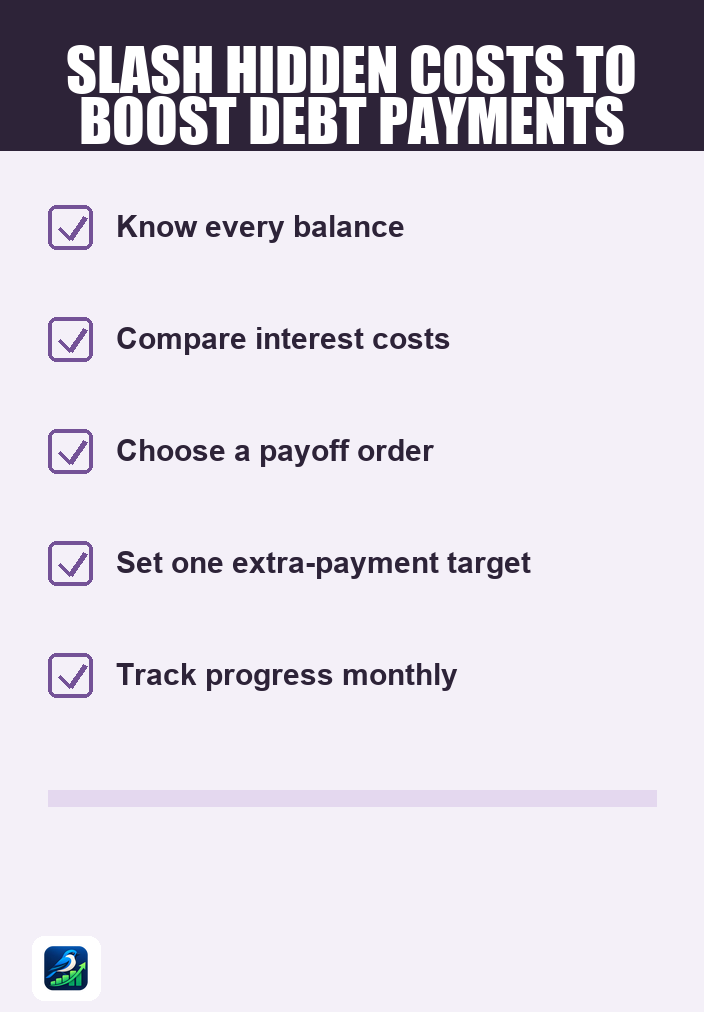
- Establish a Debt Payment Plan: Determine how much extra you can afford to pay toward your debts each month. This requires understanding your total debt amounts, interest rates, and minimum payment requirements.
- Choose a Debt Payoff Strategy: Consider strategies like the avalanche method (paying off debts with the highest interest rates first) or the snowball method (paying off the smallest debts first). Choose one that resonates with you.
- Set Up Automatic Payments: To ensure that your extra payments are made consistently, consider setting up automatic transfers to your debt accounts.
Examples of Impact
Let’s look at a hypothetical example to illustrate how cutting unseen expenses can make a difference:
Imagine you identify and eliminate $100 in monthly subscriptions and reduce dining out expenses by $75. That’s a total of $175 in savings each month. If you use this amount to make additional payments on a credit card with a $2,000 balance at a 15% interest rate, you could significantly reduce the overall interest paid and pay off the debt faster.
Understanding Trade-offs
While cutting unseen expenses can help accelerate debt repayment, it’s essential to understand the trade-offs involved. For instance:
- Reduced Enjoyment: Cutting back on dining out or subscriptions may lead to less enjoyment in your day-to-day life. Balance is key.
- Potential Impact on Lifestyle: If you cut too deeply, it may affect your quality of life or lead to feelings of deprivation. It’s important to find a sustainable approach.
- Time Investment: Tracking expenses and finding ways to cut costs takes time and effort. Ensure you’re willing to commit to this process.
Next Steps
Rethinking your budget and cutting unseen expenses can be a powerful tool in your debt repayment journey. Here are some practical next steps:
- Start tracking your expenses today to see where your money is going.
- Identify at least three unseen expenses you can cut this month.
- Redirect those savings to your debt repayment plan and watch your progress.
By taking these steps, you can create a more manageable budget and find additional funds to tackle your debt. Remember, every little bit helps when it comes to financial recovery.



















