Understanding Debt Relief Scams
Debt relief scams can be a daunting reality for those struggling with consumer debt. As you seek solutions to manage or reduce your debt, it’s crucial to recognize the red flags that may indicate a scam. Awareness and knowledge are your best tools in navigating this landscape.
Common Red Flags of Debt Relief Scams
Identifying potential scams early can save you time, money, and frustration. Here are some common red flags to watch out for:
- Promises of Quick Fixes: Be wary of any service that promises rapid debt reduction or elimination. Legitimate debt relief takes time and effort; no one can guarantee immediate results.
- Upfront Fees: If a company demands payment before providing services, it’s a significant warning sign. Many reputable organizations operate on a pay-for-performance basis.
- Lack of Transparency: If a company is unwilling to disclose its fees, processes, or terms in writing, this is a major red flag. A reliable service should be clear about what you can expect.
- Pushing for Personal Information: Scammers often request sensitive personal information too soon. Always be cautious about sharing details like your Social Security number or bank account information.
- Pressure Tactics: High-pressure sales tactics are common in scams. If a representative is pushing you to make a decision quickly, take a step back and reassess.
Understanding Debt Relief Options
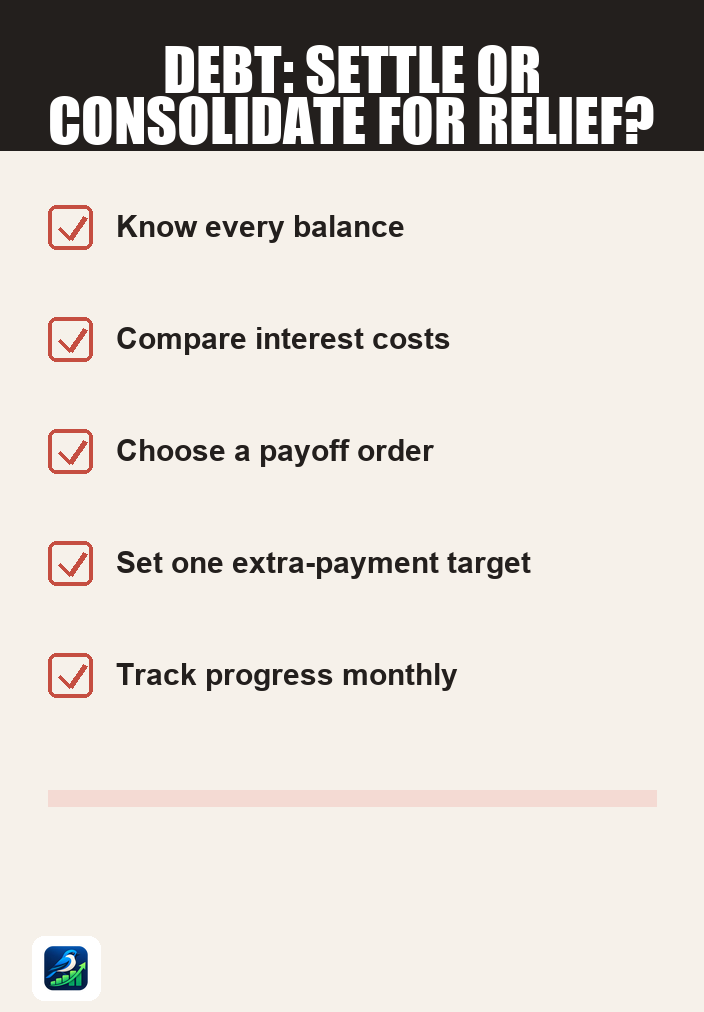
To avoid falling victim to scams, it’s essential to understand the various debt relief options available. Each has its own advantages and disadvantages:
Debt Consolidation
This involves combining multiple debts into a single loan, typically at a lower interest rate. While it can simplify payments, it doesn’t address the root cause of debt and may extend the repayment period.
Debt Management
In a debt management plan, a credit counseling agency works with your creditors to help you lower payments and interest rates. However, this requires a commitment to a structured repayment plan and may affect your credit score.
Debt Settlement
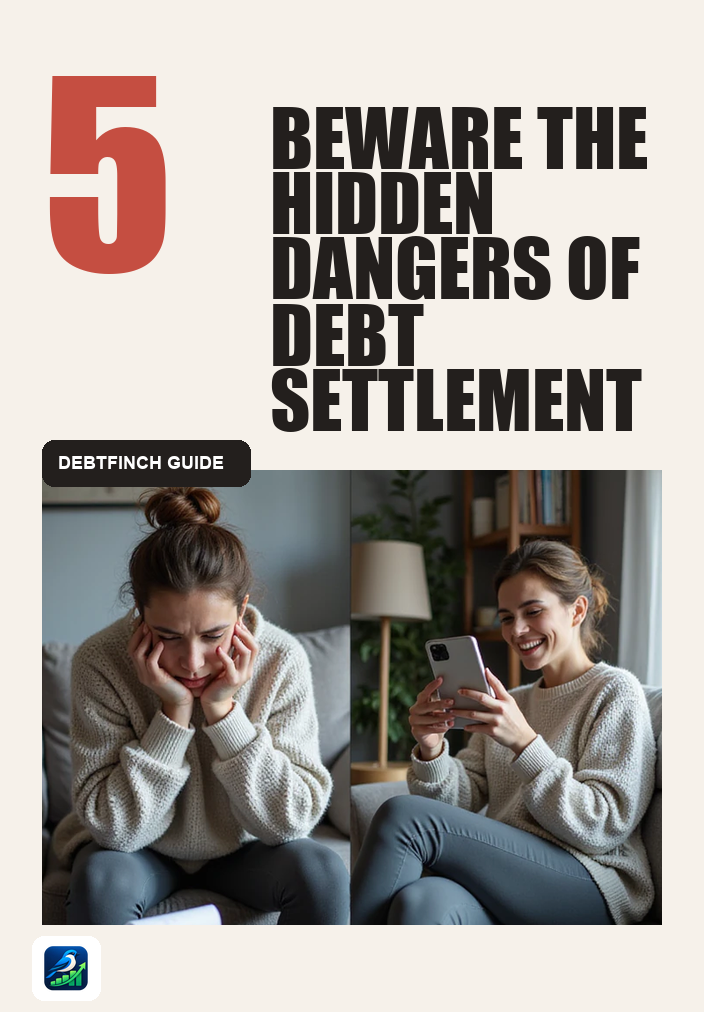
Debt settlement involves negotiating with creditors to pay less than what you owe. While this can lead to lower payments, it can also negatively impact your credit score and may have tax implications, as forgiven debt can count as taxable income.
Bankruptcy
Filing for bankruptcy can provide relief from overwhelming debt, but it has serious long-term consequences for your credit. It’s a legal process that should be considered only after exploring all other options.
Evaluating Debt Relief Services
When considering a debt relief service, conduct thorough research. Here are practical steps to evaluate their legitimacy:
- Check Accreditation: Look for agencies accredited by reputable organizations. This adds a layer of credibility.
- Read Reviews: Seek out reviews and testimonials from past clients. Be cautious of overly positive reviews that may seem fabricated.
- Verify Credentials: Check the credentials of the counselors or representatives. They should have relevant certifications and experience.
- Consult the Better Business Bureau: Check if the company has any complaints or negative ratings with the BBB or similar organizations.
- Ask Questions: Don’t hesitate to ask detailed questions about their processes, fees, and expected outcomes. A legitimate service should be willing to provide clear answers.
Practical Steps to Protect Yourself
Here are some actionable steps you can take to protect yourself from debt relief scams:
- Educate Yourself: Knowledge is power. Familiarize yourself with legitimate debt relief options and processes.
- Consult a Financial Advisor: Before making decisions, consider consulting a certified financial advisor. They can provide personalized guidance tailored to your situation.
- Keep Records: Maintain detailed records of all communications with debt relief companies. This documentation can be invaluable if issues arise.
- Trust Your Instincts: If something feels off about a company or their services, trust your gut and walk away.
Conclusion
While the journey to managing or reducing debt can be overwhelming, staying informed and vigilant can help you avoid scams. Understand the options available to you, recognize the red flags, and take proactive steps to protect your financial health.
Next Steps
If you’re considering debt relief, start by researching your options thoroughly. Assess your financial situation, and consult with reputable financial professionals. Remember, being informed is your best defense against scams.