
Understanding the Debt Snowball Method
If you’re overwhelmed by multiple debts, the debt snowball method could provide a structured way to tackle your financial obligations. This approach focuses on paying off your smallest debts first while making minimum payments on larger debts. The idea is to gain momentum and build confidence as you eliminate each debt, leading to a snowball effect of motivation and progress.
How the Debt Snowball Works
Here’s a simple breakdown of how to implement the debt snowball method:
- List Your Debts: Write down all your debts from smallest to largest, regardless of interest rates.
- Make Minimum Payments: Ensure you are making the minimum payments on all your debts except the smallest one.
- Focus on the Smallest Debt: Put any extra money you have each month toward the smallest debt until it’s paid off.
- Celebrate Small Wins: When the smallest debt is gone, move to the next smallest debt, adding the amount you were paying on the first debt to the minimum payment on the second one.
This method helps create psychological momentum, which can be crucial when you’re feeling bogged down by financial stress.
Using a Debt Snowball Calculator
A debt snowball calculator can simplify the process by organizing your debts and showing you how long it will take to pay them off using this method. Here’s how to use one effectively:
- Input Your Debts: Enter the total amount of each debt, the minimum monthly payment, and the interest rates if required.
- Review the Results: The calculator will generate a repayment schedule, showing how long it will take to pay off each debt and how much interest you’ll pay overall.
- Adjust Payments: Experiment with different payment amounts to see how extra payments can affect your timeline.
Using a calculator allows you to visualize your progress and stay motivated as you eliminate debts one by one.
Pros and Cons of the Debt Snowball Method
Like any financial strategy, the debt snowball method has its advantages and disadvantages.
Advantages
- Motivational Boost: Paying off smaller debts quickly can provide a sense of accomplishment that keeps you motivated.
- Simplicity: This method is easy to understand and implement without needing complex calculations or financial knowledge.
- Behavioral Focus: It emphasizes changing spending habits and encourages disciplined financial behavior.
Disadvantages
- Higher Interest Costs: You may pay more in interest over time compared to focusing on debts with the highest interest rates first.
- Longer Payoff Time: If your largest debts have significant balances, it may take longer to achieve overall debt freedom.
- Not Ideal for Everyone: Some individuals may prefer to pay off high-interest debts first to minimize total interest paid.
Alternative Debt Relief Options
If the debt snowball method doesn’t seem like the right fit for you, there are other options to consider:
Debt Avalanche Method
This method involves paying off debts starting with the highest interest rate, potentially saving you money on interest in the long run. Like the snowball method, you make minimum payments on all debts except the one with the highest interest rate.
Debt Consolidation
Debt consolidation combines multiple debts into a single loan, often at a lower interest rate. While it can simplify payments, it may extend your payoff timeline and requires discipline to avoid accruing new debt.
Debt Management Plans
Working with a credit counseling agency, you can create a debt management plan (DMP) that may negotiate lower interest rates or fees with creditors. While this can help manage payments, it typically requires closing all credit accounts during the plan.
Debt Settlement
This involves negotiating with creditors to pay less than the full amount owed. While it may reduce the total debt, it can significantly impact your credit score and may have tax implications.
Bankruptcy
As a last resort, filing for bankruptcy can discharge certain debts and provide a fresh start. However, this process has serious long-term consequences for your credit and financial future.
Next Steps Toward Financial Relief
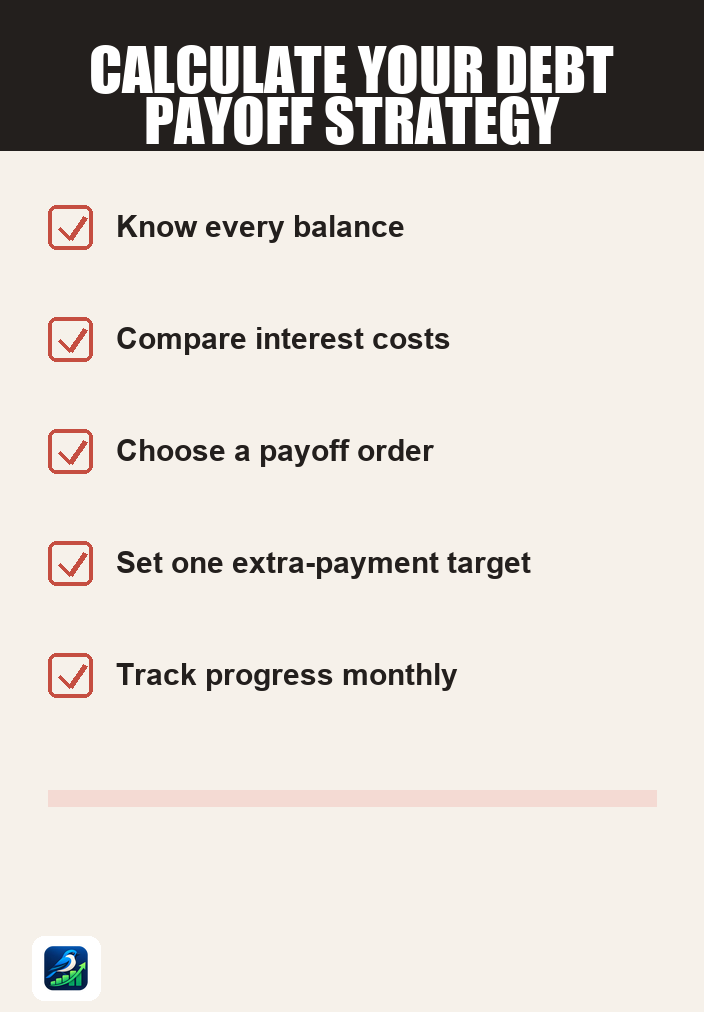
If you’re struggling with multiple debts and considering the debt snowball method, here are some practical steps to get started:
- Gather Your Financial Information: List all your debts, including balances, interest rates, and minimum payments.
- Choose a Method: Decide whether the debt snowball, avalanche, or another method suits your situation best.
- Use a Debt Snowball Calculator: Input your debts into a calculator to visualize your repayment plan.
- Set a Budget: Create a monthly budget to ensure you can allocate extra funds toward your targeted debt.
- Seek Professional Guidance: If you feel overwhelmed, consider talking to a financial advisor or credit counselor for personalized advice.
Taking your first steps toward managing your debts can feel daunting, but with the right approach and tools, you can find your path to financial relief.



















