
Understanding the Cost Breakdown of Debt Settlement Risks
Debt settlement can seem like an appealing option for those struggling with overwhelming consumer debt. It promises a way to negotiate lower payments with creditors and potentially resolve debts for less than what is owed. However, understanding the cost breakdown of debt settlement risks is crucial before diving in. This article will help you navigate the complexities of debt settlement, its potential costs, and what you should consider before making a decision.
What is Debt Settlement?
Debt settlement involves negotiating with creditors to reduce the total amount of debt owed. Typically, consumers or their representatives will offer a lump-sum payment that is less than the total debt. If the creditor agrees, the consumer pays that amount, often resulting in the remainder of the debt being forgiven. This process can provide significant relief, but it comes with inherent risks and costs that must be understood before proceeding.
The Financial Costs of Debt Settlement
When considering debt settlement, it’s essential to understand the financial costs involved. Here are some key expenses to keep in mind:
- Fees Charged by Settlement Companies: Many consumers choose to work with debt settlement companies to negotiate on their behalf. These companies often charge fees based on the amount of debt settled, which can add up. While some may charge a flat fee or a percentage of the debt, others may demand payment upfront.
- Tax Implications: Any debt forgiven through settlement may be considered taxable income by the IRS. This means that if you have $10,000 in debt forgiven, you could owe taxes on that amount, depending on your overall income and tax situation.
- Potential for Added Interest and Fees: While negotiating a settlement, creditors may continue to add interest and late fees, which can increase the overall cost of the debt and complicate negotiations.
- Credit Score Impact: Settling a debt can negatively affect your credit score. While it may be less damaging than bankruptcy, it still indicates to lenders that you did not meet your original payment obligations.
The Risks Associated with Debt Settlement
Beyond the financial costs, there are several risks associated with debt settlement that consumers should be aware of:
- Increased Collection Activity: Creditors may escalate their collection efforts, including lawsuits, once they realize you are not making regular payments. This can lead to legal costs and additional stress.
- Settlement Not Guaranteed: Not all creditors will agree to a settlement. Even if a settlement company claims success, there is no guarantee that your creditors will accept the offer made on your behalf.
- Time-Consuming Process: The negotiation process can take months or even years. During this time, you may be expected to stop making payments, which can lead to further collection actions.
- Emotional Stress: The process of dealing with debt, especially when negotiating settlements, can be emotionally taxing. The uncertainty and potential for conflict with creditors can add to this stress.
Alternatives to Debt Settlement
Before deciding on debt settlement, it’s worth considering other options. Each alternative has its own advantages and drawbacks:
- Debt Consolidation: This involves taking out a new loan to pay off existing debts, ideally at a lower interest rate. While it simplifies payments, it does not reduce the total debt amount.
- Debt Management Plans (DMP): Offered through credit counseling agencies, DMPs involve negotiating lower interest rates and more manageable payments with creditors. Unlike debt settlement, DMPs aim to repay the full debt.
- Bankruptcy: While a last resort, bankruptcy can provide a clean slate for overwhelming debt. It has long-lasting effects on credit but may be a necessary option for some individuals.
Evaluating Your Situation
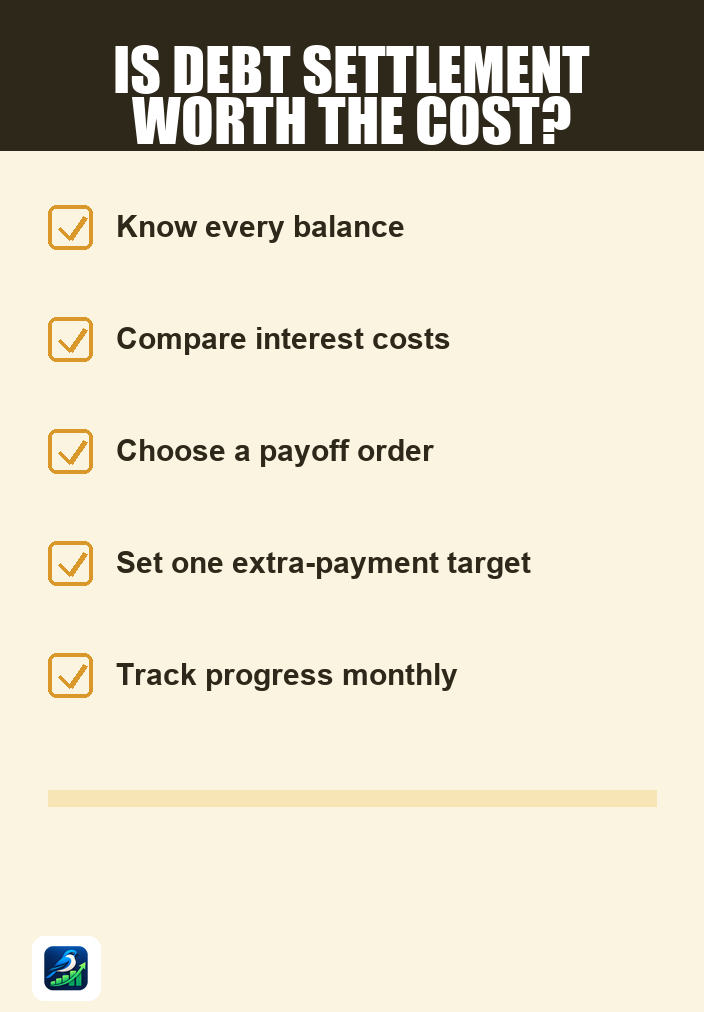
Before engaging in debt settlement, assess your overall financial situation. Ask yourself the following questions:
- What is the total amount of debt you owe, and what are the interest rates?
- Can you realistically afford to save a lump-sum payment for a settlement?
- Are you comfortable with the potential impact on your credit score?
- Have you explored other debt relief options, and how do they compare?
Next Steps
If you are considering debt settlement, take the following steps:
- Research reputable debt settlement companies and read reviews.
- Consult a financial expert or credit counselor to discuss your options.
- Understand the potential costs, risks, and the impact on your credit score.
- Make an informed decision based on your financial situation and goals.
Debt settlement can provide relief for some, but it is not a one-size-fits-all solution. By understanding the cost breakdown and associated risks, you can make a more informed choice that aligns with your financial situation.



















