Understanding Debt Settlement and Its Impact on Your Financial Future
Debt settlement is one of several options available to individuals grappling with consumer debt. It can provide a way to reduce the total amount you owe, but it’s essential to understand how it works and its potential long-term effects on your financial future. This article will explore the ins and outs of debt settlement, including its benefits, drawbacks, and alternatives, helping you make informed decisions about your financial journey.
What is Debt Settlement?
Debt settlement involves negotiating with creditors to reduce the amount of debt you owe. Typically, this process is facilitated by a debt settlement company or can be done independently. The idea is that you pay a lump sum that is less than your total debt, and in return, the creditor agrees to consider the debt settled. However, it’s crucial to note that this process can be complex and has specific implications.
How Debt Settlement Works
Debt settlement usually follows these steps:
- Assessment of Debt: Determine how much you owe and which debts are eligible for settlement.
- Negotiation: Either you or a debt settlement professional contacts your creditors to propose a lower payment.
- Payment Arrangement: If a creditor agrees to settle, you make a lump-sum payment, often after saving up for this amount.
- Confirmation: Ensure you receive written confirmation that the debt has been settled.
Potential Benefits of Debt Settlement
Debt settlement can offer several advantages, particularly for those struggling to manage multiple debts:
- Reduced Debt Amount: One of the most significant benefits is the potential to pay less than what you originally owed.
- Single Payment: Instead of juggling multiple payments, you can settle your debt with a single lump-sum payment.
- Time-Saving: The settlement process can be quicker than working through a lengthy repayment plan.
Drawbacks of Debt Settlement
While the benefits can be appealing, debt settlement also comes with significant downsides:
- Impact on Credit Score: Settling a debt can negatively affect your credit score, as it indicates you did not pay the full amount owed.
- Tax Implications: The IRS may consider forgiven debt as taxable income, which could lead to unexpected tax liabilities.
- Not Guaranteed Success: There’s no assurance that creditors will agree to a settlement, and some may refuse to negotiate.
- Fees: If using a settlement company, be aware of the fees they may charge, which can sometimes diminish the benefits of settling.
Debt Settlement vs. Other Debt Relief Options
Understanding how debt settlement compares to other debt relief strategies is crucial in making the best choice for your situation:
- Debt Consolidation: This involves combining multiple debts into a single loan, ideally at a lower interest rate. Unlike settlement, you repay the full amount.
- Debt Management Plans: These plans are designed to help you repay debts over time with lower interest rates, but again, you pay the total amount owed.
- Bankruptcy: This is a legal process that can eliminate or restructure debts, but it also has a severe and lasting impact on your credit report.
Is Debt Settlement Right for You?
Deciding if debt settlement is the right option depends on several factors:
- Amount of Debt: If you have substantial unsecured debt (like credit cards), settlement may be more feasible.
- Financial Situation: Assess your ability to save a lump sum and your current financial stability.
- Credit Score: Consider how important your credit score is to you and how a settlement might affect it.
- Future Financial Goals: Think about how debt settlement aligns with your long-term financial objectives.
Next Steps: Making an Informed Decision
If you’re considering debt settlement, here are practical steps to help you navigate the process:
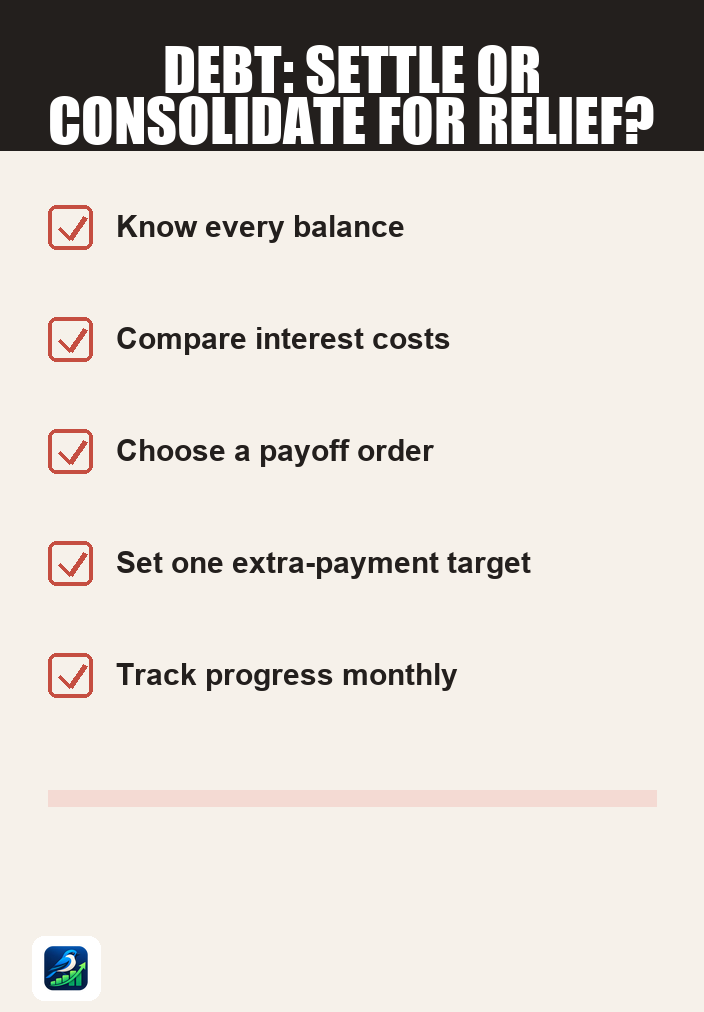
- Evaluate Your Debt: List all your debts, including amounts, interest rates, and payment terms.
- Consult Professionals: Speak with a financial advisor or credit counselor to explore your options and get unbiased advice.
- Research Debt Settlement Companies: If you choose this route, research companies thoroughly and check for scams or high fees.
- Understand the Risks: Be aware of the potential consequences of settlement, including impacts on your credit and tax implications.
- Explore Alternatives: Before settling, explore other options like debt management or consolidation that might better suit your needs.
Debt settlement can be a viable option for some, but it’s not a one-size-fits-all solution. By understanding the impacts, benefits, and risks, you can make a more informed decision about your financial future.