Understanding the True Costs of Consolidation Loans: A Beginner’s Comparison
Debt consolidation is a strategy that many individuals consider when trying to manage multiple debts. The concept is straightforward: you take out a single loan to pay off several others, ideally simplifying your payments and potentially lowering your interest rates. However, understanding the true costs of consolidation loans is essential for making an informed decision. In this article, we’ll break down the costs, benefits, and trade-offs associated with debt consolidation.
What is Debt Consolidation?
Before delving into costs, it’s crucial to clarify what debt consolidation entails. Debt consolidation involves taking out a new loan to pay off existing debts. This can include credit card balances, medical bills, or personal loans. The new loan typically offers a single monthly payment, which can be more manageable than juggling multiple debts with various due dates.
How Debt Consolidation Works
When you consolidate debt, you essentially combine all your outstanding balances into one loan. Here’s how the process generally works:
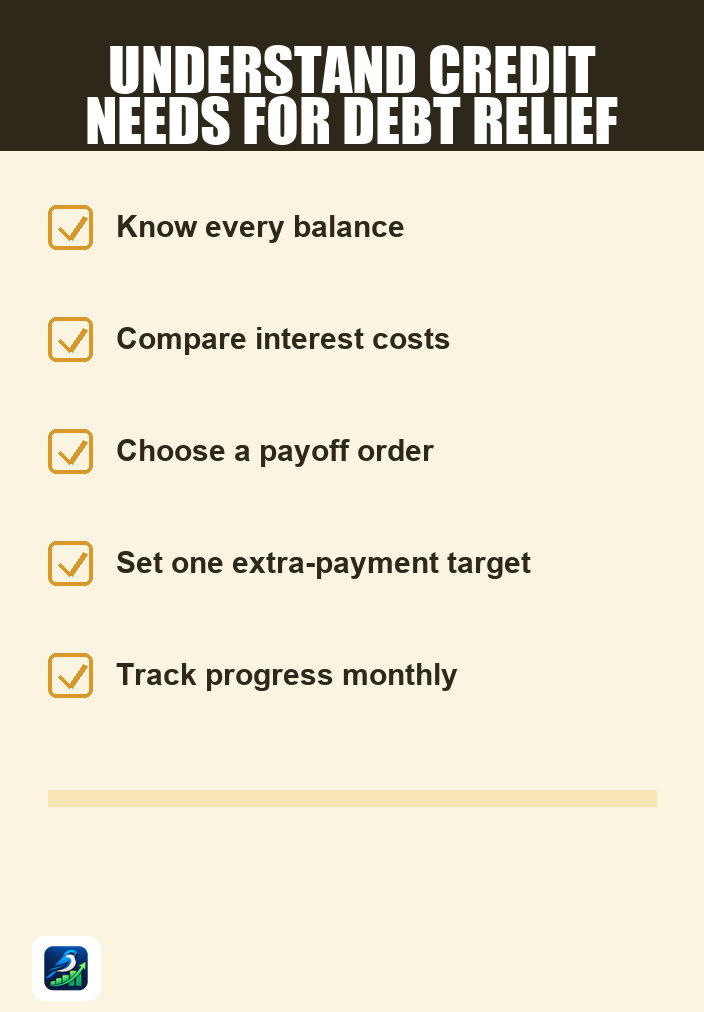
- Assess Your Situation: Determine how much debt you have and the interest rates on your current debts.
- Research Loan Options: Look for consolidation loans that fit your financial situation. Consider both secured and unsecured loans.
- Apply for the Loan: Submit an application to your chosen lender.
- Use the Funds Wisely: If approved, use the new loan to pay off your existing debts.
- Manage Your Payments: Make monthly payments on your new loan until it’s paid off.
True Costs of Consolidation Loans
While consolidation loans can simplify your life, they can also come with various costs. Here’s what to keep in mind:
Interest Rates
One of the primary reasons people consider consolidation loans is to secure a lower interest rate. However, it’s important to compare the interest rate of the consolidation loan to the rates of your existing debts. If the consolidation loan has a higher interest rate, you may end up paying more over time.
Fees and Charges
Many lenders charge fees for originating a loan. These can include:
- Origination Fees: A one-time fee that can be a percentage of the loan amount.
- Closing Costs: Similar to mortgage loans, some consolidation loans may require closing costs.
- Prepayment Penalties: Some lenders impose fees if you pay off the loan early.
Always read the fine print and ask the lender about any fees associated with the loan.
Loan Terms
The length of the loan is another factor to consider. While longer terms may result in lower monthly payments, they can also mean paying more in interest over the life of the loan. For example, a $10,000 loan with a 5-year term might have a lower monthly payment than a 3-year term but could end up costing you significantly more in interest.
Impact on Credit Score
Consolidating your debt can have varied effects on your credit score. Initially, applying for a new loan can cause a slight dip in your score due to hard inquiries. However, if you manage the new loan responsibly—making timely payments and reducing your credit utilization—it can boost your score in the long run. Conversely, if you fail to keep up with payments, your score could suffer.
Alternatives to Debt Consolidation
While consolidation can be effective, it’s not the only option available. Here are some alternatives to consider:
Debt Management Plans
Working with a credit counseling agency can help you create a debt management plan (DMP). This plan consolidates your payments, but it involves working with creditors to reduce interest rates or waive fees. While it usually does not affect your credit score negatively, you must commit to a strict payment schedule.
Debt Settlement
Debt settlement involves negotiating with creditors to pay less than what you owe. While this can lead to a lower total debt, it can also negatively impact your credit score and may involve fees for the service. This option is not suitable for everyone, especially those who can manage their payments.
Bankruptcy
For some, bankruptcy may be the most viable option, especially when debts are overwhelming. This legal process can discharge many types of debt, but it comes with long-term consequences for your credit score and financial future. Consulting with a legal expert is essential if considering this route.
Is Debt Consolidation Right for You?
Deciding whether to consolidate your debts requires careful consideration of your financial situation. Here are some questions to ask yourself:
- What is the total amount of my debt, and what are the interest rates?
- Am I able to qualify for a consolidation loan with a better rate?
- Can I afford the monthly payment on the new loan?
- Have I explored other debt management options?
Evaluating these factors can help you determine if debt consolidation is a suitable strategy or if you should explore other avenues.
Next Steps
If you’re considering debt consolidation, here are some practical next steps:
- Gather all your financial information, including debts, interest rates, and monthly payments.
- Research and compare potential consolidation loan options.
- Consider consulting with a financial advisor or credit counselor for personalized guidance.
- Weigh the pros and cons of consolidation versus other debt management strategies.
Being informed about the true costs and benefits of consolidation loans is vital. By understanding the options and trade-offs, you can make a decision that best fits your financial goals.