
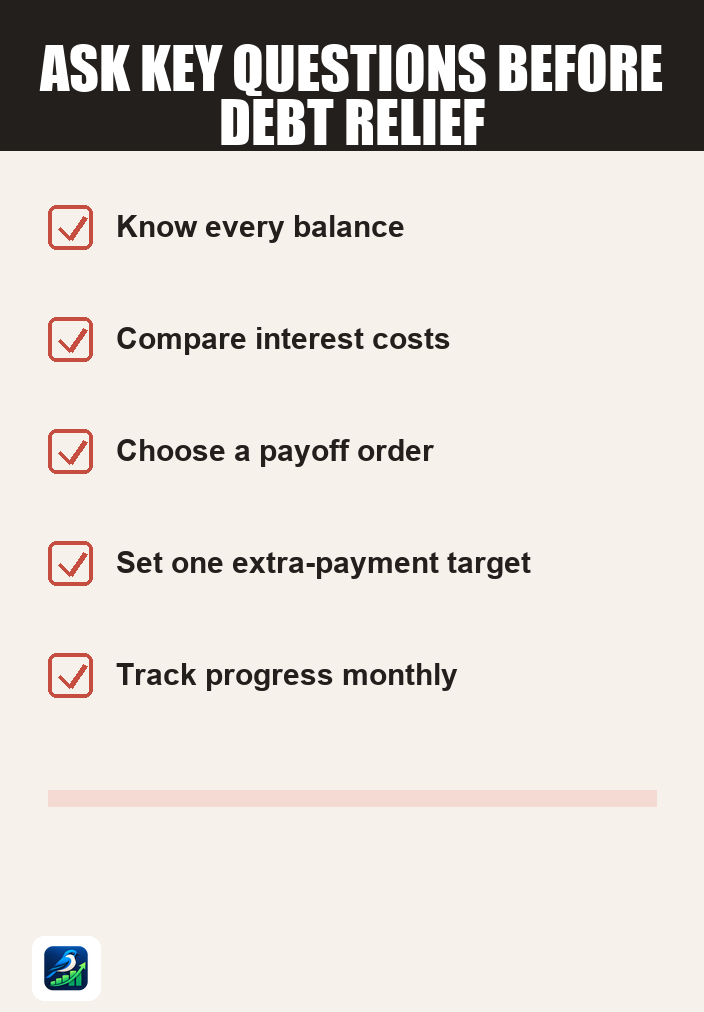
Understanding Your Options: The Importance of Asking Questions
When you’re facing financial challenges, understanding your options for debt relief is crucial. If you’re considering a debt relief company, especially while on a tight budget, it’s important to ask the right questions. These questions can help you clarify the services offered, understand the costs involved, and assess the potential risks and benefits. Here’s a guide to essential questions you should consider before committing to a debt relief program.
What Services Do You Offer?
Not all debt relief companies provide the same services. Understanding what a company offers can help you determine if it aligns with your needs. Here are some common services you may encounter:
- Debt Consolidation: Combining multiple debts into one loan with a potentially lower interest rate.
- Debt Management: Creating a structured plan to pay off debts over time, often involving a credit counseling agency.
- Debt Settlement: Negotiating with creditors to settle debts for less than what is owed.
- Bankruptcy Assistance: Helping you navigate the bankruptcy process if necessary.
Ask the company to clarify which services they provide and how each option works. For example, if they offer debt settlement, inquire about how they negotiate with creditors and what fees are involved.
What Are the Fees Involved?
Understanding the fees associated with any debt relief service is critical, especially when you’re on a tight budget. Companies may charge:
- Initial Consultation Fees: Some companies charge for an initial meeting or assessment.
- Monthly Fees: For ongoing services, like debt management plans.
- Success Fees: Particularly in debt settlement, where you may be charged a percentage of the amount saved.
- Upfront Fees: Ensure that you understand if any fees are charged before any services are rendered.
Ask the company to provide a complete breakdown of all potential fees. Knowing this information upfront can help prevent surprises later on.
What is Your Success Rate?
While no company can guarantee results, asking about their success rate can provide insight into their effectiveness. A reputable company should be able to provide general statistics on how many clients successfully achieve debt relief through their services.
Be cautious of companies that promise guaranteed outcomes. Instead, focus on understanding their track record and any testimonials from past clients that can offer a realistic perspective on what to expect.
How Long Will the Process Take?
The timeline for debt relief can vary significantly based on the method you choose and your specific financial situation. Ask the company how long they estimate the process will take. Here are some considerations:
- Debt Consolidation: This may take a few weeks to finalize.
- Debt Settlement: This can vary from several months to a few years, depending on negotiations with creditors.
- Debt Management Plans: Typically, these plans last three to five years.
Understanding the timeline can help you plan your finances and set realistic expectations.
What Happens if I Can’t Make a Payment?
Life can be unpredictable, and you may encounter financial difficulties that make it hard to keep up with payments. It’s essential to know the company’s policy on missed payments. Ask about:
- Grace periods for late payments.
- How missed payments can affect your debt relief plan.
- Options available if you find yourself unable to pay.
Understanding these policies can help you navigate unexpected changes in your financial situation more effectively.
What Are the Potential Consequences of Your Services?
Every debt relief option has its pros and cons. For instance, while debt settlement may reduce the amount you owe, it could also negatively impact your credit score. Asking about potential consequences can help you weigh your options more carefully.
Inquire about:
- The impact on your credit score.
- Tax implications, such as potential taxable income from forgiven debt.
- Long-term effects on your ability to secure future credit.
Having a clear understanding of these aspects can better inform your decision-making process.
What Alternatives Do You Recommend?
Debt relief companies should be willing to discuss alternatives to their services. Ask them about other options you might consider, such as:
- Working directly with creditors to negotiate better terms.
- Credit counseling services that can help you manage your budget.
- DIY debt management plans that you can implement without a third-party service.
Exploring various alternatives can help you make an informed decision about the best path forward for your financial situation.
What Should I Expect from Your Communication?
Effective communication is vital throughout the debt relief process. Ask the company about their communication practices:
- How frequently will you receive updates?
- Who will be your primary contact?
- What methods of communication do they offer (phone, email, online portal)?
Clear communication can ease your worries and help you stay informed about your progress.
Next Steps to Take
Once you’ve gathered all the necessary information, take some time to compare your options. Consider the pros and cons of each service and how they align with your financial goals. You may also want to consult with a financial advisor or credit counselor for additional guidance.
Finally, remember that making informed decisions is crucial. Take your time to weigh your options and don’t rush into any commitments. By asking the right questions and understanding the implications of your choices, you can find a debt relief solution that best fits your situation.



















