
Understanding Your Debt Payoff Timeline
When you’re living on a tight budget, the prospect of paying off debt can feel overwhelming. Many people find themselves wondering, “What is a realistic debt payoff timeline?” The answer varies significantly based on your individual financial situation, the types of debt you carry, and your ability to allocate funds toward repayment. However, understanding some core principles can help you create a plan that feels attainable.
Assessing Your Debt Situation
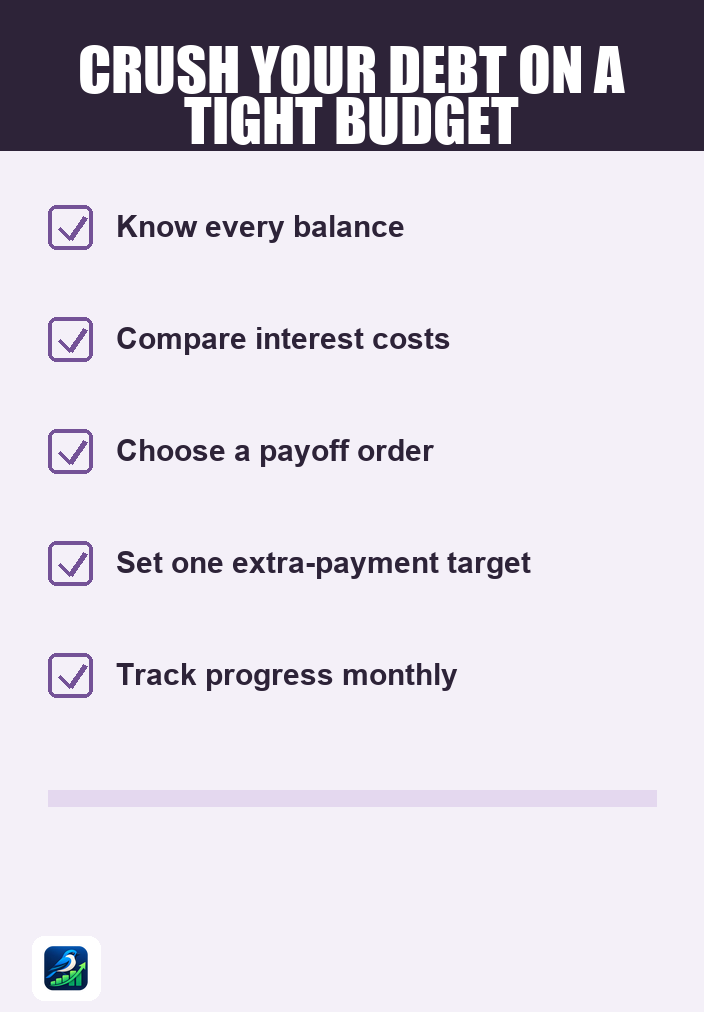
Before you can establish a timeline for paying off your debt, you need to assess your current situation. Start with these steps:
- List All Debts: Write down every debt you owe, including credit cards, personal loans, medical bills, and any other obligations. Include the total amounts, interest rates, and minimum monthly payments.
- Calculate Your Total Debt: Add up all your debts to get a clear picture of how much you owe.
- Review Your Budget: Analyze your monthly income and expenses. Determine how much money you can allocate toward debt repayment each month.
By gathering this information, you will have a foundation to work from as you develop your debt repayment timeline.
Setting a Realistic Payoff Timeline
Once you’ve assessed your debts, it’s time to create a realistic payoff timeline. Here are some factors to consider:
Debt Types and Interest Rates
The type of debt you have plays a significant role in determining how quickly you can pay it off. Generally, debts can be categorized as:
- Secured Debt: This includes mortgages and auto loans, which are backed by collateral.
- Unsecured Debt: Credit cards and personal loans fall into this category and typically have higher interest rates.
- Revolving vs. Installment Debt: Revolving debt (like credit cards) can fluctuate, while installment loans have fixed payments.
Higher interest rates can lead to longer repayment periods, so prioritize paying off high-interest debts first if possible.
Monthly Payment Capacity
How much you can afford to pay each month will directly influence your timeline. If you’re on a tight budget, it may be challenging to allocate large sums for debt repayment. Consider the following strategies:
- Make Minimum Payments: Ensure you’re making at least the minimum payments on all debts to avoid penalties.
- Find Extra Funds: Look for ways to cut expenses or increase income (e.g., side jobs) to free up more money for debt repayment.
Your monthly payment capacity can help you determine how long it will take to pay off your debts. For example, if you have $5,000 in credit card debt with a 20% interest rate and can pay $200 a month, you might estimate it will take over three years to pay off that debt. Use online calculators to get a more precise timeline based on your specific debt amounts and interest rates.
Debt Repayment Strategies
Different strategies can affect your debt payoff timeline significantly. Here are a couple of popular methods:
The Snowball Method
This approach focuses on paying off the smallest debts first. You make minimum payments on all debts except the smallest one, which you pay off as quickly as possible. Once that debt is cleared, you move on to the next smallest. This method can provide psychological benefits, as clearing debts quickly can motivate you to keep going.
The Avalanche Method
In contrast, the avalanche method prioritizes debts with the highest interest rates first. By focusing on the most expensive debts, you may save money on interest over time, potentially shortening your overall repayment timeline. This method requires discipline but can be more cost-effective in the long run.
Exploring Debt Relief Options
If your debt feels unmanageable, consider exploring debt relief options. However, each option comes with its own trade-offs:
- Debt Consolidation: This involves combining multiple debts into a single loan, often at a lower interest rate. While it simplifies payments, it may extend your repayment timeline and often requires good credit.
- Debt Management Plans: Offered by credit counseling agencies, these plans can help you manage payments. However, they may require you to close credit card accounts, which could impact your credit score.
- Debt Settlement: This involves negotiating with creditors to settle for less than what you owe. While it can provide relief, it may significantly impact your credit score and may not be suitable for all types of debt.
- Bankruptcy: As a last resort, bankruptcy can eliminate some debts. However, it has long-term ramifications on your credit and financial future.
Each of these options has pros and cons. It’s essential to understand them fully and consider seeking professional advice tailored to your situation.
Monitoring Your Progress
Creating a debt payoff timeline is just the beginning. Regularly monitoring your progress can keep you motivated and on track. Here are some ways to do so:
- Set Milestones: Establish short-term and long-term goals to celebrate small victories along the way.
- Adjust as Needed: Life can be unpredictable; if your budget changes, adjust your timeline and strategy accordingly.
- Stay Informed: Educate yourself about personal finance to make more informed decisions moving forward.
Next Steps
To create a realistic debt payoff timeline on a tight budget, start by assessing your debt situation, setting a budget, and choosing a repayment strategy that resonates with you. Consider the pros and cons of various debt relief options and remember to monitor your progress regularly. With patience and determination, you can work toward a debt-free future.



















