
Understanding Your Situation After an Income Drop
Experiencing a drop in income can be a significant financial blow, especially if you already have debt. Whether it’s due to job loss, reduced hours, or unexpected expenses, the pressure to manage your debt becomes even more pronounced. However, with a strategic approach, you can still navigate this challenging time without spiraling into further financial distress.
Assessing Your Financial Landscape
Your first step should be to take stock of your current financial situation. This means understanding your income, expenses, and debt obligations. Start with the following:
- Calculate Your New Income: Determine how much money you have coming in monthly. If your income has dropped, be clear about the figures.
- List Your Expenses: Create a detailed list of your current monthly expenses, including housing, utilities, groceries, transportation, and debt payments.
- Identify Your Debts: Make a list of all your debts, including credit cards, loans, and any other obligations. Note the minimum payments and interest rates.
Once you have a clear picture, you can move on to strategizing how to manage your debt effectively.
Creating a Realistic Budget
With a clearer understanding of your financial situation, it’s time to create a budget that reflects your new reality. This budget should prioritize your essential expenses and debt obligations. Here’s how to do it:
- Prioritize Needs Over Wants: Focus on covering essential expenses first—rent, utilities, food, and transportation. Cut back on non-essential items.
- Allocate Funds for Debt Payments: After covering essentials, allocate what you can towards debt payments. This could mean making only minimum payments for a time, but it keeps you in good standing with creditors.
- Review and Adjust Monthly: Your budget is not set in stone. Review it monthly to accommodate any changes in income or expenses.
Communicating with Creditors
If you’re unable to meet your debt obligations due to your income drop, don’t hesitate to reach out to your creditors. Many are willing to work with you, especially if you communicate proactively. Here’s how to approach them:
- Be Honest: Explain your situation clearly. Most creditors appreciate transparency.
- Ask About Relief Options: Inquire about any hardship programs, deferment options, or modified payment plans they may offer.
- Document Everything: Keep a record of all communications, including dates, times, and the names of representatives you speak with.
Exploring Debt Management Options
If your situation remains challenging, consider various debt management strategies. Here are a few options to think about:
Debt Consolidation
Debt consolidation involves combining multiple debts into a single loan with a potentially lower interest rate. This can simplify your payments, but it’s essential to understand the terms and fees associated with a consolidation loan.
Debt Management Plans
A debt management plan (DMP) is typically offered by credit counseling agencies. They negotiate with your creditors on your behalf to create a manageable repayment plan. While this option can lower payments and interest rates, it may also require you to close credit accounts.
Debt Settlement
Debt settlement involves negotiating with your creditors to pay less than what you owe. This can be risky, as it may negatively impact your credit score, and not all creditors will agree to this approach. It’s crucial to carefully weigh the pros and cons.
Bankruptcy as a Last Resort
Bankruptcy should generally be considered a last resort. It can provide relief from overwhelming debt but comes with long-term consequences for your credit. If you’re considering this option, consult with a legal professional who specializes in bankruptcy.
Finding Additional Income Sources
While managing your current debt is crucial, finding ways to boost your income can alleviate some of the financial pressure. Here are a few strategies:
- Part-Time Work: Consider taking on a part-time job or freelance work that fits your schedule.
- Sell Unused Items: Look around your home for items you no longer need and sell them online or at a garage sale.
- Monetize Skills or Hobbies: If you have skills or hobbies that can be turned into income (like crafting, tutoring, or consulting), consider offering those services.
Managing Stress and Staying Motivated
Dealing with financial strain can be stressful, but it’s essential to maintain your mental well-being. Here are some tips for managing stress during this time:
- Practice Self-Care: Make time for activities that help you relax, whether it’s exercise, meditation, or reading.
- Seek Support: Talk to friends or family about your situation—they may offer emotional support or practical assistance.
- Stay Informed: Educate yourself about personal finance. The more you know, the better equipped you’ll be to navigate your financial situation.
Next Steps: Taking Action
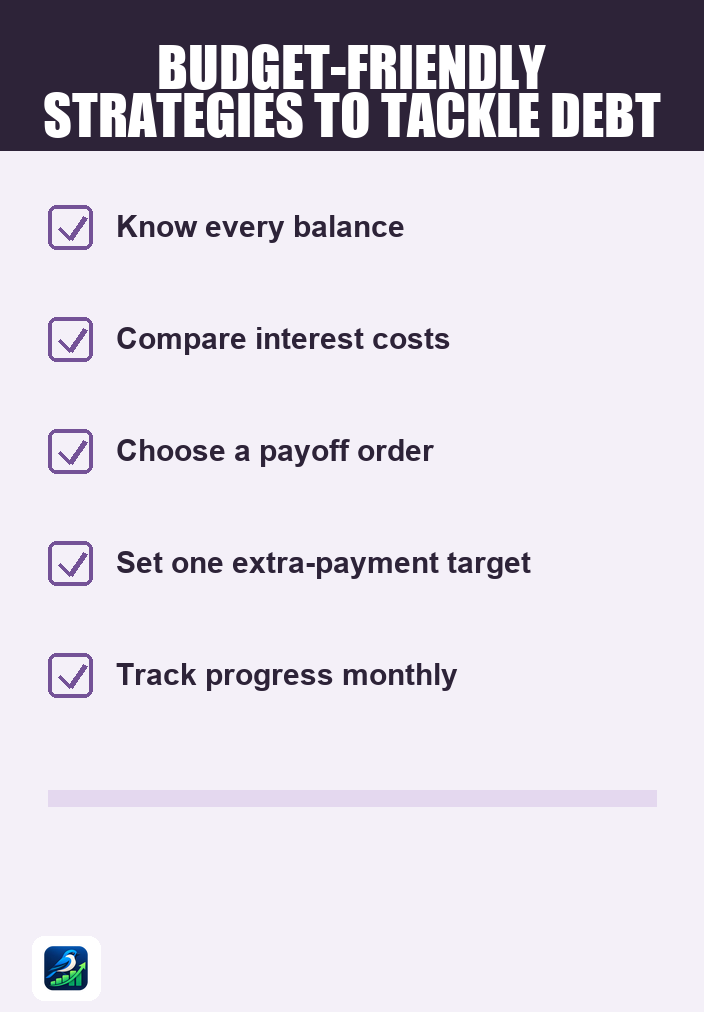
Managing debt on a tight budget after an income drop can be daunting, but it is achievable with the right strategies. Start by assessing your financial situation and creating a realistic budget. Communicate with your creditors, explore debt management options, seek additional income sources, and prioritize your mental well-being.
By taking these steps, you can regain control over your finances and work towards a more secure financial future. Remember, the key is to stay proactive and adaptable as your situation evolves.



















