
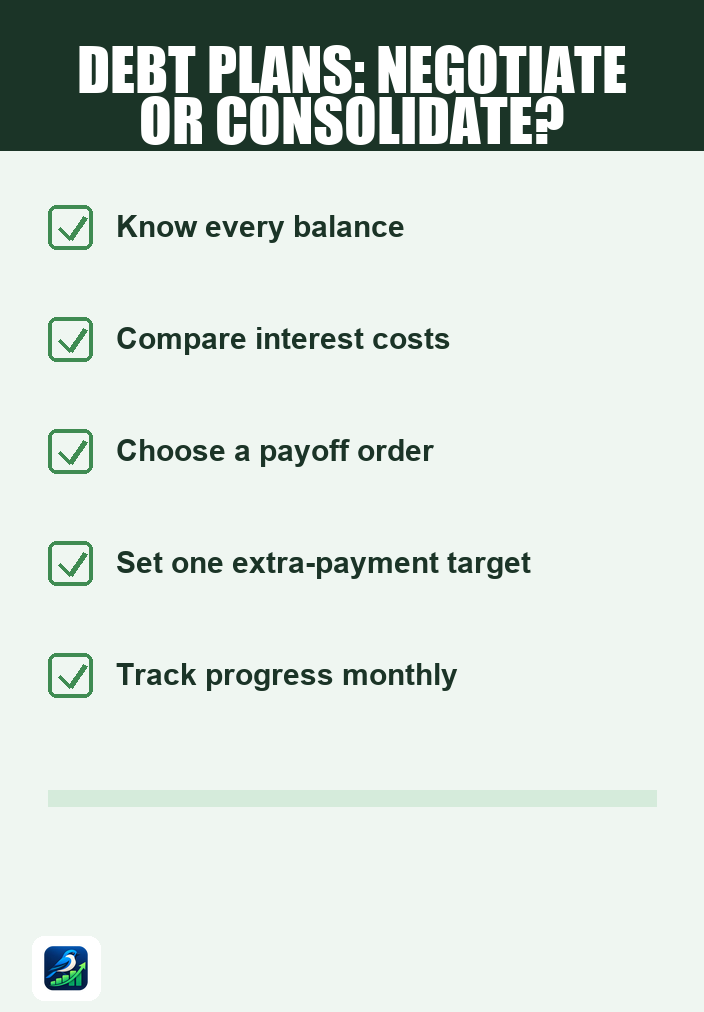
Understanding Payment Plans with Debt Collectors
When facing debt, negotiating payment plans with debt collectors can feel daunting. However, understanding your options and comparing payment plans can help ease your financial burden. This article provides practical insights on how to effectively compare payment plans with debt collectors, ensuring you make informed choices.
Assessing Your Financial Situation
Before you engage with debt collectors, it’s essential to have a clear picture of your financial situation. Take the time to evaluate your income, expenses, and existing debts. This will help you determine how much you can realistically afford to pay each month.
Steps to Assess Your Financial Situation
- List Your Debts: Write down all debts, including amounts owed, interest rates, and due dates.
- Track Your Income: Calculate your total monthly income from all sources.
- Calculate Monthly Expenses: List your essential expenses (rent, utilities, groceries) and non-essential expenses (entertainment, dining out).
- Determine Disposable Income: Subtract your total expenses from your income to find out how much you can allocate to debt payments.
Having this information at hand will empower you during negotiations with debt collectors.
Types of Payment Plans
When discussing payment options with debt collectors, you may encounter several types of payment plans. Understanding these can help you make better comparisons.
Installment Plans
Installment plans allow you to pay off your debt in fixed monthly payments over time. This option is beneficial if you can predict a consistent monthly payment. Be sure to ask about the length of the repayment period and any interest that may apply.
Reduced Payment Plans
In some cases, debt collectors may agree to a reduced payment plan. This could involve lower monthly payments over a longer period or a temporary reduction in payments if you’re facing financial hardship. However, be cautious—longer repayment periods can result in higher total payments due to interest.
Settlement Offers
Debt settlement involves negotiating a lump-sum payment that is less than the total amount owed. This option may seem attractive, but it can significantly impact your credit score and may lead to tax implications. Ensure that you fully understand the consequences before proceeding.
How to Compare Payment Plans
Once you have a grasp of your financial situation and the types of payment plans available, it’s time to compare your options. Here are some important factors to consider:
1. Total Cost of the Plan
Calculate the total amount you’ll pay under each plan, including any interest or fees. This will give you a clearer picture of which plan is more financially viable.
2. Monthly Payment Amount
Evaluate the affordability of each plan. Can you comfortably make the monthly payments without stretching your budget too thin?
3. Length of the Plan
Consider how long each payment plan will last. Longer plans may come with lower monthly payments, but they can also mean paying more in interest.
4. Impact on Credit Score
Understand how each plan may affect your credit score. For instance, settling a debt can negatively affect your score, while consistently making payments on an installment plan may help improve it.
5. Flexibility
Ask about flexibility in the payment plans. If your financial situation changes, can you adjust the payment terms? Having options can be crucial if unexpected expenses arise.
Negotiating with Debt Collectors
Once you’ve compared your options, it’s time to negotiate. Here are some practical tips to keep in mind:
Be Prepared
Approach negotiations with all your financial data ready. This shows the collector that you are serious and informed about your situation.
Stay Calm and Respectful
Debt collectors can be persuasive, but remaining calm and respectful during negotiations can lead to better outcomes. Express your willingness to pay but be clear about your limitations.
Ask Questions
Don’t hesitate to ask questions about the terms. Clarify any confusion about fees, interest rates, and the total amount due. Understanding what you’re agreeing to is crucial.
Get Everything in Writing
Once you reach an agreement, request written confirmation of the terms. This protects you and serves as proof of the arrangement.
Exploring Alternatives
While negotiating payment plans, it’s wise to consider alternatives that might suit your situation better. Here are a few:
- Debt Consolidation: This involves combining multiple debts into one loan, potentially with lower interest rates and a single monthly payment.
- Debt Management: Working with a credit counseling agency can help you create a structured repayment plan without dealing directly with collectors.
- Bankruptcy: As a last resort, bankruptcy may provide a fresh start, but it comes with significant implications for your credit and future finances.
Each option has its pros and cons, so consider discussing them with a financial advisor or credit counselor.
Next Steps
1. Gather your financial information and assess your ability to pay.
2. Research payment plan options and write down your questions.
3. Initiate communication with your debt collectors and negotiate confidently.
4. Explore alternative solutions if needed and consider seeking professional advice.
By understanding your options and taking a proactive approach, you can better navigate the complex world of debt collections and payment plans.



















