
Understanding the Debt Avalanche Method: A Practical Approach
If you’re facing a mountain of consumer debt, you may have come across various strategies to tackle it. One of the most effective methods is the Debt Avalanche Method. This approach focuses on minimizing the amount of interest you pay over time, allowing you to pay off your debts more efficiently. Here’s what you need to know about using the Debt Avalanche Method effectively.
What is the Debt Avalanche Method?
The Debt Avalanche Method is a debt repayment strategy that prioritizes paying off debts with the highest interest rates first. This method is based on the principle that by reducing your high-interest debt, you’ll pay less in interest over time, leading to quicker overall debt repayment.
How it Works
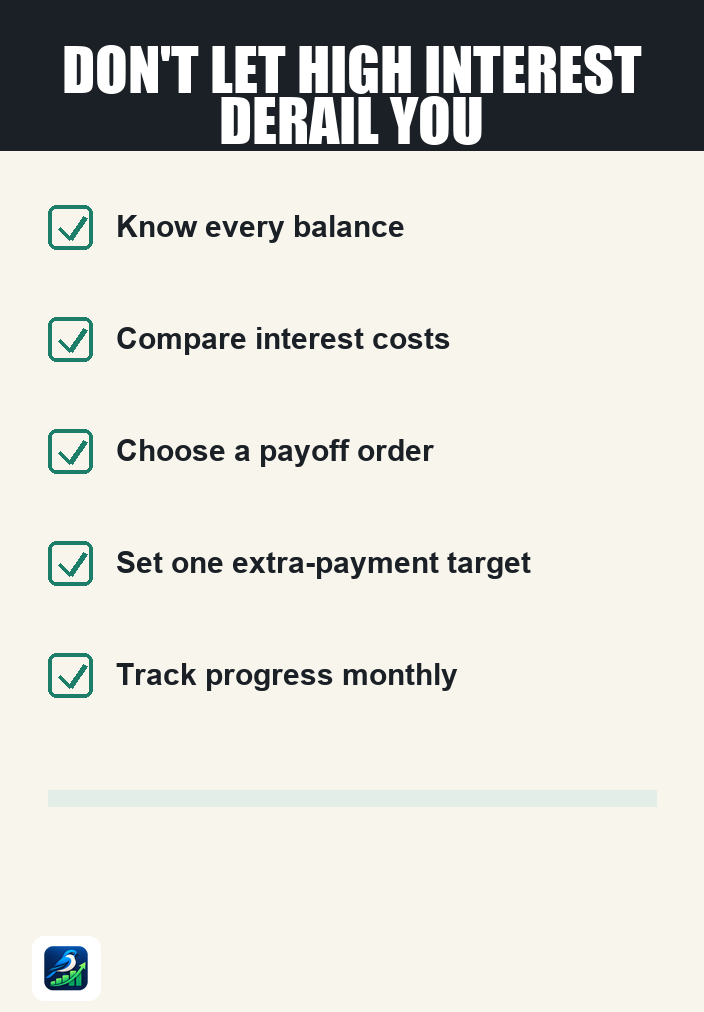
To implement the Debt Avalanche Method, follow these steps:
- List all your debts, including the total amount owed and the interest rate for each.
- Organize the list from highest to lowest interest rate.
- Make minimum payments on all debts except the one with the highest interest rate.
- Allocate any extra funds you have toward the debt with the highest interest rate.
- Once the highest-interest debt is paid off, move on to the next highest interest debt, repeating the process.
Benefits of the Debt Avalanche Method
The primary advantage of the Debt Avalanche Method is financial efficiency. Here are some key benefits:
- Lower Total Interest Paid: By targeting high-interest debts first, you minimize the amount of interest accrued over time.
- Faster Debt Payoff: Paying off high-interest debts quicker can lead to a shorter repayment timeline overall.
- Mathematical Approach: This method is grounded in logic and numbers, making it an appealing choice for those who prefer data-driven decisions.
Steps to Implement the Debt Avalanche Method
To effectively use the Debt Avalanche Method, consider these practical steps:
1. Gather Your Financial Information
Start by collecting information on all your debts, including credit cards, loans, and any other obligations. Note the total amount owed and the interest rate for each. A simple spreadsheet can help organize this information.
2. Prioritize Your Debts
Sort your debts by interest rate, starting with the highest. This list will guide your repayment strategy and help you focus on the most costly debts first.
3. Create a Budget
Review your monthly income and expenses to determine how much you can afford to put toward debt repayment. Ensure you maintain minimum payments on all debts while freeing up extra funds for the highest-interest debt.
4. Make Payments Strategically
With your budget in place, direct any extra funds to the debt with the highest interest rate. This might involve cutting back on discretionary expenses or finding ways to increase your income temporarily.
5. Track Your Progress
Regularly check your progress to stay motivated. Mark off debts as you pay them off, and celebrate small victories along the way.
Challenges of the Debt Avalanche Method
While the Debt Avalanche Method has its advantages, it’s not without challenges. Here are some potential drawbacks:
- Longer Emotional Payoff: It may take time to see significant progress, especially if your highest-interest debt is large. This can be discouraging.
- Complexity for Some: For those who are not comfortable with numbers or budgeting, the method may seem overwhelming.
- Not Suitable for All Debt Types: Debts with lower balances but higher emotional impact might be better handled with the Debt Snowball Method, which focuses on paying off smaller debts first.
Alternatives to Consider
If the Debt Avalanche Method doesn’t seem like the right fit for you, consider these alternatives:
1. Debt Snowball Method
This method focuses on paying off smaller debts first, regardless of interest rate. While it may cost more in interest over time, it often provides psychological benefits by allowing for quicker wins.
2. Debt Consolidation
Consolidating multiple debts into a single loan with a lower interest rate can simplify payments and potentially reduce monthly costs. However, be cautious of potential fees and the terms of the new loan.
3. Debt Management Plans
Working with a credit counseling agency to create a debt management plan can offer structured support. They may negotiate lower interest rates with creditors, but fees may be involved.
4. Debt Settlement
This approach involves negotiating with creditors to settle debts for less than the full amount owed. While it can reduce your total debt, it may have consequences for your credit score and could lead to tax implications.
Next Steps for Debt Reduction
Using the Debt Avalanche Method effectively requires organization, discipline, and patience. Here’s a quick guide to get started:
- List your debts and their interest rates.
- Set a realistic budget for debt repayment.
- Focus on high-interest debts while maintaining minimum payments on others.
- Track your progress to stay motivated.
Remember, your path to financial freedom is unique. Take the time to assess your situation and choose the method that works best for you. If needed, consider seeking professional financial advice to guide you through your debt repayment journey.



















