
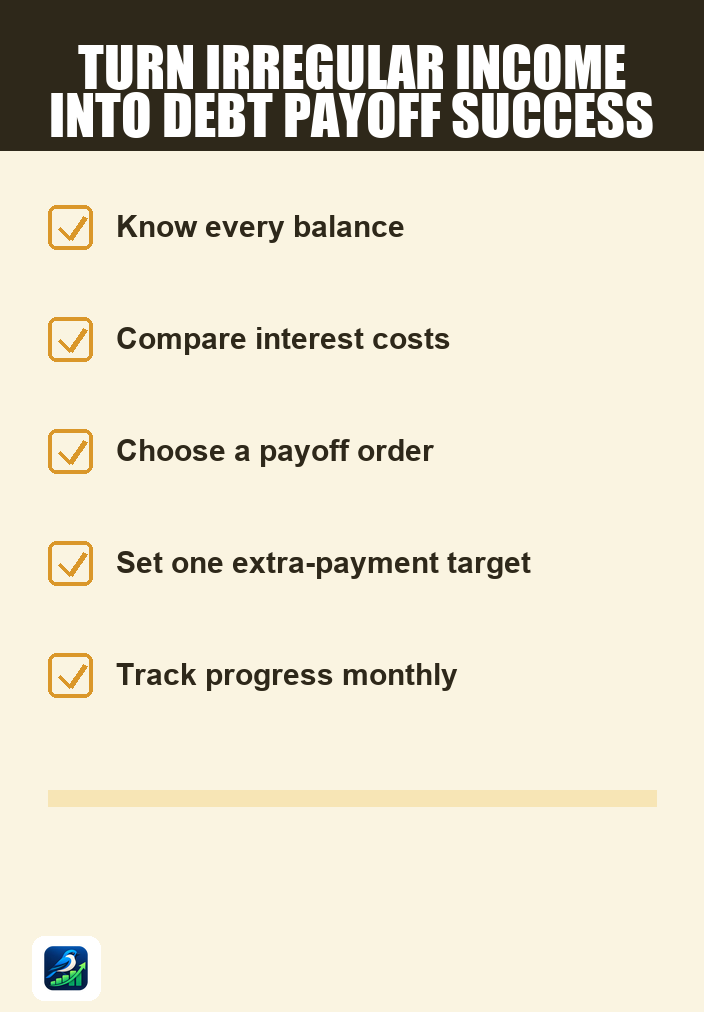
Understanding Debt Consolidation for Freelancers
Debt consolidation can sound like an appealing solution for many people struggling with multiple debts. For freelancers, however, whose income can be irregular and unpredictable, this approach might not always pan out as expected. In this article, we’ll explore why debt consolidation can fail for freelancers and what alternatives might be more effective.
What Is Debt Consolidation?
Debt consolidation involves combining multiple debts into a single loan, often with the aim of securing a lower interest rate or reducing monthly payments. This process can simplify repayment and make managing debts less overwhelming. However, it’s essential to understand the nuances, especially for freelancers.
Why Debt Consolidation May Not Work for Freelancers
Freelancers often face unique financial challenges that can make debt consolidation less effective. Here are some of the key reasons:
Irregular Income
Many freelancers do not have a steady paycheck, which can lead to variability in cash flow. This inconsistency can complicate the predictability needed for debt consolidation. If a freelancer takes out a consolidated loan with fixed monthly payments, they may struggle to meet those obligations during lean months.
Higher Interest Rates
Some freelancers may face higher interest rates when applying for loans due to perceived risk by lenders. If the consolidation loan’s interest rate is higher than the rates on existing debts, it can worsen the financial situation rather than improve it.
Fees and Costs
Debt consolidation often comes with fees such as origination fees, closing costs, and other charges. For freelancers who are already managing tight budgets, these additional costs can negate any potential advantages of consolidating debt.
Limited Loan Options
Freelancers without a consistent income may find it challenging to qualify for certain types of loans, particularly those with favorable terms. Lenders may require proof of steady employment or a significant income history, which can limit options for freelancers.
Common Pitfalls of Debt Consolidation for Freelancers
Beyond the fundamental challenges, there are several pitfalls freelancers should be aware of:
Over-reliance on Consolidation
Some freelancers may view debt consolidation as a silver bullet that will solve their financial issues. This mindset can lead to a cycle of debt if underlying financial habits are not addressed. Without a comprehensive plan for managing income and expenses, consolidation might only delay financial problems.
Neglecting Budgeting
Freelancers often juggle multiple clients and projects, making it easy to overlook budgeting. Consolidating debts does not eliminate the need for a robust budgeting strategy. Without a plan, freelancers might fall back into old spending habits, creating more debt.
Potential Impact on Credit Score
While debt consolidation can sometimes improve credit scores, it can also negatively impact them if payments are missed or if the consolidation involves taking on new debt. Freelancers should carefully consider how consolidation might influence their credit profiles.
Alternatives to Debt Consolidation for Freelancers
If debt consolidation seems unsuitable, freelancers have other options to consider:
Debt Management Plans
Engaging with a credit counseling service can help freelancers create a debt management plan (DMP). A DMP typically involves negotiating lower interest rates with creditors and establishing a structured repayment plan, tailored to the freelancer’s cash flow.
Income Diversification
Freelancers can explore diversifying their income streams. By taking on different types of projects, they can create a more stable income base, making it easier to manage existing debts. This might include freelance work in different industries or exploring passive income opportunities.
Negotiating with Creditors
Another approach is to communicate directly with creditors. Freelancers might be able to negotiate reduced payments, deferments, or even settlements based on their unique financial situations. Open communication can sometimes yield more favorable terms than those found through consolidation.
Emergency Fund Creation
Building an emergency fund can provide a financial cushion during lean months. By saving a small percentage of income from each project, freelancers can create a buffer that allows them to meet debt obligations even when cash flow is tight.
Steps to Take if Debt Consolidation Fails
If you find yourself in a situation where debt consolidation has not worked, consider these steps:
- Assess Your Current Financial Situation: Take a detailed look at your income, expenses, and existing debts. Understanding your financial position is the first step toward making informed decisions.
- Review Your Budget: Create a budget that reflects your actual income patterns. This can help you identify areas where you can cut back and allocate more toward debt repayment.
- Explore Alternative Solutions: As mentioned, consider debt management plans, negotiating with creditors, or diversifying your income streams.
- Seek Professional Guidance: Consulting with a financial advisor or credit counselor can provide tailored advice and help you navigate your situation effectively.
Conclusion
Debt consolidation can be a useful tool, but it’s not a one-size-fits-all solution, especially for freelancers with irregular incomes. Understanding the challenges and exploring alternative options is crucial to managing debt effectively. By taking proactive steps and considering various strategies, freelancers can work toward financial stability and regain control over their financial lives.
Next Steps
Evaluate your financial situation, create a budget, and explore alternatives to debt consolidation. If needed, seek professional advice to help you navigate your options. Remember, the goal is to find a solution that aligns with your unique financial circumstances.



















