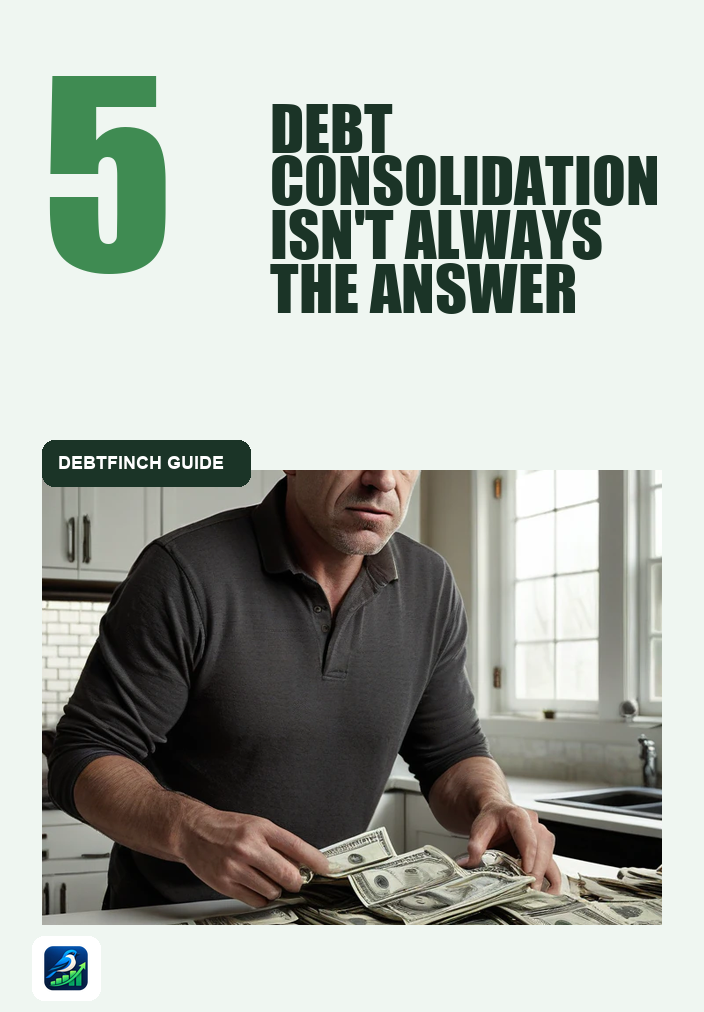

Understanding Debt Consolidation: When It Falls Short
Debt consolidation can be a powerful tool for managing financial burdens, but it isn’t a universal solution. Many individuals find themselves still buried in bills after attempting to consolidate their debts. Understanding common pitfalls can help you navigate the complexities of debt management more effectively. Let’s explore the mistakes that can lead to failed debt consolidation efforts.
1. Failing to Address Underlying Spending Habits
One of the most significant mistakes people make when consolidating debt is not tackling the root cause of their financial issues. If you only focus on combining your debts without changing your spending habits, you may find yourself in the same situation again.
- Impulse Spending: If you’re still making impulsive purchases, consolidating your debt won’t solve the problem. Create a budget that outlines essential expenses and stick to it.
- Lack of Financial Education: Many individuals lack basic financial literacy, leading to poor decision-making. Consider seeking resources or workshops to improve your understanding of budgeting and debt management.
2. Choosing the Wrong Consolidation Method
Debt consolidation can take several forms, including personal loans, balance transfer credit cards, and home equity loans. Each method has its pros and cons, and selecting the wrong one can lead to further financial complications.
- Personal Loans: While they can offer lower interest rates, they often require good credit. If your credit score is low, you may end up with a loan that has higher rates than your existing debts.
- Balance Transfer Credit Cards: These cards often have promotional rates, but be cautious. If you don’t pay off the balance before the promotional period ends, you could face high interest charges.
- Home Equity Loans: Tapping into your home equity can provide significant funds, but it puts your home at risk. If you cannot repay the loan, you could face foreclosure.
3. Ignoring Fees and Terms
Another common mistake is overlooking the fees and terms associated with debt consolidation. Many people are attracted to the idea of lower monthly payments but fail to read the fine print.
- Origination Fees: Some lenders charge fees to set up the loan, which can add to your overall debt burden.
- Variable Interest Rates: Be wary of loans with adjustable rates that can increase over time, making your payments more expensive.
- Prepayment Penalties: Some loans impose penalties if you pay them off early, which can be counterproductive if your financial situation improves.
4. Not Setting a Clear Repayment Plan
Consolidating debt without a solid repayment plan can lead to failure. It’s essential to have a clear strategy for how you will pay off your consolidated debt.
- Establish a Timeline: Determine when you want to be debt-free and create a timeline that breaks down your payments.
- Automate Payments: Setting up automatic payments can help you stay on track and avoid missed payments, which can lead to additional fees and interest.
5. Accumulating New Debt
One of the most significant dangers of debt consolidation is the potential for accumulating new debt. After consolidating, some individuals feel a sense of relief and may return to their old spending habits.
- Credit Card Use: If you consolidate credit card debt but continue to use those cards, you will end up with more debt than before. It’s crucial to cut up or lock away cards until you’ve established better financial habits.
- Emotional Spending: Emotional triggers can lead to unnecessary purchases. Identify these triggers and find healthier coping mechanisms.
6. Not Seeking Professional Guidance
Many individuals attempt to navigate debt consolidation on their own without understanding the complexities involved. Consulting with a financial advisor or credit counselor can provide valuable insights.
- Understanding Options: Professionals can help you understand the various debt relief options available, such as debt management plans or bankruptcy, which may be more suitable for your situation.
- Debt Counseling: A credit counselor can work with you to create a personalized plan that addresses your specific financial situation and helps set realistic goals.
7. Overlooking the Impact on Credit Score
Debt consolidation can affect your credit score in various ways, and many people fail to consider this impact. Understanding how your actions will influence your credit is essential for long-term financial health.
- New Credit Accounts: Opening new lines of credit can temporarily lower your score. Be strategic about when to apply for new credit.
- Credit Utilization: Consolidating debt may improve your credit utilization ratio, but only if you stop using the cards that were consolidated.
Next Steps: Moving Forward with Your Financial Journey
Debt consolidation can be a valuable strategy, but it’s not a one-size-fits-all solution. By avoiding the common mistakes outlined above, you can set yourself up for a more successful debt management journey. Here’s what you can do next:
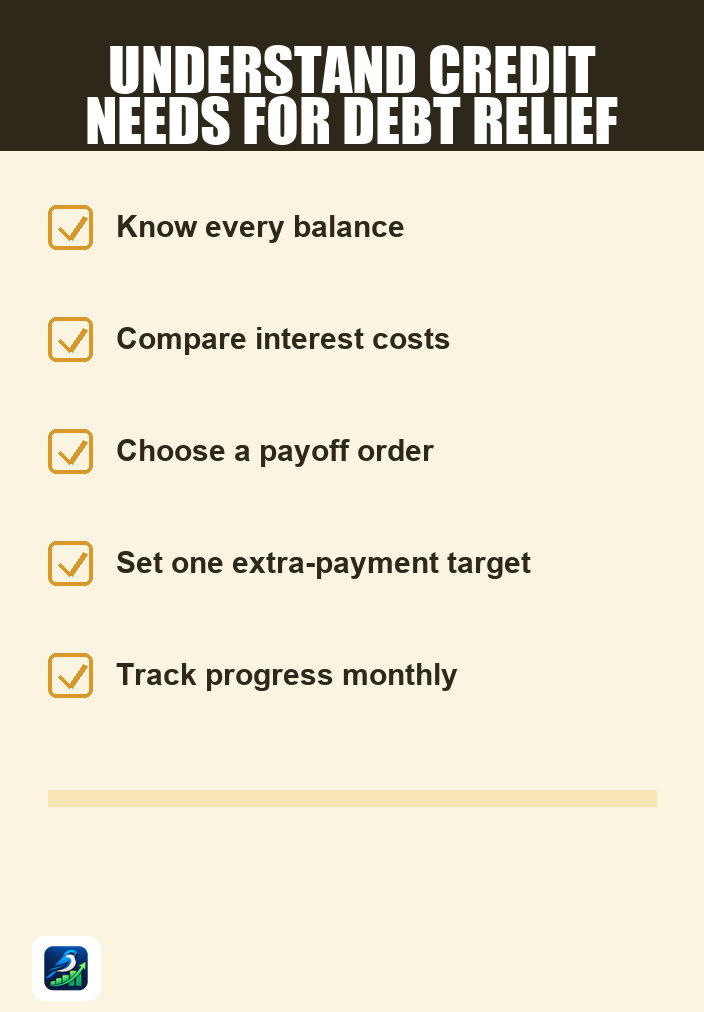
- Assess your spending habits and create a budget.
- Research different debt consolidation methods to find the best fit for your needs.
- Read the terms and conditions carefully before committing to any debt consolidation option.
- Develop a clear repayment plan and consider automating your payments.
- Seek professional guidance if you feel overwhelmed or uncertain.
Taking a proactive approach to managing your debts will help you navigate the challenges ahead and work towards a more secure financial future.