
Understanding Debt Settlement: When It Works Best
Debt settlement can be a viable option for individuals overwhelmed by debt. However, it’s essential to know when it is most effective and how it differs from other debt relief options. In this article, we’ll explore real-life scenarios where debt settlement can be beneficial, the factors that influence its success, and the alternatives to consider.
What is Debt Settlement?
Debt settlement involves negotiating with creditors to reduce the total amount of debt owed. Instead of paying the full balance, you agree to pay a lump sum that is less than what you originally owed. This approach can be appealing for those facing financial difficulties, but it is not without its challenges.
How Debt Settlement Differs from Other Debt Relief Options
- Debt Consolidation: This involves combining multiple debts into a single loan, ideally with a lower interest rate. The goal is to make payments more manageable without reducing the total debt.
- Debt Management: This is a structured repayment plan facilitated by a credit counseling agency, where you make monthly payments to the agency, which then pays your creditors.
- Bankruptcy: A legal process that can discharge most debts, but has long-term consequences on your credit. It should be considered when other options are not viable.
When Debt Settlement Works Best
Debt settlement is not a one-size-fits-all solution. Here are specific scenarios where it may be the most effective option:
1. Significant Unsecured Debt
Individuals with substantial unsecured debt, such as credit cards or medical bills, often find debt settlement to be a practical approach. For instance, someone with $30,000 in credit card debt may struggle to make minimum payments. In this case, negotiating a settlement for a lower amount can provide a clearer path to financial recovery.
2. Financial Hardship
Debt settlement is most applicable during periods of financial hardship. If you’ve lost your job, faced unexpected medical expenses, or dealt with other financial crises, creditors may be more willing to negotiate. For example, if you can demonstrate a genuine inability to pay, creditors might agree to a lower settlement amount.
3. Time Constraints
When time is of the essence, debt settlement can be a quicker solution compared to other methods. If you’re facing lawsuits or collections, settling your debts can halt these actions. For example, if a creditor is threatening legal action, reaching a settlement can help you avoid court and the associated costs.
4. Willingness to Negotiate
Successful debt settlement requires negotiation skills and persistence. If you are comfortable negotiating with creditors and can present your case clearly, you may have better outcomes. For instance, someone who can confidently articulate their financial situation may be more successful in reaching a favorable agreement.
Factors to Consider Before Choosing Debt Settlement
Before pursuing debt settlement, it’s crucial to weigh the potential risks and drawbacks:
- Impact on Credit Score: Debt settlement can negatively affect your credit score, as it indicates that you did not pay the full amount owed.
- Tax Implications: The IRS may consider forgiven debt as taxable income, which could lead to unexpected tax liabilities.
- Time Commitment: Settling debts can take time and may require multiple negotiations, which can be stressful.
Examples of Successful Debt Settlement Scenarios
Let’s look at some examples to illustrate when debt settlement has worked effectively:
Example 1: The Overwhelmed Borrower
A borrower with $25,000 in credit card debt faced mounting financial pressure after losing their job. Unable to keep up with minimum payments, they contacted their creditors and proposed a settlement. After negotiations, they settled for $15,000, allowing them to pay off the debt in a lump sum. Though their credit score took a hit, they could start fresh without the burden of overwhelming debt.
Example 2: Medical Bills After a Health Crisis
A person incurred $10,000 in medical bills due to an unexpected health crisis. After exhausting their savings and facing collection calls, they approached the hospital’s billing department. They explained their situation and proposed a settlement of $6,000. The hospital agreed, allowing the individual to clear their debt and avoid further collection actions.
Alternatives to Debt Settlement
If debt settlement doesn’t seem like the right fit for you, consider these alternatives:
- Debt Consolidation: If you have a steady income, consolidating debts into a lower-interest loan may be a better option.
- Credit Counseling: A credit counselor can help you create a budget and develop a plan to pay off your debt without settling.
- Bankruptcy: If your financial situation is dire, speaking with a bankruptcy attorney can help you understand your options for discharging debts.
Practical Next Steps
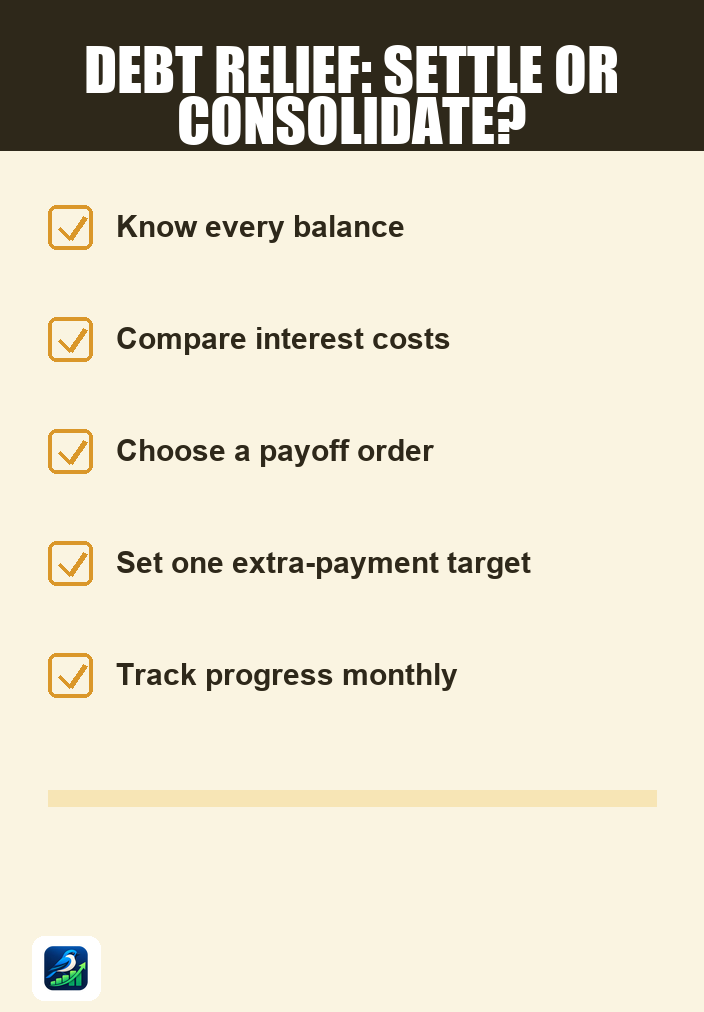
If you’re considering debt settlement, start by evaluating your financial situation. Gather information about your debts, including amounts owed and interest rates. Assess your ability to negotiate and whether you feel comfortable doing so. It may also be wise to consult with a financial advisor or credit counselor to explore all available options.
Remember, debt settlement is just one tool in managing debt. Understanding your choices and their implications will empower you to make informed decisions tailored to your unique financial circumstances.



















