
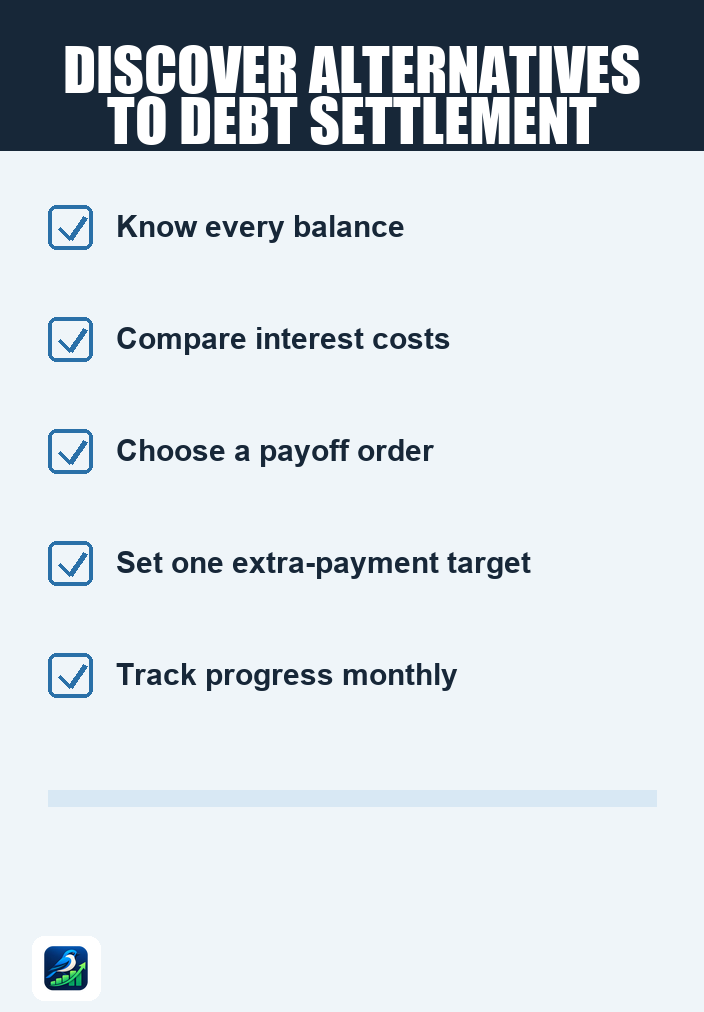
Understanding Debt Settlement and Its Limitations
Debt settlement can seem like an appealing option for those overwhelmed by consumer debt. The idea of negotiating with creditors to pay less than what you owe is certainly attractive. However, it’s important to recognize that debt settlement isn’t always the best choice for everyone. Before diving into this option, it’s crucial to understand how it works, its potential downsides, and the alternatives available.
What is Debt Settlement?
Debt settlement involves negotiating with creditors to reduce the total amount owed. Generally, consumers will work with a debt settlement company or negotiate directly with creditors to settle debts for less than the full balance. This process often requires the consumer to stop making payments on their debts for a period, allowing them to save money to offer a lump-sum settlement.
Who Might Benefit from Debt Settlement?
Debt settlement could be a viable option for individuals who:
- Have significant unsecured debt (like credit cards) and are facing financial hardship.
- Have the ability to make a lump-sum payment after negotiating a settlement.
- Are not concerned about the short-term impact on their credit score.
For some, the prospect of paying a reduced amount can provide relief. However, it’s essential to evaluate whether these conditions apply to your situation.
Potential Drawbacks of Debt Settlement
While debt settlement can lead to reduced debt amounts, it also comes with significant risks and consequences:
Impact on Credit Score
One major downside is the potential damage to your credit score. When you stop making payments to negotiate a settlement, your credit score may decline significantly. Accounts that are settled for less than owed may be marked as “settled,” which can also negatively affect your credit report.
Tax Implications
Another consideration is the tax implications. Forgiven debt may be considered taxable income by the IRS, which means you could face a tax bill for any amount that is forgiven during the settlement process. It’s advisable to consult a tax professional to understand how debt settlement might affect your tax situation.
Fees and Costs
Debt settlement companies often charge fees for their services, which can be substantial. These fees may be based on the amount of debt enrolled or the amount saved, and they can add up quickly. Be cautious about the total costs involved and whether the potential savings outweigh these expenses.
Length of Process
The settlement process can take time, often several months or even years, depending on the amount owed and the willingness of creditors to negotiate. During this time, your debts may continue to accumulate interest and fees, making your financial situation more precarious.
Alternatives to Debt Settlement
If debt settlement doesn’t seem like the right path for you, several alternatives may be worth exploring:
Debt Consolidation
Debt consolidation involves taking out a new loan to pay off multiple debts. This can simplify payments and potentially lower interest rates. However, it requires a good credit score to secure favorable loan terms.
Debt Management Plans (DMPs)
DMPs are structured plans offered by credit counseling agencies where you make a single monthly payment to the agency. They distribute the funds to your creditors. This can help reduce interest rates or fees, but it typically requires you to adhere to a strict budget.
Bankruptcy
For those facing overwhelming debt without realistic repayment options, bankruptcy may be a solution. While it has long-term consequences for credit, it can provide a fresh start. Consulting with a bankruptcy attorney can help you understand your options.
Criteria for Choosing Debt Settlement
If you are still considering debt settlement, evaluate the following criteria:
- Assess your total debt and whether it’s primarily unsecured.
- Determine your ability to make a lump-sum payment.
- Consider how much damage you can handle to your credit score.
- Weigh the costs of settling against the potential savings.
- Consult financial or legal professionals to understand the implications fully.
Conclusion
Debt settlement may provide relief for some individuals, but it isn’t a one-size-fits-all solution. The impact on credit scores, potential tax consequences, and overall costs can make it a less attractive option for many. Understanding the alternatives and carefully evaluating your financial situation is crucial before making a decision.
Next Steps
If you’re considering debt settlement, take the following steps:
- Gather all your financial documents and list your debts.
- Research and compare alternatives such as debt consolidation and debt management plans.
- Consult with a financial advisor or credit counselor to gain insights into your options.
- Consider the long-term implications of each choice before proceeding.
Making informed decisions about your debt situation is essential to achieving financial freedom.



















