
Understanding Credit Requirements in Debt Consolidation
Debt consolidation can be a useful tool for those looking to simplify their finances and reduce the stress associated with multiple debts. However, one critical aspect that many individuals overlook is the importance of understanding and adhering to credit requirements. Ignoring these requirements can significantly derail your chances of successfully consolidating your debt and achieving financial stability.
What is Debt Consolidation?
Before diving into the specifics of credit requirements, it’s essential to clarify what debt consolidation entails. Debt consolidation involves combining multiple debts into a single loan or payment plan. This approach can streamline payments, potentially lower interest rates, and make it easier to manage your overall debt load.
However, debt consolidation is not a one-size-fits-all solution. It can be achieved through various methods, such as obtaining a personal loan, utilizing a balance transfer credit card, or enrolling in a debt management program. Each method comes with its own set of credit requirements and implications.
Why Credit Requirements Matter
When considering debt consolidation, your credit score and history play a crucial role in determining your eligibility for certain loans or programs. Ignoring these requirements can lead to several unfavorable outcomes:
- Higher interest rates: If your credit score is below a certain threshold, lenders may offer you loans with higher interest rates, negating the benefits of consolidation.
- Loan denial: Many consolidation options require a minimum credit score for approval. Ignoring this can lead to outright denial of your application.
- Limited options: A low credit score may restrict your choices, forcing you to opt for less favorable terms.
- Impact on credit score: Some consolidation methods, like applying for new credit, can temporarily lower your credit score, which can be detrimental if you are already in a precarious financial situation.
Assessing Your Credit Situation
Before pursuing debt consolidation, it’s vital to assess your current credit situation. Here are some practical steps to take:
1. Check Your Credit Report
Obtain a copy of your credit report from a reputable source. Review it for any inaccuracies or outdated information. Disputing errors can improve your credit score and enhance your chances of qualifying for better consolidation options.
2. Understand Your Credit Score
Know your credit score and understand how it impacts your borrowing power. Different lenders have varying criteria for what constitutes a “good” credit score, so it’s beneficial to know where you stand.
3. Identify Factors Affecting Your Score
Consider the factors that influence your credit score, including payment history, credit utilization, length of credit history, and recent inquiries. Addressing negative aspects, such as late payments, can help improve your score over time.
Exploring Debt Consolidation Options
Once you have a clear understanding of your credit situation, you can explore various debt consolidation options. Here’s a breakdown of common methods:
1. Personal Loans
Personal loans can be an effective way to consolidate debt, but they often require a good credit score for the best rates. If your score is not strong, consider working to improve it before applying.
2. Balance Transfer Credit Cards
These cards allow you to transfer high-interest debt to a new card with a lower interest rate, often for an introductory period. However, they typically require good credit for approval, and the balance transfer fees can add up.
3. Debt Management Plans
These plans involve working with a credit counseling agency to create a structured repayment plan. While they can be beneficial, they may also have credit requirements, and you should ensure that the agency is reputable.
Evaluating Trade-offs of Debt Consolidation
While debt consolidation can offer relief, it’s essential to weigh the trade-offs involved:
- Long-term vs. Short-term: Consolidating debt can provide short-term relief, but if you don’t address the underlying issues causing the debt, you may find yourself in a similar situation later.
- Costs: Consider any fees associated with the consolidation method. For example, personal loans may have origination fees, while balance transfer cards might charge a transfer fee.
- Impact on Credit Score: Some methods can temporarily lower your score, so it’s crucial to plan for this potential impact.
Alternatives to Debt Consolidation
If debt consolidation isn’t a viable option due to credit requirements, consider these alternatives:
- Debt Snowball Method: Focus on paying off your smallest debts first while making minimum payments on larger debts. This approach can build momentum and motivation.
- Debt Settlement: This involves negotiating with creditors to settle debts for less than what you owe. However, it can significantly impact your credit score and may not be suitable for everyone.
- Bankruptcy: This is a last resort and has long-lasting effects on your credit. However, it can provide a fresh start if you are overwhelmed by debt.
Next Steps for Successful Debt Consolidation
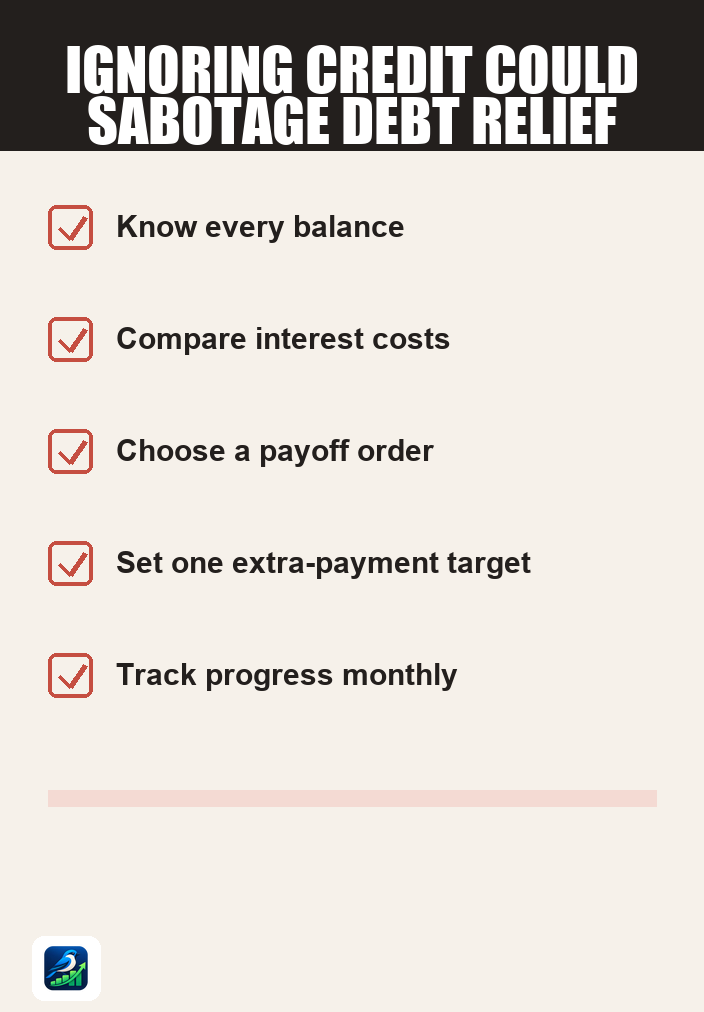
To maximize your chances of success in debt consolidation, follow these practical steps:
- Assess your credit situation thoroughly.
- Research different consolidation options and their credit requirements.
- Consider improving your credit score before applying for consolidation.
- Evaluate the trade-offs and alternatives to find the best strategy for your situation.
- Consult with a financial advisor or credit counselor if needed.
By being mindful of your credit requirements, you can make informed decisions about debt consolidation and avoid potential pitfalls that could hinder your financial recovery.



















