Understanding the Limitations of Credit Card Payoff Calculators
When it comes to managing credit card debt, many consumers turn to credit card payoff calculators as a quick and easy way to visualize their repayment journey. However, these tools might not offer the comprehensive insight you think they do. While they can provide a ballpark figure for monthly payments and timelines, they often fail to capture the full complexity of your financial situation. In this article, we’ll break down the limitations of credit card payoff calculators and offer practical advice for using them effectively.
What Credit Card Payoff Calculators Do
Credit card payoff calculators are designed to help you estimate how long it will take to pay off your credit card debt based on certain inputs. Typically, you enter the following details:
- Your total credit card balance
- Your current interest rate
- Your desired monthly payment
From these details, the calculator generates an estimate of how many months it will take to pay off your balance, along with the total interest you will pay during that time. This can provide a general guideline for your repayment plan.
The Reality: What Calculators Often Miss
While credit card payoff calculators can be helpful, they often overlook critical variables that can significantly impact your repayment journey. Here are some important factors to consider:
1. Changing Interest Rates
Many calculators operate under the assumption that your interest rate will remain constant throughout the repayment period. However, credit card interest rates can fluctuate based on market conditions, your credit score, and the policies of your credit card issuer. If your rate increases, your payoff timeline may extend beyond the calculator’s estimate.
2. Additional Charges
Credit card companies may charge fees for late payments, cash advances, or exceeding your credit limit. These charges can add to your balance, altering the time it will take to pay off your debt. Calculators typically do not account for these additional costs, so it’s essential to factor them into your strategy.
3. Payment Variability
Life can be unpredictable, and your financial situation may change. You might start with a specific monthly payment but may not always be able to maintain that amount. Many calculators do not allow for variability in payments, making it difficult to create a realistic repayment plan.
4. Emotional and Behavioral Factors
Debt repayment is not just a mathematical problem; it involves emotional and behavioral aspects as well. Many people struggle to stick to a payment plan due to impulse spending or unexpected expenses. A calculator doesn’t account for these human factors, making it crucial to have a broader strategy in place.
Effective Strategies for Managing Credit Card Debt
Understanding the limitations of credit card payoff calculators can help you approach your debt more thoughtfully. Here are some practical strategies to consider:
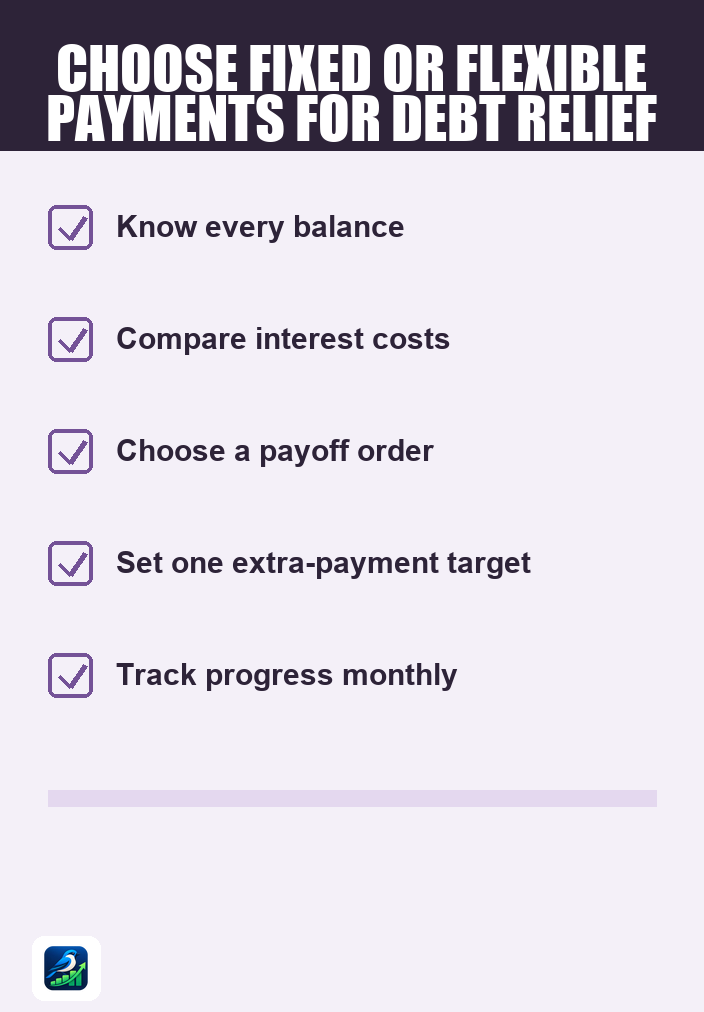
1. Create a Comprehensive Budget
Start by evaluating your monthly income and expenses to create a budget that outlines how much you can realistically allocate to debt repayment. This will give you a clearer picture of your financial health and help you make informed decisions.
2. Prioritize High-Interest Debt
Consider using a debt avalanche approach, where you focus on paying off high-interest debts first. This can save you money on interest in the long run. If you have multiple credit cards, list them in order of interest rates and direct extra payments towards the highest one while making minimum payments on the others.
3. Explore Debt Consolidation Options
Debt consolidation involves combining multiple debts into a single loan, often with a lower interest rate. This can simplify payments and potentially lower your interest costs. However, be aware of the potential drawbacks, including fees associated with consolidation loans and the risk of extending your repayment timeline.
4. Use a Debt Management Plan
If you feel overwhelmed, consider working with a credit counseling agency to develop a debt management plan (DMP). A DMP can help you lower monthly payments and negotiate with creditors on your behalf. Just be cautious and ensure that the agency is reputable, as not all offer the same quality of service.
5. Avoid New Debt
While you’re working to pay off existing debt, it’s crucial to avoid accumulating new debt. This may mean reevaluating your spending habits and being more mindful about using credit cards. Consider using cash or a debit card for purchases while you’re in the repayment phase.
Next Steps: Taking Control of Your Debt
Credit card payoff calculators can offer guidance, but they are just one tool in your financial toolbox. To effectively manage your credit card debt, create a comprehensive budget, prioritize your payments, and explore various repayment strategies. Remember, understanding your financial landscape is critical to making informed decisions that align with your long-term goals.
By taking proactive steps, you can regain control over your debt and work towards a more secure financial future.