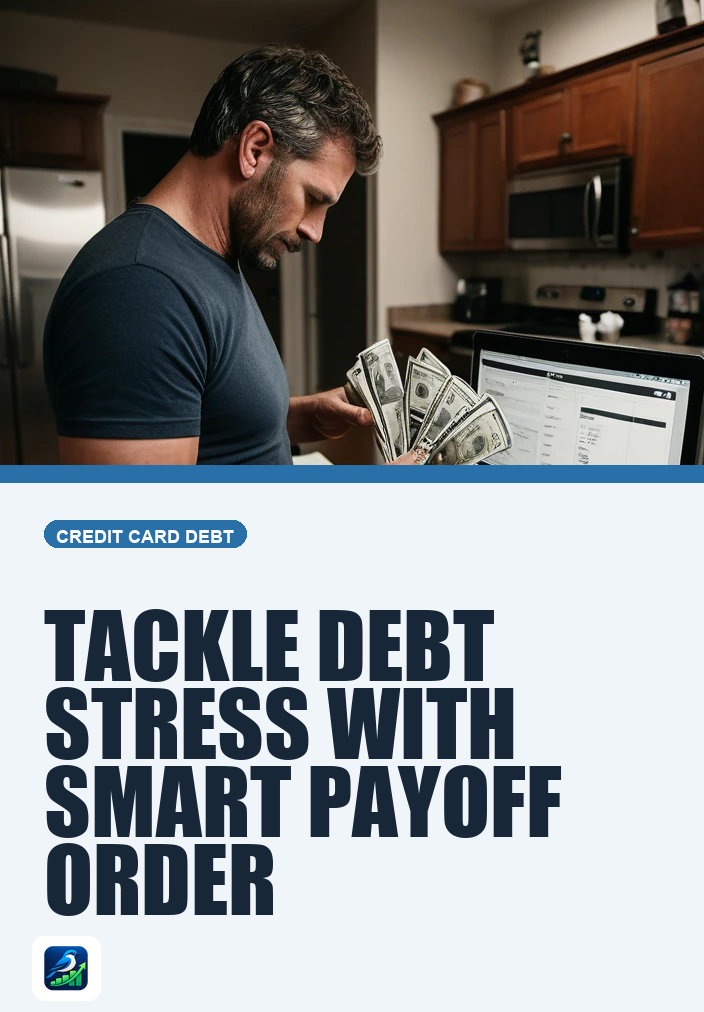
Understanding Credit Card Debt and Its Impact
Credit card debt can feel overwhelming, especially when it starts piling up. The stress of managing multiple payments, varying interest rates, and the constant worry about your credit score can weigh heavily on your mind. Mastering your credit card payoff order is a crucial step in alleviating that stress and taking control of your finances. This article will explore effective strategies to organize and prioritize your credit card payments, helping you to tackle your debt systematically.
Determining Your Payoff Strategy
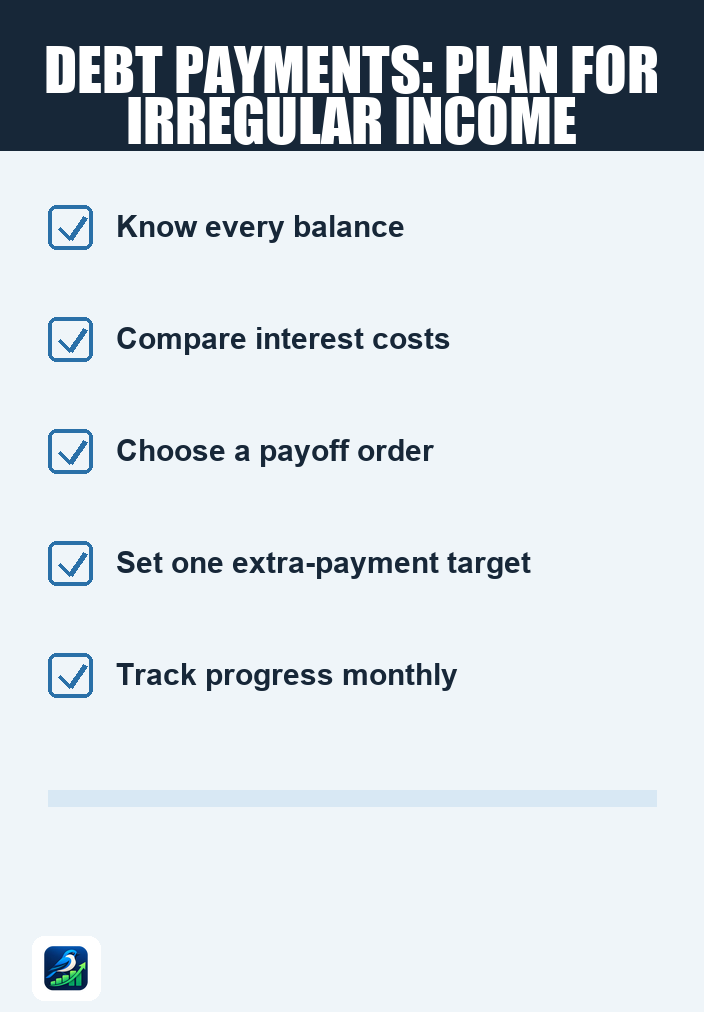
Before diving into specific strategies, it’s essential to identify the two most common approaches to paying off debt: the avalanche method and the snowball method.
The Avalanche Method
The avalanche method focuses on paying off debts with the highest interest rates first. This strategy can save you money in the long run since you’ll pay less in interest overall.
- Identify your debts: List all your credit card debts along with their respective interest rates.
- Focus on the highest rate: Direct any extra funds toward the debt with the highest interest rate while making minimum payments on the others.
- Repeat: Once the highest-rate debt is paid off, move to the next highest, and so on.
The Snowball Method
The snowball method, in contrast, prioritizes paying off the smallest debts first. This approach may offer psychological benefits, as paying off smaller debts can provide a sense of accomplishment and motivate you to continue.
- List your debts: Organize your debts from smallest to largest.
- Target the smallest: Put all extra funds toward the smallest debt while maintaining minimum payments on larger debts.
- Celebrate small wins: Once the smallest debt is cleared, move to the next one on the list.
Evaluating Your Financial Situation
Before deciding on a payoff strategy, evaluate your financial situation. Consider the following:
- Monthly budget: Analyze your income and expenses to determine how much you can allocate to debt repayment each month.
- Emergency fund: Ensure you have some savings for emergencies to avoid adding more debt.
- Future expenses: Account for any upcoming expenses that may affect your budget.
By understanding your financial landscape, you can make a more informed decision on your debt repayment strategy.
Organizing Your Credit Card Payments
Once you’ve chosen a payoff strategy, it’s time to organize your payments effectively. Here are some practical steps to streamline the process:
Create a Payment Calendar
Use a calendar to track payment due dates. This will help you avoid late fees and the negative impact they have on your credit score. Mark important dates, including the day when payments are due and any extra payments you plan to make.
Set Up Alerts
Most banks offer alert services that notify you of upcoming due dates or when your balance changes. Consider setting these alerts to keep your payments on track.
Automate Payments
If possible, automate your minimum payments to ensure they are always made on time. You can also schedule extra payments for when you have additional funds, such as after receiving a bonus or tax refund.
Consider Consolidation or Negotiation Options
If your credit card debt feels unmanageable, you might explore consolidation or negotiation options. Here’s a breakdown:
Debt Consolidation
Debt consolidation involves combining multiple debts into one loan, often with a lower interest rate. This can simplify payments but comes with trade-offs:
- Lower interest rate: You may save money on interest payments.
- Single payment: Reduces the number of payments you need to manage each month.
- Extended repayment period: This may lower your monthly payments but could increase the total interest paid over time.
Debt Settlement
Debt settlement involves negotiating with creditors to pay a reduced amount. While this may seem appealing, consider the drawbacks:
- Potential for credit score damage: Settling debts can negatively impact your credit score.
- Tax implications: Forgiven debt may be considered taxable income.
- Not guaranteed: Creditors are not obligated to accept settlement offers.
Staying Motivated During the Process
Paying off credit card debt can be a lengthy process, so maintaining motivation is crucial. Here are some tips to keep yourself engaged:
- Set milestones: Break down your debt into manageable milestones and celebrate when you reach each one.
- Visualize progress: Use charts or graphs to visualize your debt reduction over time.
- Stay informed: Read articles, join forums, or participate in community groups focused on debt reduction to stay motivated and inspired.
Next Steps in Your Debt Payoff Journey
Mastering your credit card payoff order is a significant step toward overcoming debt stress. Start by identifying your financial situation and choosing a payoff strategy that works best for you, whether that’s the avalanche or snowball method. Organize your payments, consider consolidation if necessary, and stay motivated throughout the process. Remember, patience and persistence are key components in achieving your financial goals.
As you embark on your journey to financial freedom, take it one step at a time, and don’t hesitate to seek professional guidance when needed.