
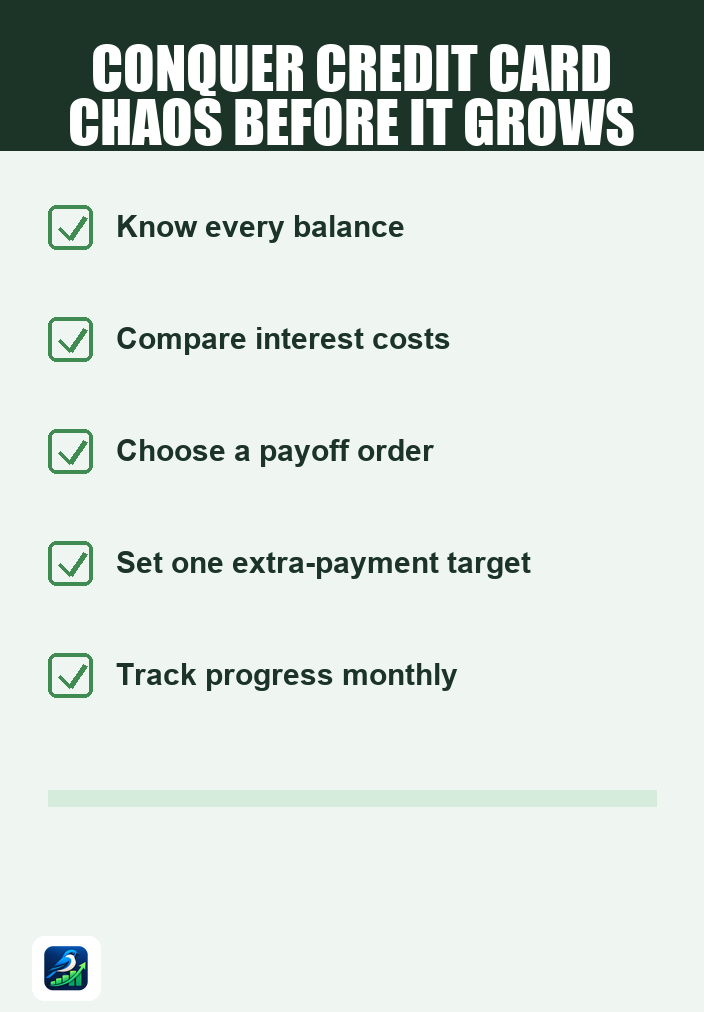
Understanding Your Credit Card Payoff Order
Managing credit card debt can feel overwhelming, especially when multiple cards have varying balances and interest rates. The good news is that you can take control and choose a payoff order that aligns with your financial situation and goals. This article will guide you through practical strategies to help you reduce stress while tackling credit card debt.
The Core Strategies for Payoff Order
There are two primary methods to consider when choosing your credit card payoff order: the avalanche method and the snowball method. Each has its own set of advantages and drawbacks, and your choice depends on your personality and financial objectives.
1. The Avalanche Method
The avalanche method focuses on paying off credit cards with the highest interest rates first. This strategy can save you money in interest payments over time. Here’s how to implement it:
- List Your Cards: Write down all your credit cards along with their balances and interest rates.
- Prioritize: Rank them from highest to lowest interest rate.
- Make Minimum Payments: Continue to pay the minimum on all cards except the one with the highest rate.
- Focus Extra Payments: Put any extra funds towards the card with the highest interest until it’s paid off.
Once the highest interest card is paid, move on to the next one on your list. This method can be more efficient, especially if you have a significant amount of debt across several cards.
2. The Snowball Method
The snowball method, on the other hand, emphasizes paying off the smallest balances first. This approach can provide emotional wins that may motivate you to continue your debt repayment journey. Here’s how to use it:
- List Your Cards: Write down all your credit cards with their balances and interest rates.
- Prioritize: Rank them from smallest to largest balance.
- Make Minimum Payments: Continue to pay the minimum on all cards except the one with the smallest balance.
- Focus Extra Payments: Use any additional funds to pay off the card with the smallest balance first.
Once that card is paid off, move on to the next smallest balance. This method can help build momentum and provide a sense of accomplishment.
Choosing the Right Method for You
Your choice between the avalanche and snowball methods should consider both financial and emotional factors. Here are some questions to ask yourself:
- What is my financial situation? If high-interest debt is causing significant strain, the avalanche method may be better.
- How do I handle stress? If you’re easily overwhelmed, the snowball method might be more appropriate for emotional relief.
- Do I have extra income? If you have additional funds available for debt repayment, consider using the avalanche method for maximum savings.
Other Considerations for Payoff Order
While the avalanche and snowball methods are popular, there are other strategies and considerations that may influence your decision:
Debt Consolidation
If you find managing multiple credit cards challenging, debt consolidation might be an option. This involves combining multiple debts into one by taking out a personal loan or using a balance transfer credit card with a lower interest rate. While this can simplify payments, be cautious:
- Ensure that the consolidation option doesn’t come with high fees.
- Understand the terms and conditions, as they can vary significantly.
- Consider the long-term impact on your financial habits.
Debt Management Plans
If you’re struggling to manage payments, a debt management plan through a credit counseling agency may be beneficial. This involves working with a counselor who can negotiate lower interest rates and create a payment plan. Be aware, however:
- Fees may apply for counseling services.
- Not all creditors may participate.
- Your credit report will reflect your participation in the plan.
Emotional Factors
Debt is not just a financial issue; it’s also emotional. Consider how each method aligns with your feelings about debt. If seeing quick victories helps you feel more in control, the snowball method may be more motivating.
Practical Steps for Managing Credit Card Debt
Once you’ve chosen a repayment method, consider implementing these practical steps to further alleviate stress:
- Create a Budget: A clear budget will help you allocate funds for debt repayment while still covering necessary expenses.
- Establish an Emergency Fund: Having a small emergency fund can prevent further debt accumulation when unexpected expenses arise.
- Limit New Debt: Avoid accumulating new debt by not using credit cards until you’ve made substantial progress on your repayment plan.
- Track Your Progress: Regularly review your debt repayment progress to stay motivated and make adjustments as needed.
Next Steps
Choosing a credit card payoff order doesn’t have to be overwhelming. By evaluating the avalanche and snowball methods, considering consolidation or management plans, and focusing on practical steps, you can create a manageable strategy that works for you. Take the time to assess your situation, prioritize your debts, and set realistic goals.
Remember, everyone’s financial journey is unique. Find what works best for you and take it one step at a time. If necessary, consult with a financial professional to explore your options further.



















