
Understanding Debt Settlement Eligibility: Common Mistakes to Avoid
Debt settlement can be an appealing option for those overwhelmed by consumer debt. However, many individuals inadvertently make mistakes that can jeopardize their eligibility for this type of relief. Understanding these pitfalls is crucial for anyone considering this route to regain financial stability. Below, we outline key errors to avoid and provide practical advice to help you navigate the complexities of debt settlement.
What is Debt Settlement?
Before diving into mistakes, it’s essential to clarify what debt settlement entails. This process involves negotiating with creditors to settle your debts for less than the total amount owed. Unlike debt consolidation, where you combine multiple debts into a single loan, or debt management, which typically involves working with a credit counseling service, debt settlement focuses on reducing what you owe through negotiation.
Eligibility Criteria for Debt Settlement
To qualify for debt settlement, you generally need to meet specific criteria, including:
- A significant amount of unsecured debt, such as credit card debt or medical bills.
- Being behind on payments or at risk of defaulting.
- A willingness to stop making regular payments to creditors during the negotiation process.
Understanding these criteria helps set the stage for recognizing common mistakes that can hinder your eligibility.
Common Mistakes That Can Affect Debt Settlement Eligibility
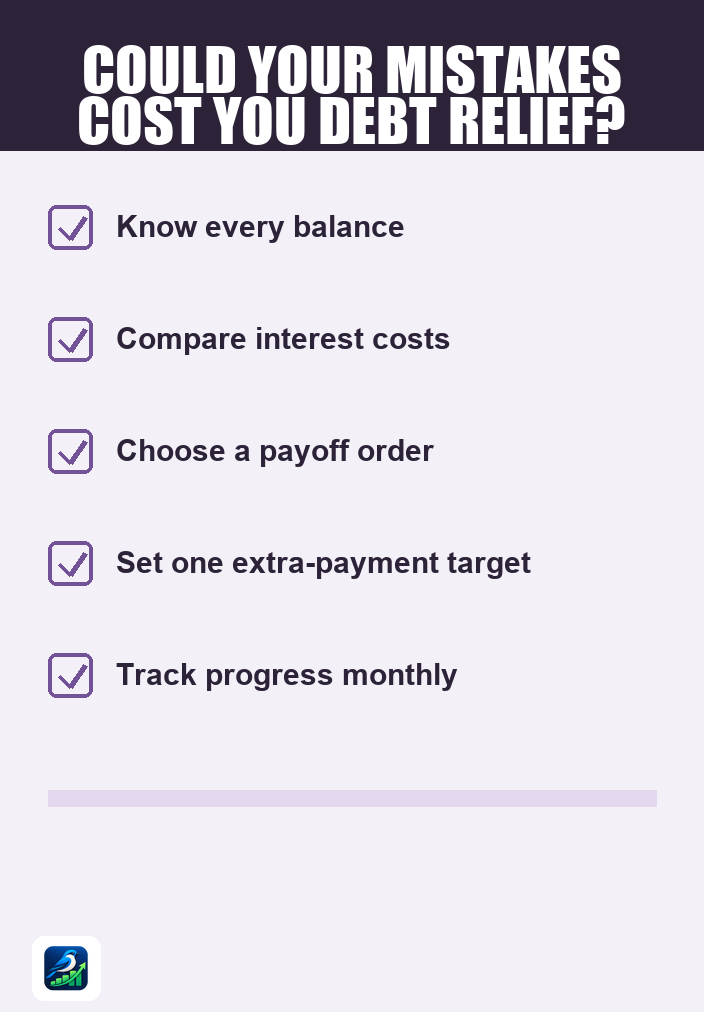
1. Not Understanding the Terms of Your Debts
One of the first missteps is failing to grasp the details of your debts. This includes knowing the types of debt you have, interest rates, and payment terms. For example, secured debts, like mortgages or auto loans, typically cannot be settled through this process. Neglecting to identify these nuances can lead to wasted time and effort on debt that doesn’t qualify for settlement.
2. Ignoring Your Credit Report
Your credit report plays a significant role in the debt settlement process. Many individuals overlook the importance of reviewing their credit report before attempting to settle debts. Problems such as inaccuracies or outdated information can complicate negotiations. Make it a priority to obtain a copy of your report and address any discrepancies before initiating settlement discussions.
3. Attempting to Settle Without a Strategy
Approaching debt settlement without a clear plan can undermine your efforts. It’s essential to develop a strategy that includes:
- Identifying which debts to settle first based on interest rates and balances.
- Determining how much money you can allocate toward settlements.
- Researching creditor policies and typical settlement amounts.
Failing to strategize can lead to missed opportunities or unfavorable settlements.
4. Overlooking the Importance of Communication
When negotiating with creditors, communication is key. Many people make the mistake of either avoiding contact with creditors or being unprepared for discussions. It’s important to:
- Be professional and courteous in all interactions.
- Document conversations and agreements in writing.
- Follow up promptly if you don’t receive a response.
Effective communication can significantly influence the outcome of your negotiations.
5. Failing to Set Aside Funds for Settlements
Debt settlement requires a lump sum payment to settle debts. A common mistake is not setting aside funds specifically for this purpose. Creditors often expect a one-time payment, and without sufficient savings, you may miss opportunities to settle debts when offers are on the table. Establishing a dedicated savings plan can provide the financial cushion needed for successful settlements.
6. Misunderstanding Tax Implications
Many individuals overlook the tax ramifications of debt settlement. When a debt is settled for less than what you owe, the forgiven amount may be considered taxable income. This can lead to unexpected tax liabilities down the road. Consulting with a tax professional beforehand can help you prepare for any potential tax consequences.
7. Rushing the Process
Debt settlement is not a quick fix; it often requires time and patience. Rushing into negotiations without adequate preparation can lead to unfavorable settlements or even rejection from creditors. Take the time to research, plan, and negotiate effectively to improve your chances of success.
Alternatives to Debt Settlement
Before committing to debt settlement, it’s worth considering alternatives that may better suit your situation. These include:
- Debt Consolidation: Combining multiple debts into one loan to reduce interest rates and simplify payments.
- Debt Management Plans: Working with a credit counseling agency to create a structured repayment plan without negotiating settlements.
- Bankruptcy: A legal process that can eliminate certain debts but comes with significant long-term consequences.
Each option has its pros and cons, and understanding these can lead to more informed decisions about managing your debt.
Next Steps for Successful Debt Settlement
Now that you’re aware of the common mistakes that can affect your debt settlement eligibility, here are some actionable next steps:
- Review your debts and credit report thoroughly.
- Create a strategic plan for settlements, including budgeting for lump sum payments.
- Communicate effectively with creditors, documenting all interactions.
- Consider potential tax implications and seek professional advice as needed.
- Explore alternative options if debt settlement doesn’t seem like the best fit for your financial situation.
By avoiding common pitfalls and taking a thoughtful approach, you can improve your chances of successfully navigating the debt settlement process.



















