Understanding the Importance of Credit Reports
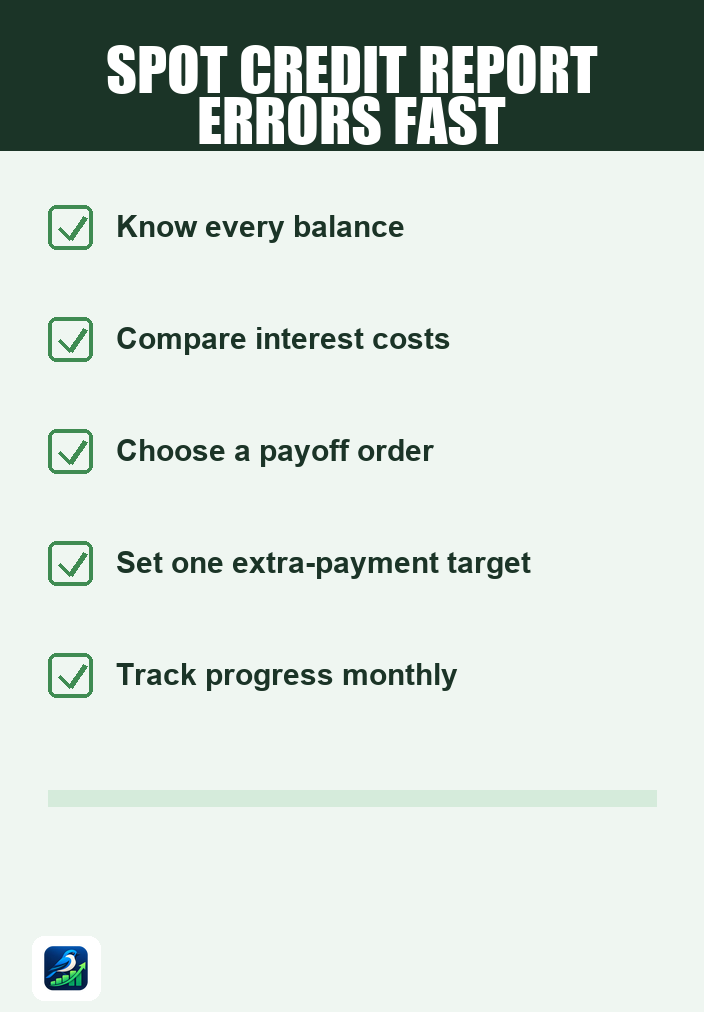
Your credit report is a crucial document that influences many aspects of your financial life. It contains information about your credit accounts, payment history, and any public records like bankruptcies. A clean credit report can help you secure loans, credit cards, and favorable interest rates. However, errors can creep in, affecting your financial health. Checking your credit report for inaccuracies is essential but can feel overwhelming. Let’s break down how to do this without stressing over every detail.
How to Access Your Credit Report
The first step in checking your credit report is obtaining a copy. In many jurisdictions, you’re entitled to at least one free credit report per year from each of the major credit reporting agencies. This ensures you have the opportunity to review your information without incurring costs.
- Annual Review: Use your free annual credit report to get a baseline of your credit status.
- Online Access: Most agencies allow you to access your report online. Ensure you have necessary identification documents ready.
- Multiple Reports: Consider spreading out your requests. For example, request one report every four months to monitor your credit throughout the year.
Identifying Key Areas to Review
When you get your credit report, it’s critical to focus on specific sections. While it can be tempting to scrutinize every detail, honing in on key areas can alleviate stress.
Personal Information
Check that your name, address, and Social Security number are accurate. Mistakes here can lead to confusion and misidentification. If you notice discrepancies, contact the reporting agency to correct them.
Account Information
Verify each account listed. Look for:
- Open Accounts: Ensure all opened accounts are yours. If you find ones you don’t recognize, it may indicate fraud.
- Payment History: Check that payments are accurately reported. Late payments can significantly impact your credit score.
- Credit Utilization: Review your credit limit and balances. High utilization can lower your score.
Public Records and Inquiries
Public records can include bankruptcies, foreclosures, or tax liens. Ensure they are accurate and that any negative information is reported correctly. Additionally, examine recent inquiries. Too many hard inquiries can negatively affect your credit score.
How to Dispute Errors Effectively
If you find errors, disputing them is your next step. Here’s how to do it without feeling overwhelmed:
Document Everything
Keep records of your findings. Note the specific errors, the dates, and any communication you have regarding the dispute. This documentation will be useful if you need to escalate the issue.
Contacting the Credit Bureau
File a dispute with the credit bureau that reported the error. You can often do this online, which simplifies the process. Most agencies will investigate the claim and respond within 30 days. Provide any supporting documents to strengthen your case.
Follow Up
After filing your dispute, don’t forget to follow up. If the bureau does not respond within the specified timeframe, reach out to ensure your claim is being processed. Keep a record of all communications.
Understanding the Trade-offs
While addressing inaccuracies can improve your credit report, it’s crucial to understand the trade-offs involved. Correcting errors may not instantly boost your credit score, as other factors play significant roles. Additionally, if you’re considering debt relief options, be aware of potential impacts on your credit.
Debt Consolidation vs. Debt Settlement
Understanding the differences between debt consolidation and debt settlement can help you make informed decisions about your financial future:
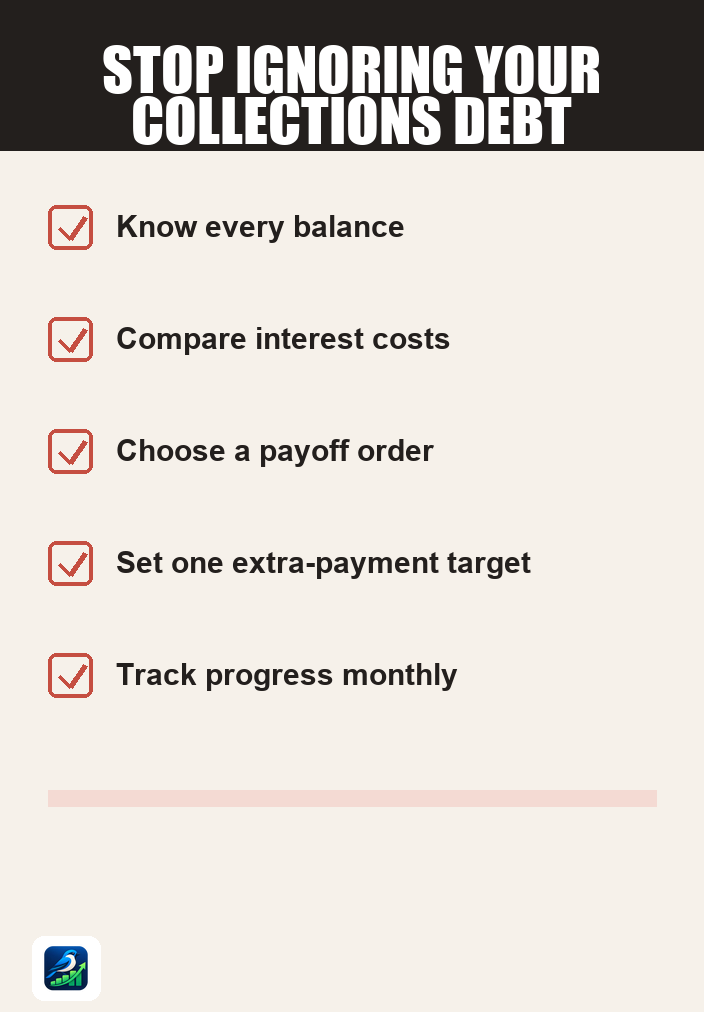
- Debt Consolidation: This involves combining multiple debts into a single loan, often at a lower interest rate, which simplifies payments.
- Debt Settlement: This is negotiating with creditors to pay less than what you owe. While it can reduce the total debt, it may also harm your credit score.
Bankruptcy Considerations
For some, bankruptcy may be a necessary step. However, it has lasting effects on your credit report. Consult a professional to understand the implications fully.
Practical Steps to Maintain Your Credit Health
Once you’ve reviewed your credit report and addressed any inaccuracies, maintaining good credit health is crucial. Here are some practical tips:
- Pay Bills on Time: Set reminders to avoid late payments.
- Limit New Credit Applications: Only apply for credit when necessary to minimize hard inquiries.
- Monitor Your Credit: Consider using free credit monitoring services to keep an eye on your credit health.
Next Steps: Your Credit Journey
Checking your credit report for errors doesn’t need to be a stressful process. By focusing on the key areas, documenting your findings, and understanding your options, you can tackle the task efficiently. Remember, maintaining a healthy credit profile is a long-term commitment. Stay proactive, keep your records organized, and don’t hesitate to seek professional guidance if you’re feeling overwhelmed.