Understanding Your Collections: The First Step
When it comes to dealing with collections, the first step is understanding what you’re facing. Collections occur when a creditor has not received payment for a debt and sells the account to a collection agency. This can lead to negative impacts on your credit score and create financial stress.
Gathering Information on Your Debt
Before you can successfully pay off collections, you need to gather relevant information about your debts. Here’s how to start:
- Request a Validation Letter: When a debt is sent to collections, you have the right to request a validation letter. This document should detail the amount owed, the original creditor, and any other relevant information. If you don’t receive this, you’re entitled to dispute the charge.
- Check Your Credit Report: Obtain a copy of your credit report from a reputable source. Look for any inaccuracies regarding the collection accounts. If you find errors, you can dispute them with the credit bureaus.
- List All Collection Accounts: Create an organized list of all your collection accounts, noting the amount owed, the creditor, and any relevant dates. This will help you keep track of your debts and prioritize which ones to tackle first.
Evaluating Your Financial Situation
Once you have all the necessary information, evaluate your overall financial situation. This includes understanding your income, expenses, and existing debts. Here are some steps to guide you:
- Calculate Your Monthly Budget: List all your income sources and monthly expenses. This will help you see how much money you can allocate toward paying off your collections.
- Identify Discretionary Spending: Look for areas where you can cut back on discretionary spending. This might include dining out, subscriptions, or other non-essential expenses.
- Set Aside an Emergency Fund: Before aggressively paying off collections, make sure you have a small emergency fund in place. This can prevent you from falling back into debt if unexpected expenses arise.
Choosing Your Payment Strategy
With a clear understanding of your debts and a budget in place, it’s time to decide how you’ll tackle those collections. Here are some common strategies:
1. Pay in Full
If possible, paying the debt in full can often be the simplest option. This may also help you negotiate with the collection agency for potential removal of the collection from your credit report. However, ensure that paying in full won’t leave you in a precarious financial position.
2. Negotiate a Settlement
Negotiating a settlement means offering a lower amount than what you owe to resolve the debt. This can be beneficial if you can’t pay the full amount. Just be cautious: settlements can have tax implications, and the collection may remain on your credit report.
3. Set Up a Payment Plan
If you cannot afford to pay the full amount upfront, consider setting up a payment plan with the collection agency. Make sure that the payments are manageable within your budget.
4. Consider Debt Management Plans
Debt management plans involve working with a credit counseling agency to negotiate lower payments or interest rates. This can be helpful if you have multiple collections, but it often requires monthly fees and may take time to set up.
5. Explore Debt Settlement Options
Debt settlement companies can negotiate on your behalf, but they often charge hefty fees and can negatively affect your credit score. Be wary of this option, as it’s not suitable for everyone.
Understanding the Impact on Your Credit Score
When dealing with collections, it’s essential to understand how your actions may impact your credit score. Here are a few key points:
- Paid vs. Unpaid Collections: Paying off a collection account doesn’t immediately remove it from your credit report, but it can improve your creditworthiness over time.
- Time Factor: Collection accounts typically remain on your credit report for seven years, but their impact lessens over time, especially if you actively work to improve your credit through responsible financial behaviors.
- Future Credit Opportunities: Lenders may view paid collections more favorably than unpaid ones, impacting your ability to obtain future credit.
Keeping Communication Open
Maintaining communication with creditors and collection agencies is crucial throughout the process. Here are some tips:
- Document Everything: Keep detailed records of all communications, including dates, times, and the names of representatives you speak with.
- Be Respectful: While it’s understandable to be frustrated, remaining calm and respectful can lead to more favorable outcomes in negotiations.
- Follow Up: If you’ve agreed on a payment plan or settlement, follow up to ensure that everything is documented correctly and that your credit report is updated accordingly.
Knowing When to Seek Help
If you’re feeling overwhelmed, seeking professional help may be beneficial. Here are some options:
- Credit Counseling: Non-profit credit counseling agencies can provide guidance and help you develop a plan to manage your debts.
- Financial Advisors: A financial advisor can help you create a long-term plan to improve your financial situation.
- Legal Assistance: If you are facing potential legal action from creditors, consulting with a legal expert may be necessary.
Next Steps for Success
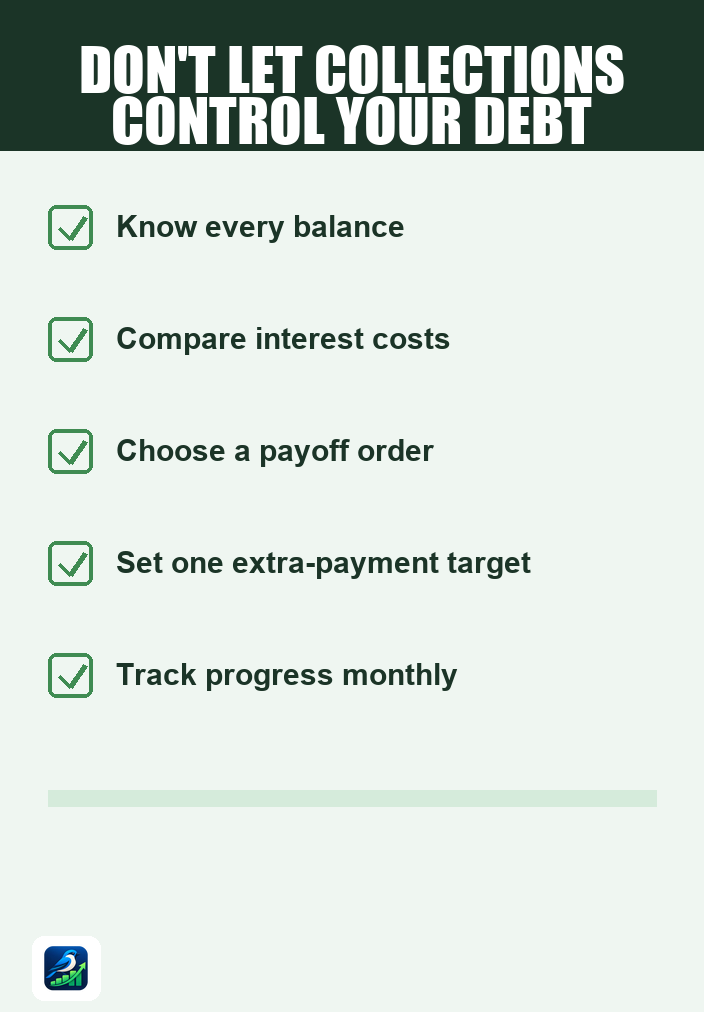
Successfully paying off collections requires organization, communication, and a clear strategy. Here’s a quick checklist of next steps:
- Gather all necessary documentation regarding your debts.
- Assess your overall financial situation and create a budget.
- Choose a payment strategy that fits your financial capacity.
- Communicate openly with creditors or collection agencies.
- Consider seeking professional guidance if needed.
By following these steps, you can take meaningful action toward resolving your collections and improving your financial health.