Understanding Your Debt Collections Landscape
When you find yourself facing collections, it’s easy to feel overwhelmed. Knowing how to approach the situation can make a significant difference in managing your financial recovery. Before diving into action, it’s crucial to ask the right questions. This guide will help you navigate through the process of paying off collections by highlighting key inquiries to make.
Assessing Your Debt Situation
Before addressing your collections accounts, it’s important to gain a clear understanding of your overall debt situation. Start by asking:
- What debts do I owe?
- Which accounts are in collections?
- What is the total amount owed?
List all your debts, detailing the amount owed, who you owe, and the status of each account.
Identify which of your debts have been sent to collections. This will help prioritize which debts to tackle first.
Calculate the total amount you owe across all collections accounts. This will give you a clearer picture of your financial obligations.
Understanding Your Rights and Options
Once you have a grasp of your debt situation, the next step is understanding your rights and potential options. Consider these questions:
- What are my rights as a consumer?
- Have I verified the debt?
- What are my payment options?
Familiarizing yourself with consumer protection laws can empower you. For instance, the Fair Debt Collection Practices Act outlines what collectors can and cannot do.
Request validation from the collector to ensure the debt is yours and that the amount is accurate. This can prevent you from paying a debt you may not owe.
Explore whether you can pay the full amount, settle for less, or set up a payment plan. Each option has pros and cons that should be weighed carefully.
Evaluating Settlement Offers
If you’re considering negotiating a settlement, asking the right questions can help you gauge the viability of the offer:
- What percentage of the debt am I being asked to pay?
- Will the settlement affect my credit report?
- Are there any fees associated with the settlement?
Understand the percentage of your debt that the collector is willing to accept. This will help you evaluate if the offer is reasonable.
While settling a debt can reduce your overall obligations, it may still impact your credit score. Confirm how the settlement will be reported.
Inquire about any potential fees that might be included in the settlement process, as these can add to your financial burden.
Prioritizing Your Payments
Not all debts are created equal. When deciding which collections to tackle first, ask yourself:
- Which debts have the highest interest rates?
- Are there legal implications for any of my debts?
- Which debts impact my credit the most?
Focusing on high-interest debts can save you money in the long run. Prioritize debts that will accumulate the most interest over time.
Some debts may have the potential for lawsuits if unpaid. Prioritize these to avoid legal consequences.
Consider addressing debts that are most detrimental to your credit score first, as improving your credit can open up better financial opportunities.
Considering Alternative Solutions
In some cases, paying off collections may not be the best course of action. It’s important to investigate other options:
- Could debt consolidation be beneficial?
- Would a debt management plan help?
- Is bankruptcy a viable option?
Debt consolidation involves combining multiple debts into one payment, potentially at a lower interest rate. Explore whether this could simplify your financial situation.
Debt management plans involve working with a credit counseling agency to create a structured repayment plan. Evaluate if this could help you stay organized and on track.
In extreme cases, bankruptcy might be considered. This can have long-term effects on your credit but may provide relief from overwhelming debt. Consult a professional if you’re considering this route.
Understanding the Impact of Your Decisions
Every decision you make regarding your collections can have a ripple effect on your financial health. Ask yourself:
- How will this decision affect my credit score?
- What are the potential tax consequences?
- Am I ready to commit to a payment plan?
Understanding the long-term implications of settling or paying off debts can help you make informed choices.
Settled debts may result in taxable income. It’s wise to consult a tax professional to understand how this might affect you.
Ensure that you’re prepared for the financial commitment that comes with a payment plan or settlement agreement.
Next Steps
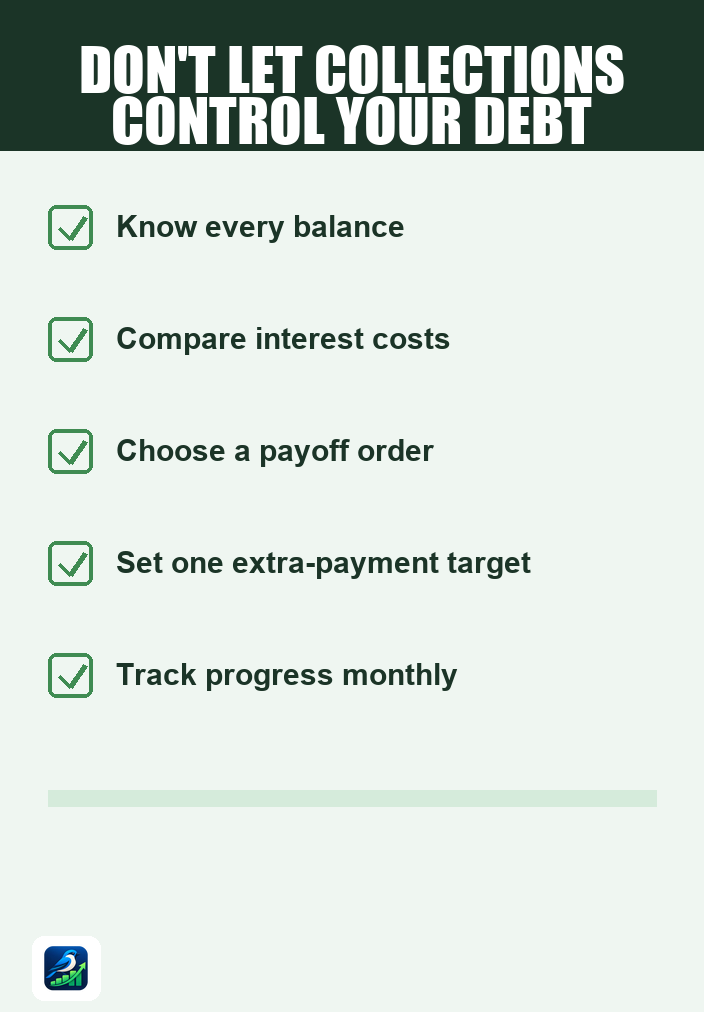
Choosing the right questions when paying off collections is essential to developing an effective strategy. Begin by assessing your overall debt situation, understanding your rights, and evaluating various payment options. Engage in thorough research and consider professional advice when needed, especially for complex situations involving debt consolidation or bankruptcy. Taking these steps can empower you to tackle your debt more effectively and move toward a more secure financial future.